
About This Book
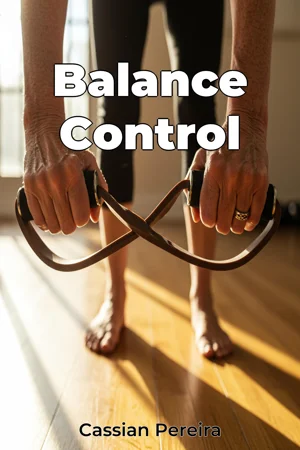
Are you concerned about maintaining your balance and preventing falls as you age? 'Balance Control' offers a comprehensive guide to understanding and addressing the factors that affect balance, coordination, and stability throughout the aging process. This book explores the key elements of balance control, including the sensory systems involved, age-related changes that impact balance, and practical exercise strategies to mitigate fall risk and enhance mobility. The core focus of 'Balance Control' revolves around three central themes: understanding the physiological mechanisms of balance, identifying age-related changes that compromise balance, and implementing effective interventions to improve stability and prevent falls. These topics are critical because falls are a leading cause of injury and disability among older adults, significantly impacting their quality of life and independence. We begin by providing a foundational understanding of the human balance system. This includes detailed explanations of the roles played by the visual, vestibular (inner ear), and proprioceptive (body awareness) systems. Understanding how these systems interact is crucial for grasping how balance is maintained and why it can be disrupted. We then delve into the specific age-related changes that affect each of these systems, such as declines in vision, vestibular function, and muscle strength. The central argument of 'Balance Control' is that while age-related decline in balance is a common concern, proactive measures, particularly targeted exercises, can significantly reduce fall risk and improve overall mobility. This argument is vital because it empowers readers to take control of their health and well-being as they age, rather than passively accepting the limitations often associated with aging. The book is structured to guide the reader through a clear and progressive learning experience. First, the basic principles of balance and the relevant anatomy and physiology are introduced. Next, we explore the specific effects of aging on balance, providing insights into how various conditions and lifestyle factors contribute to instability. Then, the heart of the book is a detailed exploration of various exercises and balance training techniques designed to enhance stability, strength, and coordination. These exercises are explained with clear instructions and illustrations, making them accessible to readers of all fitness levels. Finally, the book culminates in a discussion of fall prevention strategies, including environmental modifications and lifestyle adjustments, emphasizing the importance of a holistic approach to maintaining balance and independence. 'Balance Control' draws upon a wealth of scientific research and clinical studies to support its arguments. We present evidence from peer-reviewed journals, meta-analyses, and expert opinions in the fields of geriatrics, physical therapy, and neuroscience. We also incorporate data from national health surveys and fall prevention programs to illustrate the scope of the problem and the effectiveness of various interventions. The topics covered connect to several other fields, including neurology (understanding neurological conditions that affect balance), ophthalmology (addressing visual impairments that contribute to falls), and biomechanics (analyzing movement patterns to identify and correct balance deficits). These interdisciplinary connections enrich the book's perspective and provide a more complete understanding of the factors that influence balance control. A unique aspect of 'Balance Control' is its emphasis on individualized exercise programs. Rather than offering a one-size-fits-all solution, we provide readers with the tools to assess their own balance capabilities and develop a personalized exercise plan that addresses their specific needs and challenges. 'Balance Control' is written in an accessible and informative style, avoiding technical jargon whenever possible and providing clear explanations of complex concepts. The tone is supportive and encouraging, emphasizing the proactive steps readers can take to maintain their balance and independence. This book is intended for older adults who are concerned about their balance and want to take steps to prevent falls, as well as caregivers, healthcare professionals, and anyone interested in understanding the science of balance and how to maintain it throughout life. Within the genres of Health & Fitness, Medical General, and Health Fitness, the book aligns with the conventions of providing evidence-based information, practical guidance, and actionable strategies for improving health outcomes. The scope of 'Balance Control' is focused specifically on age-related balance changes and fall prevention. While we acknowledge that balance problems can also arise from other causes, such as neurological disorders or injuries, these are not the primary focus of this book. The knowledge and techniques presented in 'Balance Control' have numerous real-world applications. Readers can use the information to assess their own fall risk, implement targeted exercises to improve their balance, modify their home environment to reduce hazards, and advocate for fall prevention programs in their communities. While the benefits of exercise and balance training are well-established, there are ongoing debates about the optimal types and intensity of exercises for fall prevention. 'Balance Control' addresses these discussions by presenting a range of evidence-based options and encouraging readers to work with healthcare professionals to develop a personalized plan that meets their individual needs and preferences.
Are you concerned about maintaining your balance and preventing falls as you age? 'Balance Control' offers a comprehensive guide to understanding and addressing the factors that affect balance, coordination, and stability throughout the aging process. This book explores the key elements of balance control, including the sensory systems involved, age-related changes that impact balance, and practical exercise strategies to mitigate fall risk and enhance mobility. The core focus of 'Balance Control' revolves around three central themes: understanding the physiological mechanisms of balance, identifying age-related changes that compromise balance, and implementing effective interventions to improve stability and prevent falls. These topics are critical because falls are a leading cause of injury and disability among older adults, significantly impacting their quality of life and independence. We begin by providing a foundational understanding of the human balance system. This includes detailed explanations of the roles played by the visual, vestibular (inner ear), and proprioceptive (body awareness) systems. Understanding how these systems interact is crucial for grasping how balance is maintained and why it can be disrupted. We then delve into the specific age-related changes that affect each of these systems, such as declines in vision, vestibular function, and muscle strength. The central argument of 'Balance Control' is that while age-related decline in balance is a common concern, proactive measures, particularly targeted exercises, can significantly reduce fall risk and improve overall mobility. This argument is vital because it empowers readers to take control of their health and well-being as they age, rather than passively accepting the limitations often associated with aging. The book is structured to guide the reader through a clear and progressive learning experience. First, the basic principles of balance and the relevant anatomy and physiology are introduced. Next, we explore the specific effects of aging on balance, providing insights into how various conditions and lifestyle factors contribute to instability. Then, the heart of the book is a detailed exploration of various exercises and balance training techniques designed to enhance stability, strength, and coordination. These exercises are explained with clear instructions and illustrations, making them accessible to readers of all fitness levels. Finally, the book culminates in a discussion of fall prevention strategies, including environmental modifications and lifestyle adjustments, emphasizing the importance of a holistic approach to maintaining balance and independence. 'Balance Control' draws upon a wealth of scientific research and clinical studies to support its arguments. We present evidence from peer-reviewed journals, meta-analyses, and expert opinions in the fields of geriatrics, physical therapy, and neuroscience. We also incorporate data from national health surveys and fall prevention programs to illustrate the scope of the problem and the effectiveness of various interventions. The topics covered connect to several other fields, including neurology (understanding neurological conditions that affect balance), ophthalmology (addressing visual impairments that contribute to falls), and biomechanics (analyzing movement patterns to identify and correct balance deficits). These interdisciplinary connections enrich the book's perspective and provide a more complete understanding of the factors that influence balance control. A unique aspect of 'Balance Control' is its emphasis on individualized exercise programs. Rather than offering a one-size-fits-all solution, we provide readers with the tools to assess their own balance capabilities and develop a personalized exercise plan that addresses their specific needs and challenges. 'Balance Control' is written in an accessible and informative style, avoiding technical jargon whenever possible and providing clear explanations of complex concepts. The tone is supportive and encouraging, emphasizing the proactive steps readers can take to maintain their balance and independence. This book is intended for older adults who are concerned about their balance and want to take steps to prevent falls, as well as caregivers, healthcare professionals, and anyone interested in understanding the science of balance and how to maintain it throughout life. Within the genres of Health & Fitness, Medical General, and Health Fitness, the book aligns with the conventions of providing evidence-based information, practical guidance, and actionable strategies for improving health outcomes. The scope of 'Balance Control' is focused specifically on age-related balance changes and fall prevention. While we acknowledge that balance problems can also arise from other causes, such as neurological disorders or injuries, these are not the primary focus of this book. The knowledge and techniques presented in 'Balance Control' have numerous real-world applications. Readers can use the information to assess their own fall risk, implement targeted exercises to improve their balance, modify their home environment to reduce hazards, and advocate for fall prevention programs in their communities. While the benefits of exercise and balance training are well-established, there are ongoing debates about the optimal types and intensity of exercises for fall prevention. 'Balance Control' addresses these discussions by presenting a range of evidence-based options and encouraging readers to work with healthcare professionals to develop a personalized plan that meets their individual needs and preferences.
"Balance Control" offers a comprehensive guide to understanding and improving balance, coordination, and stability, particularly as they relate to aging. The book emphasizes that while age-related decline is common, proactive measures like targeted exercise strategies can significantly reduce fall risk. It explores the intricate interplay of sensory systems, including the visual, vestibular, and proprioceptive systems, that are vital for maintaining balance. A key insight is the importance of understanding how these systems change with age and how these changes can impact stability. This book uniquely emphasizes personalized exercise programs, empowering readers to assess their balance capabilities and create tailored plans. "Balance Control" progresses logically, starting with the fundamentals of balance and relevant anatomy, then moves to the effects of aging, and culminates in detailed exercises and fall prevention strategies. The approach is accessible, informative, and evidence-based, drawing upon research and clinical studies to support its arguments, thus providing a valuable resource for older adults, caregivers, and healthcare professionals interested in fall prevention and enhanced mobility.
Book Details
ISBN
9788235264527
Publisher
Publifye AS
Your Licenses
You don't own any licenses for this book
Purchase a license below to unlock this book and download the EPUB.
Purchase License
Select a tier to unlock this book
Need bulk licensing?
Contact us for enterprise agreements.