
About This Book
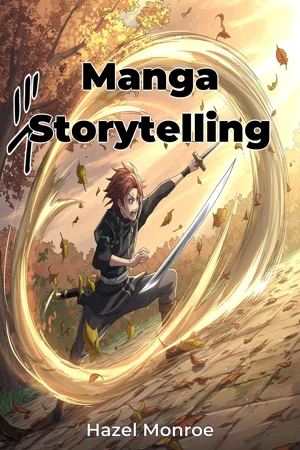
Have you ever wondered what makes manga so visually arresting and narratively compelling? This book, "Manga Storytelling," delves deep into the mechanics of visual narrative in Japanese comics, exploring how specific artistic and structural choices craft engaging stories. We’ll examine the art of panel sequencing, dialogue placement, and the construction of action scenes, revealing how these core elements work together to create manga's distinctive storytelling power. These topics are important because they illuminate the underlying principles that can be applied not only to manga creation but also to understanding visual communication more broadly. Aspiring manga artists, comic creators, and anyone interested in the power of sequential art will find valuable insights here. "Manga Storytelling" argues that effective manga storytelling is the result of a deliberate and artful combination of visual pacing, textual integration, and dynamic action choreography. This synthesis dictates how readers experience and interpret the narrative. This argument is significant because it moves beyond simply appreciating manga's aesthetic qualities and provides a framework for analyzing and understanding its narrative techniques. The book is structured to provide a comprehensive understanding of manga storytelling. First, we lay the groundwork by introducing fundamental concepts of visual communication and manga history, highlighting key stylistic developments and influential creators. The core of the book is divided into three major sections: 1. **Panel Sequencing**: This section analyzes how the arrangement and composition of panels control pacing, create suspense, and guide the reader's eye through the story. We will explore different panel layouts, the use of gutters (the spaces between panels), and techniques for creating visual flow. 2. **Dialogue Placement**: This section focuses on the interplay between words and images. We will examine how speech bubbles are designed and positioned to enhance characterization, convey emotion, and advance the plot. Additionally, we will address the nuances of translating Japanese text into other languages while preserving its original impact. 3. **Action Scenes**: This segment dissects the construction of dynamic action sequences, analyzing techniques for depicting movement, impact, and energy. Considerations involve the use of speed lines, sound effects, and exaggerated poses. The book culminates in a practical guide for applying these techniques in your own work, offering exercises and examples to demonstrate how to create compelling manga stories. "Manga Storytelling" supports its arguments with a wide range of visual examples from both classic and contemporary manga works. We also draw upon existing scholarship in comics studies, visual communication, and narrative theory. The book’s analysis incorporates author interviews and behind-the-scenes glimpses into the manga creation process. This book is enriched by its connections to several other fields. Film studies offer useful concepts for analyzing visual pacing and scene composition. Semiotics provides tools for understanding the meaning of visual symbols and conventions. Japanese cultural studies give context to the social and historical influences that have shaped manga storytelling. What distinguishes "Manga Storytelling" is its focus on the practical application of theoretical concepts. By breaking down complex narrative techniques into understandable components, the book provides readers with a toolkit for analyzing and creating their own manga stories. The overall tone is accessible and engaging, aiming to inform and inspire readers without relying on overly technical or academic jargon. The target audience includes aspiring manga artists, comic creators, students of visual communication, and manga enthusiasts. This book would be valuable to them as it offers a deep dive into the technical aspects of manga storytelling, providing practical guidance and insights that can be applied immediately. As a book about design and art, "Manga Storytelling" places a strong emphasis on visual analysis and clear explanations of artistic techniques. The scope of the book is limited to core narrative elements, specifically panel sequencing, dialogue placement, and action scenes. While we touch upon broader themes of character design and world-building, our main focus remains on the mechanics of visual storytelling. The information presented in this book can be applied practically by readers to improve their own manga creations, analyze existing works, and gain a deeper understanding of the art of visual narrative. While there are ongoing debates about the definition of manga and its relationship to other forms of comics, this book focuses primarily on analyzing established conventions and techniques within the medium.
Have you ever wondered what makes manga so visually arresting and narratively compelling? This book, "Manga Storytelling," delves deep into the mechanics of visual narrative in Japanese comics, exploring how specific artistic and structural choices craft engaging stories. We’ll examine the art of panel sequencing, dialogue placement, and the construction of action scenes, revealing how these core elements work together to create manga's distinctive storytelling power. These topics are important because they illuminate the underlying principles that can be applied not only to manga creation but also to understanding visual communication more broadly. Aspiring manga artists, comic creators, and anyone interested in the power of sequential art will find valuable insights here. "Manga Storytelling" argues that effective manga storytelling is the result of a deliberate and artful combination of visual pacing, textual integration, and dynamic action choreography. This synthesis dictates how readers experience and interpret the narrative. This argument is significant because it moves beyond simply appreciating manga's aesthetic qualities and provides a framework for analyzing and understanding its narrative techniques. The book is structured to provide a comprehensive understanding of manga storytelling. First, we lay the groundwork by introducing fundamental concepts of visual communication and manga history, highlighting key stylistic developments and influential creators. The core of the book is divided into three major sections: 1. **Panel Sequencing**: This section analyzes how the arrangement and composition of panels control pacing, create suspense, and guide the reader's eye through the story. We will explore different panel layouts, the use of gutters (the spaces between panels), and techniques for creating visual flow. 2. **Dialogue Placement**: This section focuses on the interplay between words and images. We will examine how speech bubbles are designed and positioned to enhance characterization, convey emotion, and advance the plot. Additionally, we will address the nuances of translating Japanese text into other languages while preserving its original impact. 3. **Action Scenes**: This segment dissects the construction of dynamic action sequences, analyzing techniques for depicting movement, impact, and energy. Considerations involve the use of speed lines, sound effects, and exaggerated poses. The book culminates in a practical guide for applying these techniques in your own work, offering exercises and examples to demonstrate how to create compelling manga stories. "Manga Storytelling" supports its arguments with a wide range of visual examples from both classic and contemporary manga works. We also draw upon existing scholarship in comics studies, visual communication, and narrative theory. The book’s analysis incorporates author interviews and behind-the-scenes glimpses into the manga creation process. This book is enriched by its connections to several other fields. Film studies offer useful concepts for analyzing visual pacing and scene composition. Semiotics provides tools for understanding the meaning of visual symbols and conventions. Japanese cultural studies give context to the social and historical influences that have shaped manga storytelling. What distinguishes "Manga Storytelling" is its focus on the practical application of theoretical concepts. By breaking down complex narrative techniques into understandable components, the book provides readers with a toolkit for analyzing and creating their own manga stories. The overall tone is accessible and engaging, aiming to inform and inspire readers without relying on overly technical or academic jargon. The target audience includes aspiring manga artists, comic creators, students of visual communication, and manga enthusiasts. This book would be valuable to them as it offers a deep dive into the technical aspects of manga storytelling, providing practical guidance and insights that can be applied immediately. As a book about design and art, "Manga Storytelling" places a strong emphasis on visual analysis and clear explanations of artistic techniques. The scope of the book is limited to core narrative elements, specifically panel sequencing, dialogue placement, and action scenes. While we touch upon broader themes of character design and world-building, our main focus remains on the mechanics of visual storytelling. The information presented in this book can be applied practically by readers to improve their own manga creations, analyze existing works, and gain a deeper understanding of the art of visual narrative. While there are ongoing debates about the definition of manga and its relationship to other forms of comics, this book focuses primarily on analyzing established conventions and techniques within the medium.
"Manga Storytelling" explores the captivating art of visual narrative in Japanese comics, revealing the techniques that make manga so engaging. The book dissects core elements like panel sequencing, dialogue placement, and action scenes to uncover how they contribute to manga's unique storytelling power. Did you know that the strategic arrangement of panels can control pacing and create suspense, guiding the reader's eye through the story? Or that the design and positioning of speech bubbles enhance characterization and convey emotion? This book stands out by focusing on the practical application of theoretical concepts. It breaks down complex narrative techniques into understandable components, providing aspiring manga artists and comic creators with a toolkit for analyzing and creating their own manga stories. The book progresses by first laying a foundation in visual communication and manga history, then delving into panel sequencing, dialogue placement, and action scenes, before concluding with a practical guide for applying these techniques.
Book Details
ISBN
9788235264411
Publisher
Publifye AS
Your Licenses
You don't own any licenses for this book
Purchase a license below to unlock this book and download the EPUB.
Purchase License
Select a tier to unlock this book
Need bulk licensing?
Contact us for enterprise agreements.