
About This Book
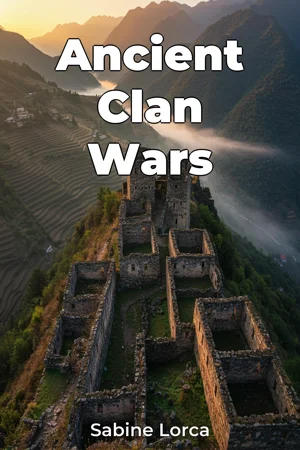
How did ancient conflicts shape the very societies that fought them? "Ancient Clan Wars" delves into the intricate web of territorial disputes, battle strategies, and their profound influence on indigenous groups throughout history. This book explores how warfare served as a catalyst for alliances, migrations, and the formation of social hierarchies, offering a comprehensive analysis of conflict's role in shaping ancient civilizations. These topics are crucially important because understanding ancient warfare provides insights into the development of human societies, illuminating the roots of contemporary social and political structures. This book examines ancient conflicts through multiple lenses, drawing on archaeological findings, anthropological studies, and historical accounts to reconstruct the dynamics of warfare in various indigenous cultures. It explores how limited resources, expansionist ambitions, and cultural differences fueled intergroup conflicts, often resulting in long-lasting societal transformations. This requires an understanding of ancient social structures, resource management techniques, and belief systems. The central argument of "Ancient Clan Wars" is that warfare was not merely a destructive force but a fundamental driver of social, political, and cultural change in ancient indigenous societies. It reshaped territories, forged new alliances, and fundamentally altered social structures, creating complex hierarchies where merit and martial prowess often dictated status. This argument challenges conventional views that often depict ancient warfare as purely chaotic or barbaric, instead highlighting its role in fostering social innovation and adaptation. The book is structured into three major sections. First, it introduces core concepts such as territoriality, alliance formation, and the impact of warfare on social stratification, providing a foundational understanding of the key themes. Second, it examines specific case studies of ancient indigenous groups – including but not limited to those in the Americas, Oceania, and Africa – detailing their unique battle strategies, the causes of their conflicts, and the resulting societal changes. This section will analyze specific battles and campaigns, examining tactical innovations, weaponry, and the impact of these conflicts on civilian populations. Third, the book synthesizes these case studies to highlight broader patterns and implications, demonstrating how warfare influenced migration patterns, technological advancements, and the evolution of social hierarchies across different cultures. The evidence presented is based on a wide range of sources, including archaeological excavations revealing fortifications and weaponry, anthropological studies of social structures and kinship systems, and analyses of oral traditions and early historical accounts that document battles and alliances. The book uniquely integrates these diverse data sources to reconstruct a holistic picture of ancient warfare and its consequences. "Ancient Clan Wars" also connects to other fields, such as anthropology, sociology, and political science, showing how insights from these disciplines can enrich our understanding of ancient conflicts. Furthermore, it also connects to environmental studies, revealing how resource scarcity and climate change often exacerbated territorial disputes. These interdisciplinary connections enhance the book’s argument by providing a broader perspective on the complex factors that shaped ancient warfare. The book adopts a fact-based, analytical tone, presenting information in a clear and accessible manner while maintaining scholarly rigor. It avoids sensationalism and focuses on providing a balanced and nuanced account of ancient warfare. The target audience includes students, academics, and general readers interested in history, military history, and anthropology. The book would be valuable to them because it offers a comprehensive and insightful look into the role of warfare in shaping ancient societies, filling a gap in the existing literature. As a work of military history, "Ancient Clan Wars" adheres to genre conventions by providing detailed accounts of battles, strategies, and weaponry, but it also goes beyond these conventions by exploring the broader social and cultural implications of warfare. While the book aims to provide a broad overview of ancient indigenous conflicts, it acknowledges the limitations of available evidence and the challenges of reconstructing the past with certainty. The insights from "Ancient Clan Wars" can be applied to contemporary issues such as understanding the roots of ethnic conflicts, managing resource scarcity, and promoting peaceful conflict resolution. By studying how ancient societies dealt with conflict, we can gain valuable lessons for addressing the challenges of the modern world. The book addresses ongoing debates about the nature of ancient warfare, such as the degree to which it was driven by material needs versus cultural factors, and the extent to which it contributed to social inequality.
How did ancient conflicts shape the very societies that fought them? "Ancient Clan Wars" delves into the intricate web of territorial disputes, battle strategies, and their profound influence on indigenous groups throughout history. This book explores how warfare served as a catalyst for alliances, migrations, and the formation of social hierarchies, offering a comprehensive analysis of conflict's role in shaping ancient civilizations. These topics are crucially important because understanding ancient warfare provides insights into the development of human societies, illuminating the roots of contemporary social and political structures. This book examines ancient conflicts through multiple lenses, drawing on archaeological findings, anthropological studies, and historical accounts to reconstruct the dynamics of warfare in various indigenous cultures. It explores how limited resources, expansionist ambitions, and cultural differences fueled intergroup conflicts, often resulting in long-lasting societal transformations. This requires an understanding of ancient social structures, resource management techniques, and belief systems. The central argument of "Ancient Clan Wars" is that warfare was not merely a destructive force but a fundamental driver of social, political, and cultural change in ancient indigenous societies. It reshaped territories, forged new alliances, and fundamentally altered social structures, creating complex hierarchies where merit and martial prowess often dictated status. This argument challenges conventional views that often depict ancient warfare as purely chaotic or barbaric, instead highlighting its role in fostering social innovation and adaptation. The book is structured into three major sections. First, it introduces core concepts such as territoriality, alliance formation, and the impact of warfare on social stratification, providing a foundational understanding of the key themes. Second, it examines specific case studies of ancient indigenous groups – including but not limited to those in the Americas, Oceania, and Africa – detailing their unique battle strategies, the causes of their conflicts, and the resulting societal changes. This section will analyze specific battles and campaigns, examining tactical innovations, weaponry, and the impact of these conflicts on civilian populations. Third, the book synthesizes these case studies to highlight broader patterns and implications, demonstrating how warfare influenced migration patterns, technological advancements, and the evolution of social hierarchies across different cultures. The evidence presented is based on a wide range of sources, including archaeological excavations revealing fortifications and weaponry, anthropological studies of social structures and kinship systems, and analyses of oral traditions and early historical accounts that document battles and alliances. The book uniquely integrates these diverse data sources to reconstruct a holistic picture of ancient warfare and its consequences. "Ancient Clan Wars" also connects to other fields, such as anthropology, sociology, and political science, showing how insights from these disciplines can enrich our understanding of ancient conflicts. Furthermore, it also connects to environmental studies, revealing how resource scarcity and climate change often exacerbated territorial disputes. These interdisciplinary connections enhance the book’s argument by providing a broader perspective on the complex factors that shaped ancient warfare. The book adopts a fact-based, analytical tone, presenting information in a clear and accessible manner while maintaining scholarly rigor. It avoids sensationalism and focuses on providing a balanced and nuanced account of ancient warfare. The target audience includes students, academics, and general readers interested in history, military history, and anthropology. The book would be valuable to them because it offers a comprehensive and insightful look into the role of warfare in shaping ancient societies, filling a gap in the existing literature. As a work of military history, "Ancient Clan Wars" adheres to genre conventions by providing detailed accounts of battles, strategies, and weaponry, but it also goes beyond these conventions by exploring the broader social and cultural implications of warfare. While the book aims to provide a broad overview of ancient indigenous conflicts, it acknowledges the limitations of available evidence and the challenges of reconstructing the past with certainty. The insights from "Ancient Clan Wars" can be applied to contemporary issues such as understanding the roots of ethnic conflicts, managing resource scarcity, and promoting peaceful conflict resolution. By studying how ancient societies dealt with conflict, we can gain valuable lessons for addressing the challenges of the modern world. The book addresses ongoing debates about the nature of ancient warfare, such as the degree to which it was driven by material needs versus cultural factors, and the extent to which it contributed to social inequality.
"Ancient Clan Wars" explores how ancient conflicts influenced the development of indigenous societies. It examines the role of warfare in shaping social hierarchies, forging alliances, and driving migrations. The book uniquely integrates archaeological findings, anthropological studies, and historical accounts to provide a holistic view of ancient warfare. For instance, the analysis reveals how resource scarcity often exacerbated territorial disputes, leading to innovations in battle strategies and weaponry. The book argues that warfare was not merely destructive but a fundamental driver of social, political, and cultural change. It reshaped territories and altered social structures, with martial prowess often determining status. Examining case studies from the Americas, Oceania, and Africa, the book details specific battle strategies and their societal impacts. These case studies emphasize how ancient warfare served as a catalyst for significant social change, challenging conventional views that depict it as purely chaotic. Structured in three parts, the book first introduces core concepts like territoriality and social stratification. It then delves into specific case studies, analyzing unique battle strategies and their consequences. Finally, it synthesizes these studies to highlight broader patterns, demonstrating how warfare influenced migration, technology, and social hierarchies across diverse cultures. This approach provides a comprehensive understanding of the role of "ancient clan wars" in shaping the ancient world.
Book Details
ISBN
9788235264299
Publisher
Publifye AS
Your Licenses
You don't own any licenses for this book
Purchase a license below to unlock this book and download the EPUB.
Purchase License
Select a tier to unlock this book
Need bulk licensing?
Contact us for enterprise agreements.