
About This Book
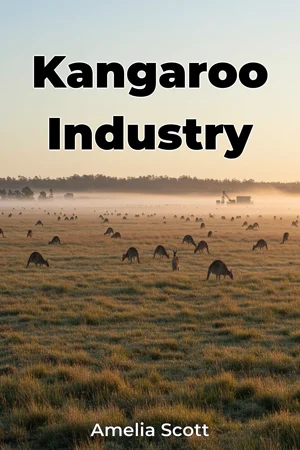
Is Australia’s iconic kangaroo merely a symbol of national identity, or also a resource to be managed and utilized? This book, "Kangaroo Industry," delves into the complex and often contentious world surrounding the economic and environmental impacts of Australia's kangaroo industry. Examining the interplay between meat trade, conservation policies, and ethical debates, it offers a comprehensive analysis of the challenges and opportunities inherent in the commercial use of this native species. The book centers on three primary areas of investigation. First, it analyzes the economic dimensions of the kangaroo industry, including the harvesting, processing, and sale of kangaroo meat and skins, both domestically and internationally. Second, it examines the ecological consequences of kangaroo harvesting, assessing its impact on kangaroo populations, biodiversity, and ecosystem health. Third, it addresses the ethical considerations surrounding the commercial killing of kangaroos, weighing animal welfare concerns against the perceived benefits of population control and economic gain. These topics are of vital importance due to increasing international scrutiny of wildlife management practices and the growing demand for sustainable and ethical food sources. To provide context, the book traces the history of kangaroo management in Australia, from early attempts at eradication to the development of contemporary regulated harvesting programs. It explores the ecological role of kangaroos in the Australian landscape, highlighting their interactions with other species and their impact on vegetation. The book further outlines the legislative and regulatory frameworks governing kangaroo harvesting, emphasizing the roles of both state and federal governments. The central argument posits that a truly sustainable and ethical kangaroo industry requires a holistic approach that integrates ecological science, economic realities, and ethical considerations. It challenges the often polarized viewpoints surrounding kangaroo management, advocating for evidence-based policies and practices that promote both conservation and responsible utilization. The book begins by introducing the concept of sustainable harvesting and its application to wildlife management, specifically in the context of kangaroos. It then dedicates individual chapters to each of the core areas. One section analyzes the economic viability of the kangaroo industry and its contribution to rural economies. Another examines the ecological sustainability of current harvesting practices, using population data and ecological modeling. A third delves into the ethical dimensions, drawing on philosophical perspectives and animal welfare science. These perspectives culminate in a proposed framework for a more integrated and responsible kangaroo management system, addressing current shortcomings and offering practical recommendations for policy makers, industry stakeholders, and conservation groups. The conclusions drawn are supported by a variety of evidence, including government statistics on kangaroo populations and harvests, scientific research on kangaroo ecology and behavior, economic analyses of the kangaroo meat market, and surveys of public attitudes toward kangaroo management. The book also draws on interviews with industry participants, conservationists, and government officials to provide a nuanced and balanced perspective. The study connects to the fields of ecology, economics, and ethics, providing a truly interdisciplinary perspective. It further relates to fields such as agricultural science, conservation biology, and environmental law, enriching the analysis and broadening its relevance. Unique to this book is its integrated assessment of the economic, environmental, and ethical dimensions of the kangaroo industry. Rather than focusing solely on conservation or economic benefits, it provides a comprehensive framework for evaluating the trade-offs and synergies involved in the commercial utilization of wildlife. The tone is academic yet accessible, aiming to inform and engage a broad readership. Complex scientific and economic concepts are explained clearly and concisely, with real-world examples and case studies to illustrate key points. The target audience includes environmental scientists, economists, policymakers, conservationists, animal welfare advocates, and anyone interested in sustainable resource management. The book is valuable to these groups because it provides a comprehensive and balanced analysis of a complex issue, offering insights and recommendations for improving kangaroo management practices. As a work of non-fiction exploring economics and the environment, it offers rigorous analysis of quantitative data, and presents clear, objective evaluation of conflicting viewpoints, adhering to high standards of accuracy and transparency. The scope is limited to the kangaroo industry in Australia, focusing primarily on the four most commercially harvested species: the Red Kangaroo, Eastern Grey Kangaroo, Western Grey Kangaroo, and Common Wallaroo. While acknowledging the global context of wildlife trade and conservation, the book deliberately avoids generalized discussions of these issues, focusing instead on the specific challenges and opportunities presented by the Australian kangaroo industry. The information presented has many real-world applications. It can inform the development of evidence-based policies for kangaroo management, guide industry stakeholders in adopting more sustainable and ethical practices, and educate consumers about the environmental and ethical implications of their purchasing decisions. The book directly addresses the ongoing debates surrounding kangaroo harvesting, including concerns about the accuracy of population estimates, the humaneness of culling methods, and the impact of harvesting on kangaroo behavior and social structures. By presenting a balanced and evidence-based analysis of these issues, it aims to contribute to a more informed and productive dialogue.
Is Australia’s iconic kangaroo merely a symbol of national identity, or also a resource to be managed and utilized? This book, "Kangaroo Industry," delves into the complex and often contentious world surrounding the economic and environmental impacts of Australia's kangaroo industry. Examining the interplay between meat trade, conservation policies, and ethical debates, it offers a comprehensive analysis of the challenges and opportunities inherent in the commercial use of this native species. The book centers on three primary areas of investigation. First, it analyzes the economic dimensions of the kangaroo industry, including the harvesting, processing, and sale of kangaroo meat and skins, both domestically and internationally. Second, it examines the ecological consequences of kangaroo harvesting, assessing its impact on kangaroo populations, biodiversity, and ecosystem health. Third, it addresses the ethical considerations surrounding the commercial killing of kangaroos, weighing animal welfare concerns against the perceived benefits of population control and economic gain. These topics are of vital importance due to increasing international scrutiny of wildlife management practices and the growing demand for sustainable and ethical food sources. To provide context, the book traces the history of kangaroo management in Australia, from early attempts at eradication to the development of contemporary regulated harvesting programs. It explores the ecological role of kangaroos in the Australian landscape, highlighting their interactions with other species and their impact on vegetation. The book further outlines the legislative and regulatory frameworks governing kangaroo harvesting, emphasizing the roles of both state and federal governments. The central argument posits that a truly sustainable and ethical kangaroo industry requires a holistic approach that integrates ecological science, economic realities, and ethical considerations. It challenges the often polarized viewpoints surrounding kangaroo management, advocating for evidence-based policies and practices that promote both conservation and responsible utilization. The book begins by introducing the concept of sustainable harvesting and its application to wildlife management, specifically in the context of kangaroos. It then dedicates individual chapters to each of the core areas. One section analyzes the economic viability of the kangaroo industry and its contribution to rural economies. Another examines the ecological sustainability of current harvesting practices, using population data and ecological modeling. A third delves into the ethical dimensions, drawing on philosophical perspectives and animal welfare science. These perspectives culminate in a proposed framework for a more integrated and responsible kangaroo management system, addressing current shortcomings and offering practical recommendations for policy makers, industry stakeholders, and conservation groups. The conclusions drawn are supported by a variety of evidence, including government statistics on kangaroo populations and harvests, scientific research on kangaroo ecology and behavior, economic analyses of the kangaroo meat market, and surveys of public attitudes toward kangaroo management. The book also draws on interviews with industry participants, conservationists, and government officials to provide a nuanced and balanced perspective. The study connects to the fields of ecology, economics, and ethics, providing a truly interdisciplinary perspective. It further relates to fields such as agricultural science, conservation biology, and environmental law, enriching the analysis and broadening its relevance. Unique to this book is its integrated assessment of the economic, environmental, and ethical dimensions of the kangaroo industry. Rather than focusing solely on conservation or economic benefits, it provides a comprehensive framework for evaluating the trade-offs and synergies involved in the commercial utilization of wildlife. The tone is academic yet accessible, aiming to inform and engage a broad readership. Complex scientific and economic concepts are explained clearly and concisely, with real-world examples and case studies to illustrate key points. The target audience includes environmental scientists, economists, policymakers, conservationists, animal welfare advocates, and anyone interested in sustainable resource management. The book is valuable to these groups because it provides a comprehensive and balanced analysis of a complex issue, offering insights and recommendations for improving kangaroo management practices. As a work of non-fiction exploring economics and the environment, it offers rigorous analysis of quantitative data, and presents clear, objective evaluation of conflicting viewpoints, adhering to high standards of accuracy and transparency. The scope is limited to the kangaroo industry in Australia, focusing primarily on the four most commercially harvested species: the Red Kangaroo, Eastern Grey Kangaroo, Western Grey Kangaroo, and Common Wallaroo. While acknowledging the global context of wildlife trade and conservation, the book deliberately avoids generalized discussions of these issues, focusing instead on the specific challenges and opportunities presented by the Australian kangaroo industry. The information presented has many real-world applications. It can inform the development of evidence-based policies for kangaroo management, guide industry stakeholders in adopting more sustainable and ethical practices, and educate consumers about the environmental and ethical implications of their purchasing decisions. The book directly addresses the ongoing debates surrounding kangaroo harvesting, including concerns about the accuracy of population estimates, the humaneness of culling methods, and the impact of harvesting on kangaroo behavior and social structures. By presenting a balanced and evidence-based analysis of these issues, it aims to contribute to a more informed and productive dialogue.
"Kangaroo Industry" explores the multifaceted world surrounding Australia's kangaroo industry, examining the intersection of economic dimensions, ecological impact, and ethical debates. It delves into whether kangaroos are merely national symbols or a resource for sustainable harvesting. The book uniquely integrates ecological science, economic realities, and ethical considerations, challenging polarized viewpoints and advocating for evidence-based policies. For example, the book addresses concerns from animal welfare advocates who question the humaneness of culling methods, while simultaneously analyzing the economic viability of kangaroo meat production for rural communities. The book traces the history of kangaroo management, from early eradication attempts to modern regulated harvesting programs. It analyzes the economic contribution of the industry, assesses the ecological sustainability of current practices using population data, and delves into ethical dimensions using philosophical perspectives. Progressing from an introduction to sustainable harvesting, the book dedicates sections to economic viability, ecological sustainability, and ethical dimensions, culminating in a framework for responsible kangaroo management. The goal is to offer practical recommendations for policymakers, industry stakeholders, and conservation groups.
Book Details
ISBN
9788235264251
Publisher
Publifye AS
Your Licenses
You don't own any licenses for this book
Purchase a license below to unlock this book and download the EPUB.
Purchase License
Select a tier to unlock this book
Need bulk licensing?
Contact us for enterprise agreements.