
About This Book
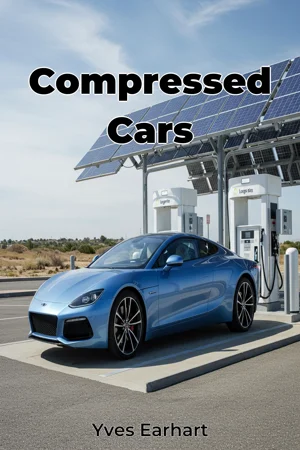
What if we could drastically reduce our reliance on fossil fuels and move towards a cleaner, more sustainable transportation system without completely reinventing the wheel? "Compressed Cars" introduces a compelling alternative: vehicles powered by compressed air. This book explores the technology, potential, and challenges of air-powered vehicles as a viable solution to the pressing environmental and economic concerns surrounding traditional combustion engines. The book's core focus lies in three crucial areas: the engineering principles that make air-powered vehicles function, the environmental impact of their adoption, and the economic factors influencing their feasibility and market penetration. These areas are critical because they collectively determine whether air-powered vehicles can realistically transition from concept to common practice, offering a sustainable pathway for the future of transport. We begin by establishing a historical context. The concept of compressed air engines is not new, tracing back to the 19th century. However, technological limitations and the dominance of petroleum-based fuels hindered its widespread development. We examine the scientific principles underlying compressed air technology, explaining thermodynamics, energy transfer, and the mechanics of air compression and expansion. Basic knowledge of physics and mechanical engineering will aid the reader, although the book remains accessible to a broad audience through clear explanations and diagrams. Our central argument is that air-compressed vehicles, while facing specific hurdles, represent a notable opportunity to reduce carbon emissions and promote energy independence. We contend that continuous advancements in materials science, energy storage, and control systems are making air-powered vehicles increasingly efficient and practical. "Compressed Cars" is structured to provide a comprehensive understanding of the field. First, we introduce the fundamental principles of air compression technology and vehicle design. Second, we delve into the environmental benefits, comparing the life cycle emissions of air-powered vehicles with those of gasoline, diesel, and electric vehicles. We explore the sourcing of energy for air compression, emphasizing renewable sources. Third, we analyze the economic aspects, including manufacturing costs, infrastructure requirements (such as compressed air filling stations), and potential government incentives. The book culminates in a discussion of real-world applications, analyzing current developments and exploring future possibilities for air-powered vehicles in urban transport, public transit, and niche applications. The evidence presented is drawn from a variety of sources, including engineering studies, environmental impact assessments, and economic models. We utilize data from prototype testing, academic research, and industry reports to support our analysis. We also present case studies of companies and research institutions actively working on air-powered vehicle technology, providing real-world examples of innovation and progress. This book also identifies connections between air-powered vehicle technology and other fields. First is materials science, which is crucial for developing lightweight, high-strength components for air tanks and engine parts. Second is renewable energy, as the sustainability of air-powered vehicles depends on using renewable sources to compress the air. Third is urban planning, as the adoption of air-powered vehicles could significantly impact urban air quality and transportation infrastructure. “Compressed Cars” offers a balanced, fact-based assessment of air-compressed vehicles, refraining from hyperbole and focusing on verifiable data and logical analysis. The tone is informative and accessible, designed to engage both specialists and general readers interested in sustainable transportation solutions. The target audience includes engineers, environmental scientists, policymakers, investors, and anyone seeking a comprehensive understanding of alternative vehicle technologies. This book serves as a valuable resource for understanding the potential and limitations of air-powered vehicles and their role in a sustainable future. As a work of non-fiction, "Compressed Cars" adheres to principles of accuracy, objectivity, and thorough research. It addresses potential counterarguments and presents competing viewpoints fairly, ensuring a balanced and credible analysis. While the book provides a comprehensive overview of air-powered vehicle technology, its scope is intentionally limited to on-road vehicles. It does not delve into other applications of compressed air technology, such as industrial tools or pneumatic systems. The information presented in this book can be applied in several practical ways. Engineers can use it to inform the design and development of new air-powered vehicle technologies. Policymakers can use it to assess the potential benefits and costs of supporting the adoption of air-powered vehicles. Investors can use it to evaluate the market opportunities in this emerging sector. The book addresses ongoing debates surrounding the efficiency and practicality of air-powered vehicles. We examine arguments related to energy losses during air compression, limitations in vehicle range, and the availability of suitable infrastructure, providing fact-based responses and highlighting areas for further research and development.
What if we could drastically reduce our reliance on fossil fuels and move towards a cleaner, more sustainable transportation system without completely reinventing the wheel? "Compressed Cars" introduces a compelling alternative: vehicles powered by compressed air. This book explores the technology, potential, and challenges of air-powered vehicles as a viable solution to the pressing environmental and economic concerns surrounding traditional combustion engines. The book's core focus lies in three crucial areas: the engineering principles that make air-powered vehicles function, the environmental impact of their adoption, and the economic factors influencing their feasibility and market penetration. These areas are critical because they collectively determine whether air-powered vehicles can realistically transition from concept to common practice, offering a sustainable pathway for the future of transport. We begin by establishing a historical context. The concept of compressed air engines is not new, tracing back to the 19th century. However, technological limitations and the dominance of petroleum-based fuels hindered its widespread development. We examine the scientific principles underlying compressed air technology, explaining thermodynamics, energy transfer, and the mechanics of air compression and expansion. Basic knowledge of physics and mechanical engineering will aid the reader, although the book remains accessible to a broad audience through clear explanations and diagrams. Our central argument is that air-compressed vehicles, while facing specific hurdles, represent a notable opportunity to reduce carbon emissions and promote energy independence. We contend that continuous advancements in materials science, energy storage, and control systems are making air-powered vehicles increasingly efficient and practical. "Compressed Cars" is structured to provide a comprehensive understanding of the field. First, we introduce the fundamental principles of air compression technology and vehicle design. Second, we delve into the environmental benefits, comparing the life cycle emissions of air-powered vehicles with those of gasoline, diesel, and electric vehicles. We explore the sourcing of energy for air compression, emphasizing renewable sources. Third, we analyze the economic aspects, including manufacturing costs, infrastructure requirements (such as compressed air filling stations), and potential government incentives. The book culminates in a discussion of real-world applications, analyzing current developments and exploring future possibilities for air-powered vehicles in urban transport, public transit, and niche applications. The evidence presented is drawn from a variety of sources, including engineering studies, environmental impact assessments, and economic models. We utilize data from prototype testing, academic research, and industry reports to support our analysis. We also present case studies of companies and research institutions actively working on air-powered vehicle technology, providing real-world examples of innovation and progress. This book also identifies connections between air-powered vehicle technology and other fields. First is materials science, which is crucial for developing lightweight, high-strength components for air tanks and engine parts. Second is renewable energy, as the sustainability of air-powered vehicles depends on using renewable sources to compress the air. Third is urban planning, as the adoption of air-powered vehicles could significantly impact urban air quality and transportation infrastructure. “Compressed Cars” offers a balanced, fact-based assessment of air-compressed vehicles, refraining from hyperbole and focusing on verifiable data and logical analysis. The tone is informative and accessible, designed to engage both specialists and general readers interested in sustainable transportation solutions. The target audience includes engineers, environmental scientists, policymakers, investors, and anyone seeking a comprehensive understanding of alternative vehicle technologies. This book serves as a valuable resource for understanding the potential and limitations of air-powered vehicles and their role in a sustainable future. As a work of non-fiction, "Compressed Cars" adheres to principles of accuracy, objectivity, and thorough research. It addresses potential counterarguments and presents competing viewpoints fairly, ensuring a balanced and credible analysis. While the book provides a comprehensive overview of air-powered vehicle technology, its scope is intentionally limited to on-road vehicles. It does not delve into other applications of compressed air technology, such as industrial tools or pneumatic systems. The information presented in this book can be applied in several practical ways. Engineers can use it to inform the design and development of new air-powered vehicle technologies. Policymakers can use it to assess the potential benefits and costs of supporting the adoption of air-powered vehicles. Investors can use it to evaluate the market opportunities in this emerging sector. The book addresses ongoing debates surrounding the efficiency and practicality of air-powered vehicles. We examine arguments related to energy losses during air compression, limitations in vehicle range, and the availability of suitable infrastructure, providing fact-based responses and highlighting areas for further research and development.
"Compressed Cars" delves into the innovative concept of air-powered vehicles as a promising avenue for sustainable transportation. This book explores how these vehicles, driven by compressed air engines, could significantly reduce our reliance on fossil fuels. The book highlights intriguing facts such as the historical roots of compressed air technology dating back to the 19th century, and how modern advancements in materials science are making air-powered vehicles increasingly efficient. The book takes a comprehensive approach, beginning with the fundamental engineering principles and progressing to the environmental benefits and economic factors. It analyzes the life cycle emissions compared to traditional vehicles and emphasizes the importance of renewable energy sources for air compression. Furthermore, the book addresses practical aspects such as manufacturing costs and infrastructure needs, culminating in real-world applications and future possibilities for air-powered vehicles in urban environments.
Book Details
ISBN
9788235264107
Publisher
Publifye AS
Your Licenses
You don't own any licenses for this book
Purchase a license below to unlock this book and download the EPUB.
Purchase License
Select a tier to unlock this book
Need bulk licensing?
Contact us for enterprise agreements.