
About This Book
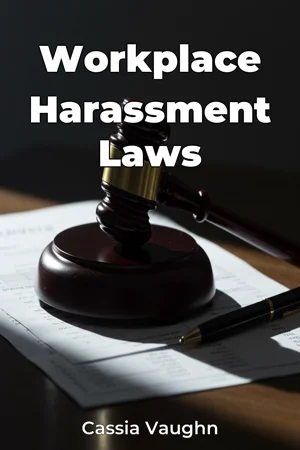
Can a company truly cultivate a respectful workplace culture while navigating the ever-evolving landscape of harassment and discrimination laws? 'Workplace Harassment Laws' tackles this critical intersection, providing a comprehensive legal and practical guide for employers, HR professionals, and employees committed to fostering fair and equitable work environments. This book delves into the complex legal definitions, employer obligations, and real-world cases surrounding workplace harassment and discrimination, ultimately arguing that a proactive and informed approach is not just legally compliant but essential for organizational success. This book addresses three key topics: understanding legal definitions, clarifying employer duties, and analyzing practical applications through case studies. The importance lies in mitigating legal risks, promoting ethical conduct, and improving employee morale and productivity. Failure to address these issues can result in costly litigation, reputational damage, and a toxic work environment. The book begins by establishing a foundational understanding of relevant legislation, including Title VII of the Civil Rights Act, the Americans with Disabilities Act (ADA), and the Age Discrimination in Employment Act (ADEA). It provides historical context on the evolution of these laws and their impact on workplace dynamics. Readers will gain a clear understanding of protected classes, various forms of harassment (including sexual harassment, racial harassment, and hostile work environment), and the nuances of discrimination based on factors like religion, national origin, and disability. The core of the book is structured around a detailed examination of employer obligations and responsibilities. This section explores the critical steps employers must take to prevent and address harassment and discrimination, including developing and implementing effective anti-harassment policies, providing comprehensive training programs, establishing clear reporting procedures, conducting thorough investigations, and taking appropriate corrective action. 'Workplace Harassment Laws' presents real-world case studies to illustrate the application of legal principles in diverse workplace scenarios. These cases provide valuable insights into how courts interpret and apply anti-discrimination laws, highlighting both employer successes and failures. Analysis of these cases demonstrates the practical implications of employer actions, underscoring the importance of proactive compliance measures. The book draws on legal precedents, scholarly research in human resources and organizational behavior, and statistical data from the Equal Employment Opportunity Commission (EEOC). It features examples of effective and ineffective workplace policies and procedures, alongside practical guidance applicable to different industries and organizational sizes. Interdisciplinary connections are made with fields such as organizational psychology, conflict resolution, and business ethics. Organizational psychology provides insights into the psychological impact of harassment and discrimination on employees. Conflict resolution strategies offer methods for addressing workplace disputes effectively. Business ethics emphasizes the moral imperative of creating fair and respectful working conditions. The unique approach of 'Workplace Harassment Laws' lies in its combination of legal analysis and practical guidance. While many books focus solely on legal aspects, this book emphasizes the practical steps employers can take to foster positive workplace environments and mitigate legal risks. The tone is informative and authoritative, providing a clear and accessible explanation of complex legal concepts. The writing style is geared towards a professional audience, avoiding jargon where possible and providing clear definitions for technical terms. The target audience includes HR professionals, business managers, legal professionals specializing in employment law, and business students. This book is valuable because it offers practical guidance on navigating complex legal requirements and fostering positive workplace environments. As a work in the 'Politics, Business Management, Management' genres, this book incorporates elements of legal analysis, case studies, and practical management strategies. It aligns with conventions of non-fiction by providing accurate and well-researched information, supported by credible sources. The scope is broad, covering a wide range of harassment and discrimination issues. However, it is limited to U.S. federal law, and does not delve into the specific laws of individual states. Readers will learn how to develop and implement effective anti-harassment policies, conduct thorough investigations, and respond appropriately to complaints of harassment or discrimination. This information can be applied directly to improve workplace culture, reduce legal risks, and promote employee well-being. The book addresses ongoing debates in the field, such as the effectiveness of different types of anti-harassment training and the role of technology in preventing and addressing workplace harassment. It offers insights into these controversies and suggests strategies for navigating them effectively.
Can a company truly cultivate a respectful workplace culture while navigating the ever-evolving landscape of harassment and discrimination laws? 'Workplace Harassment Laws' tackles this critical intersection, providing a comprehensive legal and practical guide for employers, HR professionals, and employees committed to fostering fair and equitable work environments. This book delves into the complex legal definitions, employer obligations, and real-world cases surrounding workplace harassment and discrimination, ultimately arguing that a proactive and informed approach is not just legally compliant but essential for organizational success. This book addresses three key topics: understanding legal definitions, clarifying employer duties, and analyzing practical applications through case studies. The importance lies in mitigating legal risks, promoting ethical conduct, and improving employee morale and productivity. Failure to address these issues can result in costly litigation, reputational damage, and a toxic work environment. The book begins by establishing a foundational understanding of relevant legislation, including Title VII of the Civil Rights Act, the Americans with Disabilities Act (ADA), and the Age Discrimination in Employment Act (ADEA). It provides historical context on the evolution of these laws and their impact on workplace dynamics. Readers will gain a clear understanding of protected classes, various forms of harassment (including sexual harassment, racial harassment, and hostile work environment), and the nuances of discrimination based on factors like religion, national origin, and disability. The core of the book is structured around a detailed examination of employer obligations and responsibilities. This section explores the critical steps employers must take to prevent and address harassment and discrimination, including developing and implementing effective anti-harassment policies, providing comprehensive training programs, establishing clear reporting procedures, conducting thorough investigations, and taking appropriate corrective action. 'Workplace Harassment Laws' presents real-world case studies to illustrate the application of legal principles in diverse workplace scenarios. These cases provide valuable insights into how courts interpret and apply anti-discrimination laws, highlighting both employer successes and failures. Analysis of these cases demonstrates the practical implications of employer actions, underscoring the importance of proactive compliance measures. The book draws on legal precedents, scholarly research in human resources and organizational behavior, and statistical data from the Equal Employment Opportunity Commission (EEOC). It features examples of effective and ineffective workplace policies and procedures, alongside practical guidance applicable to different industries and organizational sizes. Interdisciplinary connections are made with fields such as organizational psychology, conflict resolution, and business ethics. Organizational psychology provides insights into the psychological impact of harassment and discrimination on employees. Conflict resolution strategies offer methods for addressing workplace disputes effectively. Business ethics emphasizes the moral imperative of creating fair and respectful working conditions. The unique approach of 'Workplace Harassment Laws' lies in its combination of legal analysis and practical guidance. While many books focus solely on legal aspects, this book emphasizes the practical steps employers can take to foster positive workplace environments and mitigate legal risks. The tone is informative and authoritative, providing a clear and accessible explanation of complex legal concepts. The writing style is geared towards a professional audience, avoiding jargon where possible and providing clear definitions for technical terms. The target audience includes HR professionals, business managers, legal professionals specializing in employment law, and business students. This book is valuable because it offers practical guidance on navigating complex legal requirements and fostering positive workplace environments. As a work in the 'Politics, Business Management, Management' genres, this book incorporates elements of legal analysis, case studies, and practical management strategies. It aligns with conventions of non-fiction by providing accurate and well-researched information, supported by credible sources. The scope is broad, covering a wide range of harassment and discrimination issues. However, it is limited to U.S. federal law, and does not delve into the specific laws of individual states. Readers will learn how to develop and implement effective anti-harassment policies, conduct thorough investigations, and respond appropriately to complaints of harassment or discrimination. This information can be applied directly to improve workplace culture, reduce legal risks, and promote employee well-being. The book addresses ongoing debates in the field, such as the effectiveness of different types of anti-harassment training and the role of technology in preventing and addressing workplace harassment. It offers insights into these controversies and suggests strategies for navigating them effectively.
"Workplace Harassment Laws" offers a comprehensive guide through the intricate world of employment law, targeting HR professionals and business managers seeking to cultivate respectful and legally compliant workplaces. It emphasizes understanding anti-harassment policies and employer obligations to mitigate legal risks. One intriguing fact highlighted is the financial impact of harassment lawsuits, which can severely damage a company's bottom line and reputation. The book uniquely blends legal analysis with practical strategies applicable across diverse industries. The book begins by laying a foundation of relevant legislation like Title VII, ADA, and ADEA, and then progresses into crucial employer duties such as implementing effective reporting procedures and conducting thorough investigations. Real-world case studies are included to provide insight into court interpretations of anti-discrimination laws, thereby emphasizing proactive compliance measures. Readers will learn how a proactive approach not only ensures legal compliance but also improves employee morale and productivity, contributing to overall organizational success.
Book Details
ISBN
9788235263438
Publisher
Publifye AS
Your Licenses
You don't own any licenses for this book
Purchase a license below to unlock this book and download the EPUB.
Purchase License
Select a tier to unlock this book
Need bulk licensing?
Contact us for enterprise agreements.