
About This Book
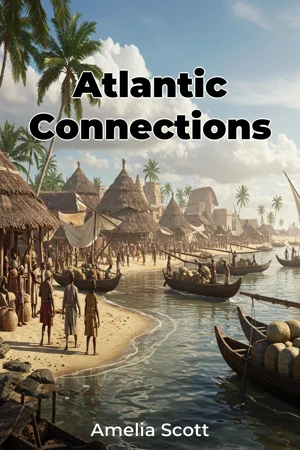
How did the Atlantic Ocean, a vast maritime expanse, shape the destinies of African societies and their interactions with the wider world? "Atlantic Connections" explores the pivotal role of Africa's Atlantic coast in the evolution of global trade networks, delving into how ports, commerce, and cultural exchanges profoundly influenced economies and societies from the 15th to the 19th centuries. This book is important because understanding these historical dynamics provides critical insights into contemporary global economic inequalities and the enduring legacies of colonialism. This study examines three key interrelated themes: the development and operation of Atlantic ports as crucial nodes in global trade; the complex systems of commerce, including the trade in enslaved people, raw materials, and manufactured goods; and the profound cultural exchanges that resulted from these interactions, influencing social structures, belief systems, and artistic expression on both sides of the Atlantic. These themes are essential to understanding the full impact of the Atlantic trade on African societies. "Atlantic Connections" argues that the Atlantic coast of Africa was not merely a passive recipient of global forces, but an active participant in shaping the Atlantic world. African societies strategically engaged with European traders, adapting and innovating in response to new economic opportunities and challenges. This active role is a critical counterpoint to narratives that solely focus on the victimization of Africa during this period. The book is structured to provide a comprehensive understanding of this dynamic relationship. First, it introduces the pre-existing trade networks and social structures along the Atlantic coast before European contact. Second, it analyzes the establishment and growth of key ports such as Luanda, Elmina, and Gorée, detailing their economic functions and social impact. Third, the book explores the commodity flows, focusing on the transatlantic slave trade's devastating consequences and the trade in other goods like gold, ivory, and textiles. It concludes by examining the cultural and social transformations that occurred as a result of these interactions, including the spread of religious ideas, artistic influences, and the emergence of new social identities. The analysis is supported by a diverse range of historical sources, including archival trade records, travelers' accounts, missionary reports, and oral histories. "Atlantic Connections" also utilizes quantitative data on trade volumes and demographic changes to provide a nuanced understanding of the economic and social impact of the Atlantic trade. This exploration connects to several other fields, including economics, anthropology, and postcolonial studies. By analyzing the economic structures of the Atlantic trade, the book contributes to debates about global inequality. By examining the cultural exchanges, it informs discussions about hybridity and identity formation. Its engagement with postcolonial theory allows for a critical examination of power dynamics and the legacies of colonialism. "Atlantic Connections" adopts a balanced and nuanced approach, acknowledging both the opportunities and the devastating consequences of the Atlantic trade for African societies. It seeks to move beyond simplistic narratives of victimhood or exploitation to provide a more complex and historically grounded understanding of this critical period. This book is aimed at students and scholars of economics, world history, and African studies, as well as general readers interested in understanding the historical roots of globalization and its impact on Africa. It offers a fresh perspective on the Atlantic trade, highlighting the agency and resilience of African societies in the face of profound challenges. In line with conventions of historical non-fiction, the book emphasizes empirical evidence and rigorous analysis, while also striving for clarity and accessibility in its writing style. The scope of "Atlantic Connections" is limited to the Atlantic coast of Africa, focusing on the period from the 15th to the 19th centuries. While it acknowledges the connections to other regions and historical periods, its primary focus is on the specific dynamics of this region during this era. Understanding the historical dynamics explored in "Atlantic Connections" has practical applications for contemporary debates about trade, development, and cultural exchange. It provides valuable lessons about the importance of understanding historical context and the complex interplay of economic, social, and cultural forces. The book also addresses ongoing debates about the long-term impact of the slave trade on African development, contributing to discussions about reparations and the legacies of colonialism.
How did the Atlantic Ocean, a vast maritime expanse, shape the destinies of African societies and their interactions with the wider world? "Atlantic Connections" explores the pivotal role of Africa's Atlantic coast in the evolution of global trade networks, delving into how ports, commerce, and cultural exchanges profoundly influenced economies and societies from the 15th to the 19th centuries. This book is important because understanding these historical dynamics provides critical insights into contemporary global economic inequalities and the enduring legacies of colonialism. This study examines three key interrelated themes: the development and operation of Atlantic ports as crucial nodes in global trade; the complex systems of commerce, including the trade in enslaved people, raw materials, and manufactured goods; and the profound cultural exchanges that resulted from these interactions, influencing social structures, belief systems, and artistic expression on both sides of the Atlantic. These themes are essential to understanding the full impact of the Atlantic trade on African societies. "Atlantic Connections" argues that the Atlantic coast of Africa was not merely a passive recipient of global forces, but an active participant in shaping the Atlantic world. African societies strategically engaged with European traders, adapting and innovating in response to new economic opportunities and challenges. This active role is a critical counterpoint to narratives that solely focus on the victimization of Africa during this period. The book is structured to provide a comprehensive understanding of this dynamic relationship. First, it introduces the pre-existing trade networks and social structures along the Atlantic coast before European contact. Second, it analyzes the establishment and growth of key ports such as Luanda, Elmina, and Gorée, detailing their economic functions and social impact. Third, the book explores the commodity flows, focusing on the transatlantic slave trade's devastating consequences and the trade in other goods like gold, ivory, and textiles. It concludes by examining the cultural and social transformations that occurred as a result of these interactions, including the spread of religious ideas, artistic influences, and the emergence of new social identities. The analysis is supported by a diverse range of historical sources, including archival trade records, travelers' accounts, missionary reports, and oral histories. "Atlantic Connections" also utilizes quantitative data on trade volumes and demographic changes to provide a nuanced understanding of the economic and social impact of the Atlantic trade. This exploration connects to several other fields, including economics, anthropology, and postcolonial studies. By analyzing the economic structures of the Atlantic trade, the book contributes to debates about global inequality. By examining the cultural exchanges, it informs discussions about hybridity and identity formation. Its engagement with postcolonial theory allows for a critical examination of power dynamics and the legacies of colonialism. "Atlantic Connections" adopts a balanced and nuanced approach, acknowledging both the opportunities and the devastating consequences of the Atlantic trade for African societies. It seeks to move beyond simplistic narratives of victimhood or exploitation to provide a more complex and historically grounded understanding of this critical period. This book is aimed at students and scholars of economics, world history, and African studies, as well as general readers interested in understanding the historical roots of globalization and its impact on Africa. It offers a fresh perspective on the Atlantic trade, highlighting the agency and resilience of African societies in the face of profound challenges. In line with conventions of historical non-fiction, the book emphasizes empirical evidence and rigorous analysis, while also striving for clarity and accessibility in its writing style. The scope of "Atlantic Connections" is limited to the Atlantic coast of Africa, focusing on the period from the 15th to the 19th centuries. While it acknowledges the connections to other regions and historical periods, its primary focus is on the specific dynamics of this region during this era. Understanding the historical dynamics explored in "Atlantic Connections" has practical applications for contemporary debates about trade, development, and cultural exchange. It provides valuable lessons about the importance of understanding historical context and the complex interplay of economic, social, and cultural forces. The book also addresses ongoing debates about the long-term impact of the slave trade on African development, contributing to discussions about reparations and the legacies of colonialism.
"Atlantic Connections" explores the transformative impact of the Atlantic Ocean on African societies between the 15th and 19th centuries. It argues that Africa's Atlantic coast played a crucial role in shaping global trade networks, challenging the notion of Africa as merely a passive recipient of global forces. The book highlights how African societies actively engaged with European traders, adapting and innovating in response to new economic opportunities. For example, some African societies strategically controlled trade routes and negotiated terms with European powers, demonstrating their agency. The book examines the development of Atlantic ports as hubs of commerce, the complex exchange of goods (including the devastating transatlantic slave trade), and the resulting cultural exchanges. It explores how these interactions influenced social structures, belief systems, and artistic expressions on both sides of the Atlantic. The study emphasizes that the Atlantic trade spurred unexpected cultural exchanges, with African artistic styles and religious beliefs influencing the Americas. This exploration is structured to provide a comprehensive understanding, starting with pre-existing trade networks, analyzing the growth of key ports, exploring commodity flows, and concluding with the cultural and social transformations that occurred. By utilizing diverse historical sources, including trade records and oral histories, "Atlantic Connections" provides a nuanced understanding of the economic and social impacts of the Atlantic trade. This book aims to move beyond simplistic narratives of victimhood or exploitation to offer a more complex and historically grounded perspective. Ultimately, the book sheds light on the historical roots of globalization and its enduring impact on Africa, offering valuable insights into contemporary global economic inequalities.
Book Details
ISBN
9788235263414
Publisher
Publifye AS
Your Licenses
You don't own any licenses for this book
Purchase a license below to unlock this book and download the EPUB.
Purchase License
Select a tier to unlock this book
Need bulk licensing?
Contact us for enterprise agreements.