
About This Book
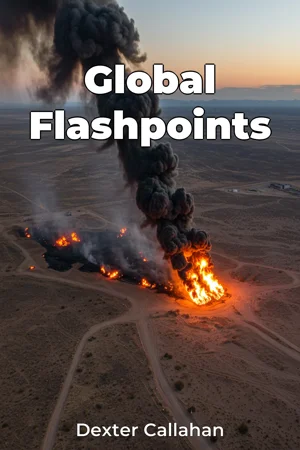
In an increasingly interconnected world, how can seemingly isolated regional conflicts ignite into global crises, reshaping international alliances and destabilizing established power structures? "Global Flashpoints" delves into the anatomy of geopolitical tension, exploring how brief, localized conflicts serve as pressure points that can rupture the fragile fabric of global relations. This book examines the multifaceted ways in which these "flashpoints" act as catalysts, accelerating the evolution of international dynamics and impacting economies, societies, and political landscapes worldwide. This book focuses on the significance of understanding regional conflicts, not as isolated events, but as critical indicators of deeper systemic issues within the global order. It also looks at the accelerating speed at which modern flashpoints can escalate due to technological advancements and the proliferation of information. Finally, it will analyze the role of international actors, both state and non-state, in either mitigating or exacerbating these conflicts. These topics are vital for understanding current events, anticipating future crises, and developing effective strategies for conflict resolution and prevention. To provide context, "Global Flashpoints" will explore the historical precedents of regional conflicts impacting global affairs, drawing parallels between past events and contemporary situations. This includes examining historical examples of proxy wars, the rise and fall of empires, and the evolution of international law and diplomacy. The book posits that understanding these historical patterns is crucial for navigating the complexities of today's geopolitical landscape. The central argument of "Global Flashpoints" is that regional conflicts are not merely isolated incidents but rather interconnected nodes within a complex global network. By understanding the specific dynamics of these flashpoints, we can gain valuable insights into the underlying tensions and power struggles that shape international relations. This argument is significant because it offers a framework for analyzing global affairs that goes beyond surface-level observations, enabling readers to grasp the deeper structural forces at play. The book is structured to introduce the main concepts of geopolitical tension and regional conflict in the opening chapters. Following this, it will delve into specific case studies of major global flashpoints, analyzing the historical context, key actors, and immediate and long-term consequences of each conflict. A detailed analysis of the role of international organizations, such as the United Nations, and the impact of economic sanctions and diplomatic interventions will be examined. It culminates in a discussion of practical strategies for conflict prevention, resolution, and post-conflict reconstruction, emphasizing the importance of multilateral cooperation and innovative approaches to diplomacy. To support its arguments, "Global Flashpoints" will draw upon a wide range of evidence, including primary source documents, government reports, academic research, and journalistic accounts. The book also uses statistical data on military spending, trade flows, and migration patterns to illustrate the economic and social impacts of regional conflicts. It uses comparative analysis of different conflict resolution strategies, highlighting both successes and failures to inform future policy decisions. "Global Flashpoints" connects to several other fields, including political science, economics, sociology, and international law. Its analysis of power dynamics and state behavior is relevant to political science, while its examination of economic sanctions and trade wars is pertinent to economics. The book also explores the social and cultural impacts of conflict, connecting to sociological studies of migration, displacement, and identity formation. By integrating these interdisciplinary perspectives, "Global Flashpoints" offers a more comprehensive and nuanced understanding of geopolitical tension and its global implications. This book stands out due to its holistic approach to analyzing regional conflicts, emphasizing their interconnectedness and impact on global systems. It offers a forward-looking perspective, focusing on the challenges and opportunities presented by emerging geopolitical trends. The tone is professional and accessible, aiming to engage a broad audience interested in international affairs. The writing style is clear and concise, avoiding jargon and technical terms whenever possible. "Global Flashpoints" is intended for policymakers, academics, students, journalists, and anyone seeking a deeper understanding of the forces shaping our world. It appeals to readers interested in international relations, current events, and the history of conflict. As a work of "World History, History World, Current Events", "Global Flashpoints" adheres to the conventions of factual accuracy, objectivity, and rigorous analysis. It avoids sensationalism and partisan viewpoints, striving to present a balanced and well-supported account of complex events. While "Global Flashpoints" aims to provide a comprehensive overview of geopolitical tension, it is limited in its scope by the vastness of the subject matter. The book focuses primarily on conflicts that have had a significant impact on global relations, omitting some smaller or more localized disputes. The book does not delve into the specific military tactics or technical aspects of warfare. The information presented in "Global Flashpoints" can be applied practically by readers in various ways. Policymakers can use its analysis to inform foreign policy decisions and develop more effective strategies for conflict prevention and resolution. Academics can use its framework to conduct further research on specific regions or issues. Students can use it as a valuable resource for understanding current events and the complexities of international relations. The book addresses ongoing debates and controversies in the field of international relations, such as the role of great powers in maintaining global stability, the effectiveness of economic sanctions as a tool of foreign policy, and the ethical implications of humanitarian intervention.
In an increasingly interconnected world, how can seemingly isolated regional conflicts ignite into global crises, reshaping international alliances and destabilizing established power structures? "Global Flashpoints" delves into the anatomy of geopolitical tension, exploring how brief, localized conflicts serve as pressure points that can rupture the fragile fabric of global relations. This book examines the multifaceted ways in which these "flashpoints" act as catalysts, accelerating the evolution of international dynamics and impacting economies, societies, and political landscapes worldwide. This book focuses on the significance of understanding regional conflicts, not as isolated events, but as critical indicators of deeper systemic issues within the global order. It also looks at the accelerating speed at which modern flashpoints can escalate due to technological advancements and the proliferation of information. Finally, it will analyze the role of international actors, both state and non-state, in either mitigating or exacerbating these conflicts. These topics are vital for understanding current events, anticipating future crises, and developing effective strategies for conflict resolution and prevention. To provide context, "Global Flashpoints" will explore the historical precedents of regional conflicts impacting global affairs, drawing parallels between past events and contemporary situations. This includes examining historical examples of proxy wars, the rise and fall of empires, and the evolution of international law and diplomacy. The book posits that understanding these historical patterns is crucial for navigating the complexities of today's geopolitical landscape. The central argument of "Global Flashpoints" is that regional conflicts are not merely isolated incidents but rather interconnected nodes within a complex global network. By understanding the specific dynamics of these flashpoints, we can gain valuable insights into the underlying tensions and power struggles that shape international relations. This argument is significant because it offers a framework for analyzing global affairs that goes beyond surface-level observations, enabling readers to grasp the deeper structural forces at play. The book is structured to introduce the main concepts of geopolitical tension and regional conflict in the opening chapters. Following this, it will delve into specific case studies of major global flashpoints, analyzing the historical context, key actors, and immediate and long-term consequences of each conflict. A detailed analysis of the role of international organizations, such as the United Nations, and the impact of economic sanctions and diplomatic interventions will be examined. It culminates in a discussion of practical strategies for conflict prevention, resolution, and post-conflict reconstruction, emphasizing the importance of multilateral cooperation and innovative approaches to diplomacy. To support its arguments, "Global Flashpoints" will draw upon a wide range of evidence, including primary source documents, government reports, academic research, and journalistic accounts. The book also uses statistical data on military spending, trade flows, and migration patterns to illustrate the economic and social impacts of regional conflicts. It uses comparative analysis of different conflict resolution strategies, highlighting both successes and failures to inform future policy decisions. "Global Flashpoints" connects to several other fields, including political science, economics, sociology, and international law. Its analysis of power dynamics and state behavior is relevant to political science, while its examination of economic sanctions and trade wars is pertinent to economics. The book also explores the social and cultural impacts of conflict, connecting to sociological studies of migration, displacement, and identity formation. By integrating these interdisciplinary perspectives, "Global Flashpoints" offers a more comprehensive and nuanced understanding of geopolitical tension and its global implications. This book stands out due to its holistic approach to analyzing regional conflicts, emphasizing their interconnectedness and impact on global systems. It offers a forward-looking perspective, focusing on the challenges and opportunities presented by emerging geopolitical trends. The tone is professional and accessible, aiming to engage a broad audience interested in international affairs. The writing style is clear and concise, avoiding jargon and technical terms whenever possible. "Global Flashpoints" is intended for policymakers, academics, students, journalists, and anyone seeking a deeper understanding of the forces shaping our world. It appeals to readers interested in international relations, current events, and the history of conflict. As a work of "World History, History World, Current Events", "Global Flashpoints" adheres to the conventions of factual accuracy, objectivity, and rigorous analysis. It avoids sensationalism and partisan viewpoints, striving to present a balanced and well-supported account of complex events. While "Global Flashpoints" aims to provide a comprehensive overview of geopolitical tension, it is limited in its scope by the vastness of the subject matter. The book focuses primarily on conflicts that have had a significant impact on global relations, omitting some smaller or more localized disputes. The book does not delve into the specific military tactics or technical aspects of warfare. The information presented in "Global Flashpoints" can be applied practically by readers in various ways. Policymakers can use its analysis to inform foreign policy decisions and develop more effective strategies for conflict prevention and resolution. Academics can use its framework to conduct further research on specific regions or issues. Students can use it as a valuable resource for understanding current events and the complexities of international relations. The book addresses ongoing debates and controversies in the field of international relations, such as the role of great powers in maintaining global stability, the effectiveness of economic sanctions as a tool of foreign policy, and the ethical implications of humanitarian intervention.
"Global Flashpoints" explores how regional conflicts serve as pressure points, escalating into global crises that reshape international alliances and destabilize established power structures. It highlights the accelerating speed at which these flashpoints can escalate due to technological advancements, examining the roles of various international actors in either mitigating or exacerbating conflict. Understanding these dynamics is crucial for current events, anticipating future crises, and developing strategies for conflict resolution. The book uniquely emphasizes that regional conflicts are interconnected nodes within a complex global network, offering a framework for analyzing global affairs beyond surface-level observations. It draws upon historical precedents, such as proxy wars and the rise and fall of empires, to provide context for contemporary situations. By understanding these historical patterns, readers can better navigate the complexities of today's geopolitical landscape, fostering informed perspectives on conflict prevention and international relations. The book progresses from introducing concepts of geopolitical tension to delving into case studies of major global flashpoints, analyzing their historical context and consequences. It examines the role of international organizations and the impact of economic sanctions, culminating in a discussion of practical strategies for conflict prevention and resolution. This approach offers a comprehensive understanding of global crises and their far-reaching implications.
Book Details
ISBN
9788235263186
Publisher
Publifye AS
Your Licenses
You don't own any licenses for this book
Purchase a license below to unlock this book and download the EPUB.
Purchase License
Select a tier to unlock this book
Need bulk licensing?
Contact us for enterprise agreements.