
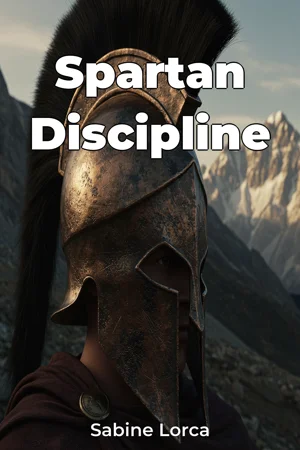
About This Book
What drove a civilization to forge warriors so disciplined and resilient that their very name became synonymous with military prowess? *Spartan Discipline* delves into the heart of ancient Sparta, dissecting the rigorous training, education, and societal framework that cultivated its formidable warrior culture. This book examines not only the battlefield successes but also the foundational elements that made Sparta a unique and often misunderstood power in the ancient world. We will explore three core themes: the Agoge, Sparta's brutal and comprehensive military education system; the societal structures that demanded absolute loyalty and conformity; and the economic and political systems that supported and perpetuated this militaristic society. Understanding these elements is crucial to grasping how Sparta consistently punched above its weight in regional conflicts and instilled such fear in its rivals. The absence of any one of these pillars would have resulted in a vastly different societal outcome. This book provides historical context beginning with the legendary lawgiver Lycurgus and the establishment of the Spartan system, examining the initial conditions that led to the development of such a unique society. It assumes a basic familiarity with ancient Greece but provides sufficient background information to be accessible to a broad readership. The central argument of *Spartan Discipline* is that Sparta's military dominance was not merely a result of superior weaponry or tactics, but rather the direct consequence of a deeply ingrained and all-encompassing societal system designed to produce highly disciplined and exceptionally resilient warriors. This argument challenges conventional views that often focus solely on the battlefield achievements of Sparta, neglecting the complex social and political machinery that made those achievements possible. The book is structured into three distinct parts. The first section introduces the mythical origins of Sparta and traces the development of its unique institutions. The second section delves into the intricacies of the Agoge, analyzing its curriculum, methods, and psychological impact on Spartan youth. The final section examines Spartan society as a whole, exploring its political system, economic structure, and the roles of women and helots within this rigid framework. The book culminates in an analysis of Sparta's legacy and its lasting impact on military thought and practice. *Spartan Discipline* relies on a wide range of primary and secondary sources, including the writings of Xenophon, Plutarch, and Thucydides, as well as modern archaeological findings and scholarly interpretations. It incorporates data from recent studies on ancient training methods and psychological warfare to provide a nuanced and evidence-based analysis of the Spartan experience. This book connects to broader fields of study such as political science (examining the nature of totalitarian states), sociology (analyzing the impact of social conditioning on individual behavior), and psychology (exploring the limits of human endurance and the effects of trauma). By drawing on these interdisciplinary connections, *Spartan Discipline* provides a more complete and compelling picture of Spartan society. The book takes a fresh approach by examining Sparta through the lens of modern military and psychological research, offering new insights into the effectiveness of Spartan training methods and the motivations of its warriors. Written in a clear and accessible style, *Spartan Discipline* is intended for general readers with an interest in military history, ancient civilizations, and the psychology of warfare. Academics and military professionals will also find value in its detailed analysis and fresh perspectives. As a work of military history, this book adheres to the genre's conventions of providing detailed accounts of battles, strategies, and military organization. However, it goes beyond traditional military history by exploring the social, cultural, and psychological factors that shaped Spartan martial culture. The scope of *Spartan Discipline* is primarily focused on the classical period of Spartan history, from the 6th to the 4th centuries BCE. It does not delve deeply into the earlier Mycenaean period or the later Hellenistic era, focusing instead on the period when Sparta was at the height of its power and influence. The principles of Spartan discipline, such as resilience, teamwork, and mental fortitude, can be applied in various modern contexts, from business and sports to personal development and leadership. This book also addresses ongoing debates about the nature of Spartan society, such as the role of women, the treatment of helots, and the true extent of Spartan militarism. By presenting different perspectives and analyzing the available evidence, *Spartan Discipline* encourages readers to form their own informed opinions about this complex and controversial civilization.
What drove a civilization to forge warriors so disciplined and resilient that their very name became synonymous with military prowess? *Spartan Discipline* delves into the heart of ancient Sparta, dissecting the rigorous training, education, and societal framework that cultivated its formidable warrior culture. This book examines not only the battlefield successes but also the foundational elements that made Sparta a unique and often misunderstood power in the ancient world. We will explore three core themes: the Agoge, Sparta's brutal and comprehensive military education system; the societal structures that demanded absolute loyalty and conformity; and the economic and political systems that supported and perpetuated this militaristic society. Understanding these elements is crucial to grasping how Sparta consistently punched above its weight in regional conflicts and instilled such fear in its rivals. The absence of any one of these pillars would have resulted in a vastly different societal outcome. This book provides historical context beginning with the legendary lawgiver Lycurgus and the establishment of the Spartan system, examining the initial conditions that led to the development of such a unique society. It assumes a basic familiarity with ancient Greece but provides sufficient background information to be accessible to a broad readership. The central argument of *Spartan Discipline* is that Sparta's military dominance was not merely a result of superior weaponry or tactics, but rather the direct consequence of a deeply ingrained and all-encompassing societal system designed to produce highly disciplined and exceptionally resilient warriors. This argument challenges conventional views that often focus solely on the battlefield achievements of Sparta, neglecting the complex social and political machinery that made those achievements possible. The book is structured into three distinct parts. The first section introduces the mythical origins of Sparta and traces the development of its unique institutions. The second section delves into the intricacies of the Agoge, analyzing its curriculum, methods, and psychological impact on Spartan youth. The final section examines Spartan society as a whole, exploring its political system, economic structure, and the roles of women and helots within this rigid framework. The book culminates in an analysis of Sparta's legacy and its lasting impact on military thought and practice. *Spartan Discipline* relies on a wide range of primary and secondary sources, including the writings of Xenophon, Plutarch, and Thucydides, as well as modern archaeological findings and scholarly interpretations. It incorporates data from recent studies on ancient training methods and psychological warfare to provide a nuanced and evidence-based analysis of the Spartan experience. This book connects to broader fields of study such as political science (examining the nature of totalitarian states), sociology (analyzing the impact of social conditioning on individual behavior), and psychology (exploring the limits of human endurance and the effects of trauma). By drawing on these interdisciplinary connections, *Spartan Discipline* provides a more complete and compelling picture of Spartan society. The book takes a fresh approach by examining Sparta through the lens of modern military and psychological research, offering new insights into the effectiveness of Spartan training methods and the motivations of its warriors. Written in a clear and accessible style, *Spartan Discipline* is intended for general readers with an interest in military history, ancient civilizations, and the psychology of warfare. Academics and military professionals will also find value in its detailed analysis and fresh perspectives. As a work of military history, this book adheres to the genre's conventions of providing detailed accounts of battles, strategies, and military organization. However, it goes beyond traditional military history by exploring the social, cultural, and psychological factors that shaped Spartan martial culture. The scope of *Spartan Discipline* is primarily focused on the classical period of Spartan history, from the 6th to the 4th centuries BCE. It does not delve deeply into the earlier Mycenaean period or the later Hellenistic era, focusing instead on the period when Sparta was at the height of its power and influence. The principles of Spartan discipline, such as resilience, teamwork, and mental fortitude, can be applied in various modern contexts, from business and sports to personal development and leadership. This book also addresses ongoing debates about the nature of Spartan society, such as the role of women, the treatment of helots, and the true extent of Spartan militarism. By presenting different perspectives and analyzing the available evidence, *Spartan Discipline* encourages readers to form their own informed opinions about this complex and controversial civilization.
*Spartan Discipline* explores the society of ancient Sparta, focusing on its unique system that produced exceptionally disciplined warriors. It examines how the Agoge, Sparta's rigorous military education, shaped individuals from a young age, instilling a culture of absolute loyalty and conformity. The book investigates the economic and political structures that supported Sparta's militaristic society, revealing how these elements combined to create a dominant force in ancient Greece. The book argues that Sparta's military success wasn't just about battlefield tactics but stemmed from a deeply ingrained societal system. Exploring the legendary lawgiver Lycurgus and the establishment of Sparta's institutions, the book progresses through three main parts: the origins of Sparta, the intricacies of the Agoge, and an examination of Spartan society including the roles of women and helots. It provides historical context and analyzes the psychological impact of Spartan training, drawing on writings from Xenophon, Plutarch, and Thucydides. This study of military history offers a fresh perspective by connecting ancient practices with modern military and psychological research. By examining the Agoge, the book demonstrates the degree of mental and physical toughness required of Spartan warriors. Ultimately, the book analyzes Sparta's legacy and its lasting impact on military thought, offering insights into the principles of resilience and teamwork that remain relevant today.
Book Details
ISBN
9788235263117
Publisher
Publifye AS
Your Licenses
You don't own any licenses for this book
Purchase a license below to unlock this book and download the EPUB.
Purchase License
Select a tier to unlock this book
Need bulk licensing?
Contact us for enterprise agreements.