
About This Book
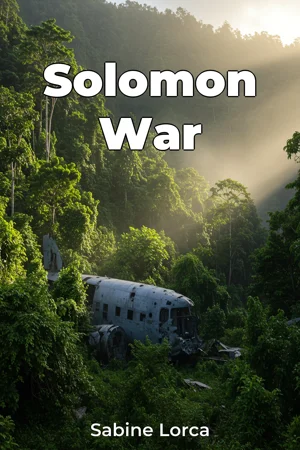
How did a remote archipelago in the Pacific become a pivotal battleground that reshaped the course of World War II? "Solomon War" delves into the Solomon Islands campaign, a brutal and strategically vital theater of the Pacific War. This book explores the key battles, intricate military strategies, and devastating impact on the indigenous populations caught in the crossfire. The book centers around three crucial themes: the strategic importance of the Solomon Islands, the diverse military strategies employed by both Allied and Japanese forces, and the profound societal and environmental consequences for the local islanders. Understanding these aspects is crucial to grasping the complexities of the Pacific War and its lasting legacy. To fully appreciate the Solomon Islands campaign, a basic understanding of World War II’s Pacific Theater is helpful. Japan's expansionist policies in the 1930s and early 1940s set the stage for conflict. Japan's strategic goal was to control vital resources and establish a defensive perimeter against Allied forces. The Solomon Islands, with its proximity to Australia and key shipping lanes, became a critical point of contention. "Solomon War" argues that the Solomon Islands campaign was not merely a series of battles but a turning point in the Pacific War. The Allied victory, though hard-won, halted Japanese expansion and shifted the momentum in favor of the Allies. Furthermore, the book contends that the campaign's impact extended far beyond military outcomes, profoundly altering the social, economic, and environmental fabric of the Solomon Islands. The book unfolds in a structured narrative. The first section introduces the geopolitical landscape of the Pacific and sets the stage for the conflict, outlining the strategic importance of the Solomon Islands. The second section details the major battles, including Guadalcanal, New Georgia, and Bougainville, analyzing the military strategies and tactics employed by both sides. Specific attention will be given to the roles of naval, air, and ground forces, and how the unique jungle environment impacted combat. The third section examines the social and environmental consequences of the war on the Solomon Islands population, including displacement, loss of life, and the long-term effects of unexploded ordnance and environmental damage. The concluding chapter reflects on the enduring legacy of the Solomon Islands campaign and its significance in shaping the post-war world. "Solomon War" draws upon a wide range of sources, including official military records from both Allied and Japanese archives, firsthand accounts from veterans and islanders, and previously unpublished photographs and maps. Oral histories collected from Solomon Islanders provide a unique perspective on the war's impact on civilian life. The book also connects to fields such as anthropology, environmental studies, and political science. The impact on indigenous cultures is explored through an anthropological lens, while the environmental damage wrought by the war connects to ecological studies. The political ramifications of the conflict, including the rise of nationalism and the struggle for independence, are examined through a political science perspective. "Solomon War" offers a unique perspective by combining military history with social and environmental analysis. It seeks to provide a holistic account of the Solomon Islands campaign, moving beyond traditional battle narratives to explore the human cost of war and its lasting consequences. Written in a clear and accessible style, "Solomon War" is intended for a broad audience, including military history enthusiasts, students, and anyone interested in the Pacific War and its impact on the world. The book provides valuable insights into the Solomon Islands Campaign, offering a comprehensive overview of this often overlooked but crucial theater of World War II. While this book provides an in-depth analysis of the Solomon Islands campaign, it primarily focuses on the period between 1942 and 1945. It does not delve extensively into the pre-war history of the islands or the post-war reconstruction efforts, focusing instead on the immediate and direct impacts of the conflict. The lessons learned from the Solomon Islands campaign, particularly regarding jungle warfare and logistics, have continued relevance for military strategists today. The book also offers practical insights into the challenges of post-conflict reconstruction and the importance of addressing the environmental and social consequences of war. The book addresses the ongoing debates surrounding the strategic decisions made by both Allied and Japanese commanders, exploring the controversies over resource allocation, tactical choices, and the treatment of civilian populations. "Solomon War" contributes to a deeper understanding of the Solomon Islands campaign and its enduring significance in world history.
How did a remote archipelago in the Pacific become a pivotal battleground that reshaped the course of World War II? "Solomon War" delves into the Solomon Islands campaign, a brutal and strategically vital theater of the Pacific War. This book explores the key battles, intricate military strategies, and devastating impact on the indigenous populations caught in the crossfire. The book centers around three crucial themes: the strategic importance of the Solomon Islands, the diverse military strategies employed by both Allied and Japanese forces, and the profound societal and environmental consequences for the local islanders. Understanding these aspects is crucial to grasping the complexities of the Pacific War and its lasting legacy. To fully appreciate the Solomon Islands campaign, a basic understanding of World War II’s Pacific Theater is helpful. Japan's expansionist policies in the 1930s and early 1940s set the stage for conflict. Japan's strategic goal was to control vital resources and establish a defensive perimeter against Allied forces. The Solomon Islands, with its proximity to Australia and key shipping lanes, became a critical point of contention. "Solomon War" argues that the Solomon Islands campaign was not merely a series of battles but a turning point in the Pacific War. The Allied victory, though hard-won, halted Japanese expansion and shifted the momentum in favor of the Allies. Furthermore, the book contends that the campaign's impact extended far beyond military outcomes, profoundly altering the social, economic, and environmental fabric of the Solomon Islands. The book unfolds in a structured narrative. The first section introduces the geopolitical landscape of the Pacific and sets the stage for the conflict, outlining the strategic importance of the Solomon Islands. The second section details the major battles, including Guadalcanal, New Georgia, and Bougainville, analyzing the military strategies and tactics employed by both sides. Specific attention will be given to the roles of naval, air, and ground forces, and how the unique jungle environment impacted combat. The third section examines the social and environmental consequences of the war on the Solomon Islands population, including displacement, loss of life, and the long-term effects of unexploded ordnance and environmental damage. The concluding chapter reflects on the enduring legacy of the Solomon Islands campaign and its significance in shaping the post-war world. "Solomon War" draws upon a wide range of sources, including official military records from both Allied and Japanese archives, firsthand accounts from veterans and islanders, and previously unpublished photographs and maps. Oral histories collected from Solomon Islanders provide a unique perspective on the war's impact on civilian life. The book also connects to fields such as anthropology, environmental studies, and political science. The impact on indigenous cultures is explored through an anthropological lens, while the environmental damage wrought by the war connects to ecological studies. The political ramifications of the conflict, including the rise of nationalism and the struggle for independence, are examined through a political science perspective. "Solomon War" offers a unique perspective by combining military history with social and environmental analysis. It seeks to provide a holistic account of the Solomon Islands campaign, moving beyond traditional battle narratives to explore the human cost of war and its lasting consequences. Written in a clear and accessible style, "Solomon War" is intended for a broad audience, including military history enthusiasts, students, and anyone interested in the Pacific War and its impact on the world. The book provides valuable insights into the Solomon Islands Campaign, offering a comprehensive overview of this often overlooked but crucial theater of World War II. While this book provides an in-depth analysis of the Solomon Islands campaign, it primarily focuses on the period between 1942 and 1945. It does not delve extensively into the pre-war history of the islands or the post-war reconstruction efforts, focusing instead on the immediate and direct impacts of the conflict. The lessons learned from the Solomon Islands campaign, particularly regarding jungle warfare and logistics, have continued relevance for military strategists today. The book also offers practical insights into the challenges of post-conflict reconstruction and the importance of addressing the environmental and social consequences of war. The book addresses the ongoing debates surrounding the strategic decisions made by both Allied and Japanese commanders, exploring the controversies over resource allocation, tactical choices, and the treatment of civilian populations. "Solomon War" contributes to a deeper understanding of the Solomon Islands campaign and its enduring significance in world history.
"Solomon War" explores the Solomon Islands campaign, a pivotal and brutal theater in the Pacific War during World War II. It reveals how this remote archipelago became a crucial battleground, significantly altering the course of the war. The book highlights the strategic importance of the islands, noting that their control was essential for both Allied and Japanese forces due to their proximity to Australia and vital shipping lanes. Furthermore, the campaign marked a turning point as Allied victory halted Japanese expansion, shifting momentum in their favor. The book examines the diverse military strategies used by both sides, detailing key battles like Guadalcanal, set against the challenging backdrop of jungle warfare. It provides a holistic view by also exploring the profound social and environmental consequences experienced by the local islanders, including displacement and long-term environmental damage. The narrative progresses from the geopolitical landscape to the specifics of major battles, ultimately reflecting on the campaign’s lasting legacy. Drawing from military records, firsthand accounts, and oral histories, "Solomon War" uniquely combines military history with social and environmental analysis. This approach offers a comprehensive understanding of the Solomon Islands campaign, making it valuable for military history enthusiasts and anyone interested in the Pacific War's broader impact on world history.
Book Details
ISBN
9788235262899
Publisher
Publifye AS
Your Licenses
You don't own any licenses for this book
Purchase a license below to unlock this book and download the EPUB.
Purchase License
Select a tier to unlock this book
Need bulk licensing?
Contact us for enterprise agreements.