
About This Book
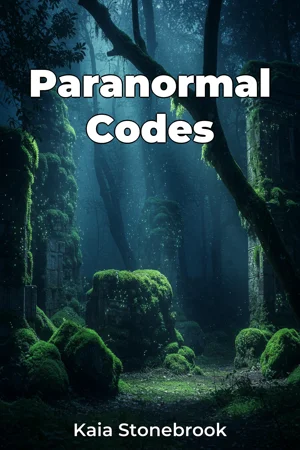
Are paranormal phenomena merely figments of our collective imagination, or do they hint at a shared reality shaped by cultural beliefs and scientific principles? "Paranormal Codes" delves into the intricate relationship between paranormal fiction, cultural phenomena, accepted science, and religious viewpoints, exploring how these seemingly disparate realms intersect and influence one another. This book seeks to unpack the underlying codes that govern our understanding of the paranormal and its potent influence on society. Two central themes guide this exploration: the cultural shaping of paranormal narratives, and the scientific plausibility of certain paranormal concepts. The prevalence of ghost stories, psychic abilities, and mythical creatures varies significantly across cultures, reflecting unique historical experiences, religious traditions, and social anxieties. By examining these cultural variations, we illuminate how the paranormal serves as a canvas for expressing societal values and fears. Simultaneously, we analyze the extent to which scientific principles, particularly in fields like quantum physics and psychology, can offer frameworks for understanding phenomena often dismissed as impossible. These topics are important because they invite us to question our assumptions about reality and consider alternative perspectives on unexplained phenomena. Understanding the historical context of both scientific inquiry and religious belief systems is crucial. The book explores how historical events, such as the rise of spiritualism in the 19th century and the development of quantum mechanics in the 20th, have shaped our perception of the paranormal. We examine how earlier scientific and religious viewpoints impacted paranormal beliefs and provided avenues of exploration. The central argument of "Paranormal Codes" posits that paranormal fiction and beliefs act as a conduit for exploring humanity's deepest questions about existence, consciousness, and the unknown and, while not definitive proof, should be considered a potential guide for future scientific research. The book emphasizes that the paranormal isn't merely a source of entertainment but a reflection of our collective search for meaning and understanding. The book's structure begins with an introduction to the core concepts of paranormal fiction and belief systems. It then progresses through several key areas: a) An outline of the common tropes and themes in paranormal stories across different cultures. b) An examination of the psychological and sociological factors that contribute to belief in the paranormal. c) An exploration of scientific theories that may offer insights into phenomena such as ESP, telekinesis, and near-death experiences. d) A discussion of how religions historically, and currently, perceive and integrate paranormal events. It culminates in a discussion of the ethical implications of paranormal research and the potential for these studies to inform our understanding of consciousness and reality. Evidence presented includes comparative analyses of paranormal narratives from different cultures, statistical data on paranormal belief, case studies of individuals claiming paranormal experiences, and examination of research findings from parapsychology and related fields. This book will bridge the gap between religion, science, fiction, and cultural studies. Specifically, it touches on psychology (the study of belief and perception), sociology (the study of cultural phenomena), and philosophy (the exploration of consciousness and reality). These interdisciplinary connections showcase the complexity of the paranormal and provide a more comprehensive understanding. The book takes a balanced approach, acknowledging the limitations of current scientific understanding while remaining open to the possibility of unconventional truths. This approach allows for a critical examination of the paranormal without resorting to either blind skepticism or uncritical acceptance. The target audience includes readers interested in paranormal fiction, cultural studies, science, religion, and psychology, and anyone seeking a deeper understanding of the unexplained. This book offers a valuable resource for both casual readers and serious researchers. As a work of non-fiction, "Paranormal Codes" adheres to the principles of accuracy, objectivity, and evidence-based reasoning. It presents information in a clear and accessible manner, avoiding sensationalism and focusing on factual analysis. The book focuses on broad themes and patterns in paranormal culture and does not attempt to provide definitive answers to specific paranormal claims. Its objective is to stimulate critical thinking and encourage further exploration. Readers may be able to apply the concepts explored in this book to better understand why certain stories or beliefs resonate, to improve their own critical thinking skills related to paranormal claims, and to cultivate a more nuanced perspective on the relationship between science, culture, and the unknown. The field of paranormal studies is fraught with debate, particularly concerning the validity of evidence and the interpretation of research findings. This book addresses these controversies head-on, presenting different viewpoints and encouraging readers to form their own informed opinions.
Are paranormal phenomena merely figments of our collective imagination, or do they hint at a shared reality shaped by cultural beliefs and scientific principles? "Paranormal Codes" delves into the intricate relationship between paranormal fiction, cultural phenomena, accepted science, and religious viewpoints, exploring how these seemingly disparate realms intersect and influence one another. This book seeks to unpack the underlying codes that govern our understanding of the paranormal and its potent influence on society. Two central themes guide this exploration: the cultural shaping of paranormal narratives, and the scientific plausibility of certain paranormal concepts. The prevalence of ghost stories, psychic abilities, and mythical creatures varies significantly across cultures, reflecting unique historical experiences, religious traditions, and social anxieties. By examining these cultural variations, we illuminate how the paranormal serves as a canvas for expressing societal values and fears. Simultaneously, we analyze the extent to which scientific principles, particularly in fields like quantum physics and psychology, can offer frameworks for understanding phenomena often dismissed as impossible. These topics are important because they invite us to question our assumptions about reality and consider alternative perspectives on unexplained phenomena. Understanding the historical context of both scientific inquiry and religious belief systems is crucial. The book explores how historical events, such as the rise of spiritualism in the 19th century and the development of quantum mechanics in the 20th, have shaped our perception of the paranormal. We examine how earlier scientific and religious viewpoints impacted paranormal beliefs and provided avenues of exploration. The central argument of "Paranormal Codes" posits that paranormal fiction and beliefs act as a conduit for exploring humanity's deepest questions about existence, consciousness, and the unknown and, while not definitive proof, should be considered a potential guide for future scientific research. The book emphasizes that the paranormal isn't merely a source of entertainment but a reflection of our collective search for meaning and understanding. The book's structure begins with an introduction to the core concepts of paranormal fiction and belief systems. It then progresses through several key areas: a) An outline of the common tropes and themes in paranormal stories across different cultures. b) An examination of the psychological and sociological factors that contribute to belief in the paranormal. c) An exploration of scientific theories that may offer insights into phenomena such as ESP, telekinesis, and near-death experiences. d) A discussion of how religions historically, and currently, perceive and integrate paranormal events. It culminates in a discussion of the ethical implications of paranormal research and the potential for these studies to inform our understanding of consciousness and reality. Evidence presented includes comparative analyses of paranormal narratives from different cultures, statistical data on paranormal belief, case studies of individuals claiming paranormal experiences, and examination of research findings from parapsychology and related fields. This book will bridge the gap between religion, science, fiction, and cultural studies. Specifically, it touches on psychology (the study of belief and perception), sociology (the study of cultural phenomena), and philosophy (the exploration of consciousness and reality). These interdisciplinary connections showcase the complexity of the paranormal and provide a more comprehensive understanding. The book takes a balanced approach, acknowledging the limitations of current scientific understanding while remaining open to the possibility of unconventional truths. This approach allows for a critical examination of the paranormal without resorting to either blind skepticism or uncritical acceptance. The target audience includes readers interested in paranormal fiction, cultural studies, science, religion, and psychology, and anyone seeking a deeper understanding of the unexplained. This book offers a valuable resource for both casual readers and serious researchers. As a work of non-fiction, "Paranormal Codes" adheres to the principles of accuracy, objectivity, and evidence-based reasoning. It presents information in a clear and accessible manner, avoiding sensationalism and focusing on factual analysis. The book focuses on broad themes and patterns in paranormal culture and does not attempt to provide definitive answers to specific paranormal claims. Its objective is to stimulate critical thinking and encourage further exploration. Readers may be able to apply the concepts explored in this book to better understand why certain stories or beliefs resonate, to improve their own critical thinking skills related to paranormal claims, and to cultivate a more nuanced perspective on the relationship between science, culture, and the unknown. The field of paranormal studies is fraught with debate, particularly concerning the validity of evidence and the interpretation of research findings. This book addresses these controversies head-on, presenting different viewpoints and encouraging readers to form their own informed opinions.
"Paranormal Codes" explores the intriguing intersections of paranormal phenomena, cultural beliefs, science, and religion. It examines how ghost stories and beliefs in psychic abilities vary across cultures, reflecting unique societal values and fears. The book also investigates whether scientific principles, such as those found in quantum physics, might offer frameworks for understanding phenomena like ESP and near-death experiences. The book emphasizes that paranormal beliefs, while often dismissed, act as a conduit for humanity's exploration of consciousness and the unknown. It delves into the psychological and sociological roots of paranormal belief and reviews scientific research that attempts to explain these phenomena. By tracing the historical impacts of both scientific discovery and religious doctrine, the book emphasizes how our past shapes our understanding of the paranormal. The book begins with an introduction to paranormal concepts and progresses to cover cultural tropes, psychological factors, scientific theories, and religious perspectives. Ultimately, it encourages readers to critically examine the paranormal and consider its ethical implications for our understanding of reality.
Book Details
ISBN
9788235262721
Publisher
Publifye AS
Your Licenses
You don't own any licenses for this book
Purchase a license below to unlock this book and download the EPUB.
Purchase License
Select a tier to unlock this book
Need bulk licensing?
Contact us for enterprise agreements.