
About This Book
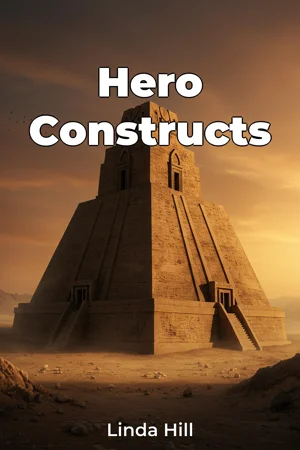
What separates historical fact from enduring myth when it comes to the heroes of ancient societies? "Hero Constructs" delves into this very question, deconstructing the factual underpinnings of heroic roles across diverse cultures. This exploration is critical because understanding the genesis and evolution of the heroic archetype offers invaluable insights into the values, beliefs, and social structures that shaped these civilizations. Studying these constructs allows us to more accurately interpret ancient texts, art, and archaeological findings, moving beyond romanticized notions to grasp the complex realities of the past. This book will examine several key areas: the socio-political context in which heroic narratives emerged, the common attributes ascribed to heroes across different cultures, and the ways in which these narratives were used to legitimize power and maintain social order. We will analyze specific examples from ancient Greece, Mesopotamia, and Egypt, comparing and contrasting the characteristics and functions of their respective heroes. For example, we look at the ways in which Gilgamesh and Achilles, whilst separated by time and culture, were both constructed to explore the nature of mortality and kingship. The central argument of "Hero Constructs" is that heroic figures were not simply reflections of individual prowess, but carefully crafted representations of societal ideals, anxieties, and aspirations. These figures served as powerful tools for shaping collective identities and reinforcing existing power structures. This argument is significant because it challenges traditional, often romanticized interpretations of heroism, offering a more nuanced and critically informed understanding of its role in ancient societies. The book is structured to provide a comprehensive analysis, beginning with an introduction to the theoretical frameworks used to study heroism, drawing from disciplines such as anthropology, sociology, and literary criticism. We then move into detailed case studies of specific heroic figures and narratives from the aforementioned ancient societies. These chapters will explore the historical context, analyze textual and visual representations, and examine the socio-political functions of each hero. Finally, the book culminates in a comparative analysis, identifying common themes and variations across cultures, and drawing broader conclusions about the nature of heroism and its enduring relevance. The evidence presented in "Hero Constructs" will draw from a variety of sources, including primary texts (such as epic poems, myths, and historical chronicles), archaeological findings (such as artwork and inscriptions), and secondary scholarship from various academic disciplines. Particular attention will be given to analyzing the discrepancies between historical accounts and mythological narratives, highlighting the processes of idealization and myth-making that shaped our understanding of these figures. This project also connects to fields such as political science, examining how heroic narratives were employed to legitimize rulers and maintain social control. It also intersects with gender studies, analyzing the ways in which heroic roles were often gendered, reinforcing traditional notions of masculinity and femininity. Further, the book contains connections to cultural studies via the examination of intercultural exchange and the dissemination of heroic archetypes across different societies. "Hero Constructs" offers a unique perspective by approaching the study of heroism from a distinctly socio-political and historical angle. Unlike traditional literary analyses that focus primarily on narrative structure and character development, this book emphasizes the ways in which heroic figures were shaped by, and in turn shaped, the societies that created them. The writing style is academic yet accessible, aiming to engage both scholars and general readers with an interest in ancient history and mythology. “Hero Constructs” targets students and academics in fields such as history, classics, archaeology, and cultural studies, as well as general readers interested in ancient civilizations and the enduring power of myth. The scope of "Hero Constructs" is limited to a selection of key ancient societies (Greece, Mesopotamia, and Egypt) to allow for in-depth analysis. While other cultures are mentioned for comparative purposes, the focus remains on these three regions. The research in "Hero Constructs" has real-world applications for understanding contemporary political discourse and the manipulation of historical narratives. By deconstructing the myths of the past, we can gain a more critical perspective on the ways in which heroism is invoked and utilized in the present. The understanding surrounding the historicity of figures like Moses, and King Arthur are addressed, with the understanding that such figures are shrouded in myth and legend. "Hero Constructs" will engage with these debates acknowledging the complexities of reconstructing the past.
What separates historical fact from enduring myth when it comes to the heroes of ancient societies? "Hero Constructs" delves into this very question, deconstructing the factual underpinnings of heroic roles across diverse cultures. This exploration is critical because understanding the genesis and evolution of the heroic archetype offers invaluable insights into the values, beliefs, and social structures that shaped these civilizations. Studying these constructs allows us to more accurately interpret ancient texts, art, and archaeological findings, moving beyond romanticized notions to grasp the complex realities of the past. This book will examine several key areas: the socio-political context in which heroic narratives emerged, the common attributes ascribed to heroes across different cultures, and the ways in which these narratives were used to legitimize power and maintain social order. We will analyze specific examples from ancient Greece, Mesopotamia, and Egypt, comparing and contrasting the characteristics and functions of their respective heroes. For example, we look at the ways in which Gilgamesh and Achilles, whilst separated by time and culture, were both constructed to explore the nature of mortality and kingship. The central argument of "Hero Constructs" is that heroic figures were not simply reflections of individual prowess, but carefully crafted representations of societal ideals, anxieties, and aspirations. These figures served as powerful tools for shaping collective identities and reinforcing existing power structures. This argument is significant because it challenges traditional, often romanticized interpretations of heroism, offering a more nuanced and critically informed understanding of its role in ancient societies. The book is structured to provide a comprehensive analysis, beginning with an introduction to the theoretical frameworks used to study heroism, drawing from disciplines such as anthropology, sociology, and literary criticism. We then move into detailed case studies of specific heroic figures and narratives from the aforementioned ancient societies. These chapters will explore the historical context, analyze textual and visual representations, and examine the socio-political functions of each hero. Finally, the book culminates in a comparative analysis, identifying common themes and variations across cultures, and drawing broader conclusions about the nature of heroism and its enduring relevance. The evidence presented in "Hero Constructs" will draw from a variety of sources, including primary texts (such as epic poems, myths, and historical chronicles), archaeological findings (such as artwork and inscriptions), and secondary scholarship from various academic disciplines. Particular attention will be given to analyzing the discrepancies between historical accounts and mythological narratives, highlighting the processes of idealization and myth-making that shaped our understanding of these figures. This project also connects to fields such as political science, examining how heroic narratives were employed to legitimize rulers and maintain social control. It also intersects with gender studies, analyzing the ways in which heroic roles were often gendered, reinforcing traditional notions of masculinity and femininity. Further, the book contains connections to cultural studies via the examination of intercultural exchange and the dissemination of heroic archetypes across different societies. "Hero Constructs" offers a unique perspective by approaching the study of heroism from a distinctly socio-political and historical angle. Unlike traditional literary analyses that focus primarily on narrative structure and character development, this book emphasizes the ways in which heroic figures were shaped by, and in turn shaped, the societies that created them. The writing style is academic yet accessible, aiming to engage both scholars and general readers with an interest in ancient history and mythology. “Hero Constructs” targets students and academics in fields such as history, classics, archaeology, and cultural studies, as well as general readers interested in ancient civilizations and the enduring power of myth. The scope of "Hero Constructs" is limited to a selection of key ancient societies (Greece, Mesopotamia, and Egypt) to allow for in-depth analysis. While other cultures are mentioned for comparative purposes, the focus remains on these three regions. The research in "Hero Constructs" has real-world applications for understanding contemporary political discourse and the manipulation of historical narratives. By deconstructing the myths of the past, we can gain a more critical perspective on the ways in which heroism is invoked and utilized in the present. The understanding surrounding the historicity of figures like Moses, and King Arthur are addressed, with the understanding that such figures are shrouded in myth and legend. "Hero Constructs" will engage with these debates acknowledging the complexities of reconstructing the past.
"Hero Constructs" explores the fascinating intersection of history and myth by examining how ancient societies constructed their heroes. It argues that these heroic figures, far from being simple reflections of individual bravery, were carefully crafted representations of societal values, anxieties, and power structures. By analyzing narratives from ancient Greece, Mesopotamia, and Egypt, the book reveals how cultures used hero archetypes to shape collective identities and legitimize authority. For instance, figures like Gilgamesh and Achilles, though separated by time, both grappled with themes of mortality and leadership, reflecting the concerns of their respective societies. The book begins by establishing theoretical frameworks for understanding heroism, drawing from anthropology, sociology, and literary criticism. It then progresses through detailed case studies, analyzing textual and archaeological evidence to uncover the socio-political context of each hero. "Hero Constructs" challenges traditional interpretations by emphasizing the ways in which heroic figures were shaped by their societies. Ultimately, the book offers a comparative analysis, highlighting common themes and cultural variations, providing a nuanced understanding of heroism's enduring relevance in world history. This approach enables a deeper interpretation of ancient texts and artifacts, moving beyond romanticized notions to grasp the complex realities of the ancient world.
Book Details
ISBN
9788235262677
Publisher
Publifye AS
Your Licenses
You don't own any licenses for this book
Purchase a license below to unlock this book and download the EPUB.
Purchase License
Select a tier to unlock this book
Need bulk licensing?
Contact us for enterprise agreements.