
About This Book
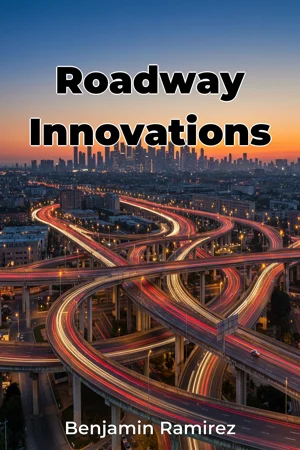
Have you ever considered the intricate engineering and innovative designs hidden beneath the surface of the roads we travel every day? "Roadway Innovations" delves into the groundbreaking advancements in smart roads, cutting-edge materials, and forward-thinking designs that are revolutionizing driving conditions and shaping the future of transportation infrastructure. These innovations are vital because they promise to enhance safety, improve efficiency, and foster sustainability within our increasingly complex transportation networks. This book explores the core concepts of intelligent transportation systems, advanced material science, and sustainable design principles as they apply to road construction and maintenance. Understanding the historical context of road building, from Roman roads to the modern asphalt highways, is essential to appreciating the current shift towards technologically advanced infrastructure. Readers should possess a general awareness of engineering principles and environmental concerns related to transportation. The central argument of "Roadway Innovations" is that the integration of smart technologies and sustainable materials into roadway design is not merely an incremental improvement but a fundamental paradigm shift necessary to meet the evolving demands of transportation in the 21st century. This shift is critical for mitigating traffic congestion, reducing environmental impact, and enhancing the overall driving experience. The book is structured to provide a comprehensive overview of these advancements. First, it introduces the fundamental concepts of smart road technology, including sensor networks, data analytics, and automated traffic management systems. Second, it examines the development and application of advanced materials such as self-healing concrete, recycled asphalt, and composite polymers that enhance durability and reduce maintenance. Third, it explores innovative design strategies focused on sustainability, including permeable pavements, green infrastructure integration, and optimized road geometry for improved safety and traffic flow. The culmination of the argument emphasizes the practical applications of these innovations and their potential to transform urban landscapes and regional connectivity. Throughout the book, evidence is drawn from case studies, experimental data, and real-world implementations of these technologies. Unique data sources include sensor data from operational smart road projects, laboratory testing results of advanced materials, and simulations evaluating the performance of innovative road designs. The methodologies employed involve statistical analysis, computer modeling, and comparative assessments of different technologies. "Roadway Innovations" also connects to several interdisciplinary fields, including urban planning, environmental science, and civil engineering. The integration of roadways within urban planning strategies highlights the importance of considering the broader impact of transportation infrastructure on community development. The environmental science perspective emphasizes the need for sustainable materials and design practices to minimize the environmental footprint of road construction and maintenance. Civil engineering provides the fundamental principles and methodologies for designing and constructing safe and durable roadways. This book offers a unique perspective by integrating technological advancements with sustainability principles, presenting a holistic approach to roadway design that considers both performance and environmental impact. The tone is informative and engaging, making complex technical concepts accessible to a broad audience. The target audience includes civil engineers, urban planners, policymakers, transportation professionals, and anyone interested in the future of transportation infrastructure. This book would be valuable to them by providing a comprehensive overview of the latest innovations and best practices in roadway design and construction. As a non-fiction work in the fields of architecture and technology, "Roadway Innovations" adheres to the conventions of presenting factual, evidence-based information in a clear and organized manner. The scope of the book is limited to the design, materials, and technologies directly related to roadways, excluding other modes of transportation such as rail or air. The information presented in "Roadway Innovations" can be applied practically by engineers and planners in the design and construction of new roadways, as well as the rehabilitation of existing infrastructure. It also informs policy decisions related to transportation funding and environmental regulations. The book also addresses the ongoing debates surrounding the costs and benefits of implementing smart road technologies, as well as the challenges of balancing performance with environmental sustainability.
Have you ever considered the intricate engineering and innovative designs hidden beneath the surface of the roads we travel every day? "Roadway Innovations" delves into the groundbreaking advancements in smart roads, cutting-edge materials, and forward-thinking designs that are revolutionizing driving conditions and shaping the future of transportation infrastructure. These innovations are vital because they promise to enhance safety, improve efficiency, and foster sustainability within our increasingly complex transportation networks. This book explores the core concepts of intelligent transportation systems, advanced material science, and sustainable design principles as they apply to road construction and maintenance. Understanding the historical context of road building, from Roman roads to the modern asphalt highways, is essential to appreciating the current shift towards technologically advanced infrastructure. Readers should possess a general awareness of engineering principles and environmental concerns related to transportation. The central argument of "Roadway Innovations" is that the integration of smart technologies and sustainable materials into roadway design is not merely an incremental improvement but a fundamental paradigm shift necessary to meet the evolving demands of transportation in the 21st century. This shift is critical for mitigating traffic congestion, reducing environmental impact, and enhancing the overall driving experience. The book is structured to provide a comprehensive overview of these advancements. First, it introduces the fundamental concepts of smart road technology, including sensor networks, data analytics, and automated traffic management systems. Second, it examines the development and application of advanced materials such as self-healing concrete, recycled asphalt, and composite polymers that enhance durability and reduce maintenance. Third, it explores innovative design strategies focused on sustainability, including permeable pavements, green infrastructure integration, and optimized road geometry for improved safety and traffic flow. The culmination of the argument emphasizes the practical applications of these innovations and their potential to transform urban landscapes and regional connectivity. Throughout the book, evidence is drawn from case studies, experimental data, and real-world implementations of these technologies. Unique data sources include sensor data from operational smart road projects, laboratory testing results of advanced materials, and simulations evaluating the performance of innovative road designs. The methodologies employed involve statistical analysis, computer modeling, and comparative assessments of different technologies. "Roadway Innovations" also connects to several interdisciplinary fields, including urban planning, environmental science, and civil engineering. The integration of roadways within urban planning strategies highlights the importance of considering the broader impact of transportation infrastructure on community development. The environmental science perspective emphasizes the need for sustainable materials and design practices to minimize the environmental footprint of road construction and maintenance. Civil engineering provides the fundamental principles and methodologies for designing and constructing safe and durable roadways. This book offers a unique perspective by integrating technological advancements with sustainability principles, presenting a holistic approach to roadway design that considers both performance and environmental impact. The tone is informative and engaging, making complex technical concepts accessible to a broad audience. The target audience includes civil engineers, urban planners, policymakers, transportation professionals, and anyone interested in the future of transportation infrastructure. This book would be valuable to them by providing a comprehensive overview of the latest innovations and best practices in roadway design and construction. As a non-fiction work in the fields of architecture and technology, "Roadway Innovations" adheres to the conventions of presenting factual, evidence-based information in a clear and organized manner. The scope of the book is limited to the design, materials, and technologies directly related to roadways, excluding other modes of transportation such as rail or air. The information presented in "Roadway Innovations" can be applied practically by engineers and planners in the design and construction of new roadways, as well as the rehabilitation of existing infrastructure. It also informs policy decisions related to transportation funding and environmental regulations. The book also addresses the ongoing debates surrounding the costs and benefits of implementing smart road technologies, as well as the challenges of balancing performance with environmental sustainability.
"Roadway Innovations" explores the cutting-edge advancements transforming our roads, focusing on smart technologies and sustainable designs. It highlights how intelligent transportation systems and advanced materials are paving the way for safer, more efficient, and environmentally friendly transportation networks. One intriguing fact is the development of self-healing concrete, which promises to significantly reduce road maintenance. Another is the increasing use of recycled asphalt, contributing to a more sustainable approach to road construction. The book examines the integration of sensor networks for real-time traffic management and the use of permeable pavements to manage stormwater runoff, reflecting a holistic approach to roadway design. It progresses from fundamental concepts to practical applications, showcasing real-world examples and data-driven insights. By combining technological innovations with sustainability, "Roadway Innovations" offers a unique and valuable perspective for civil engineers, urban planners, and anyone interested in the future of transportation infrastructure.
Book Details
ISBN
9788235262622
Publisher
Publifye AS
Your Licenses
You don't own any licenses for this book
Purchase a license below to unlock this book and download the EPUB.
Purchase License
Select a tier to unlock this book
Need bulk licensing?
Contact us for enterprise agreements.