
About This Book
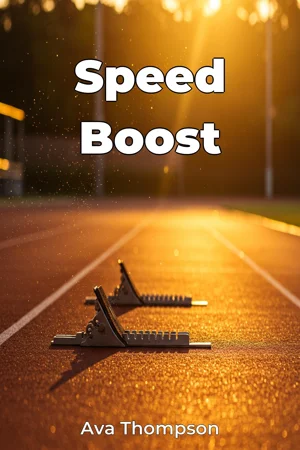
Are you ready to unlock your full athletic potential and leave the competition in the dust? "Speed Boost" is your comprehensive guide to maximizing sprinting speed and agility through proven training techniques and drills. This book delves deep into the science and practice of speed enhancement, providing a roadmap for athletes, coaches, and fitness enthusiasts to achieve measurable improvements. Two central pillars underpin athletic speed: biomechanics and targeted training. Understanding optimal movement patterns and how to generate force efficiently is the first step. The second involves implementing a structured training program that focuses on developing the specific muscles and neural pathways involved in sprinting and agility. "Speed Boost" meticulously examines both, offering practical strategies to refine form and build explosive power. While the pursuit of speed is age-old, modern sports science offers unprecedented insights. We’ll explore the evolution of sprint training methodologies, from traditional approaches to cutting-edge techniques informed by biomechanical analysis and neurophysiological research. No specialized prior knowledge is needed; the book will break down complex scientific concepts into accessible language. The core argument of "Speed Boost" is that significant gains in speed and agility are achievable with a scientifically sound and consistently applied training program. Generic fitness regimens are insufficient; targeted interventions designed to improve specific components of speed are essential. This book provides the tools and knowledge necessary to design and implement such programs. The book follows a logical progression. First, we'll introduce the fundamental principles of biomechanics, neurophysiology, and energy systems as they relate to sprinting. Next, the book will systematically explore specific training methodologies, including plyometrics, resistance training, and sprint drills. A dedicated section will focus on agility training, covering both linear and multi-directional movement patterns. Finally, the book culminates with guidance on program design, including periodization strategies and injury prevention protocols. "Speed Boost" draws upon a wide range of evidence, including peer-reviewed research articles, case studies of elite athletes, and data from biomechanical analyses. We'll present both quantitative data and qualitative observations to provide a balanced and comprehensive perspective and include information from leading experts in the field of speed and agility training. "Speed Boost" is not confined to the track or field. The principles discussed have connections to physiotherapy, emphasizing injury rehabilitation and prehabilitation; exercise physiology, concerning the body's response to exercise; and even cognitive science, where agility overlaps with decision-making and reaction time. These interdisciplinary connections enrich the understanding of speed enhancement and broaden the book's appeal. What sets "Speed Boost" apart is its holistic approach. It doesn’t just provide a list of drills; it explains the "why" behind each exercise, empowering readers to make informed decisions about their training. We emphasize the importance of individualization, recognizing that optimal training programs must be tailored to the athlete’s specific needs and goals. The tone throughout "Speed Boost" is informative, practical, and motivational. While grounded in scientific principles, the writing style remains accessible and engaging, avoiding jargon and technical complexities wherever possible. "Speed Boost" is targeted at athletes seeking to improve their performance in any sport requiring speed and agility; coaches looking for evidence-based training strategies; and fitness enthusiasts interested in understanding the science of speed. The book is valuable because it offers a practical, scientifically sound approach to speed enhancement that can be applied across a wide range of contexts. As a health and fitness book, "Speed Boost" adheres to principles of scientific accuracy, providing credible sources and avoiding unsubstantiated claims. It also offers practical guidance that readers can use to improve their physical performance. The scope of "Speed Boost" is focused on improving sprinting speed and agility. While strength and endurance are undoubtedly important for overall athletic performance, they are addressed only insofar as they directly contribute to speed. The information in "Speed Boost" can be applied in various real-world settings, from training for competitive sports to improving functional fitness for everyday life. Athletes can use the drills and exercises to enhance their game-day performance. Coaches can use the book to design more effective training programs. Fitness enthusiasts can use the principles to improve their overall athleticism. While the benefits of speed and agility training are widely accepted, there may be debates about the optimal training methodologies. This book will present different perspectives on these debates, providing readers with a balanced and nuanced understanding of the field.
Are you ready to unlock your full athletic potential and leave the competition in the dust? "Speed Boost" is your comprehensive guide to maximizing sprinting speed and agility through proven training techniques and drills. This book delves deep into the science and practice of speed enhancement, providing a roadmap for athletes, coaches, and fitness enthusiasts to achieve measurable improvements. Two central pillars underpin athletic speed: biomechanics and targeted training. Understanding optimal movement patterns and how to generate force efficiently is the first step. The second involves implementing a structured training program that focuses on developing the specific muscles and neural pathways involved in sprinting and agility. "Speed Boost" meticulously examines both, offering practical strategies to refine form and build explosive power. While the pursuit of speed is age-old, modern sports science offers unprecedented insights. We’ll explore the evolution of sprint training methodologies, from traditional approaches to cutting-edge techniques informed by biomechanical analysis and neurophysiological research. No specialized prior knowledge is needed; the book will break down complex scientific concepts into accessible language. The core argument of "Speed Boost" is that significant gains in speed and agility are achievable with a scientifically sound and consistently applied training program. Generic fitness regimens are insufficient; targeted interventions designed to improve specific components of speed are essential. This book provides the tools and knowledge necessary to design and implement such programs. The book follows a logical progression. First, we'll introduce the fundamental principles of biomechanics, neurophysiology, and energy systems as they relate to sprinting. Next, the book will systematically explore specific training methodologies, including plyometrics, resistance training, and sprint drills. A dedicated section will focus on agility training, covering both linear and multi-directional movement patterns. Finally, the book culminates with guidance on program design, including periodization strategies and injury prevention protocols. "Speed Boost" draws upon a wide range of evidence, including peer-reviewed research articles, case studies of elite athletes, and data from biomechanical analyses. We'll present both quantitative data and qualitative observations to provide a balanced and comprehensive perspective and include information from leading experts in the field of speed and agility training. "Speed Boost" is not confined to the track or field. The principles discussed have connections to physiotherapy, emphasizing injury rehabilitation and prehabilitation; exercise physiology, concerning the body's response to exercise; and even cognitive science, where agility overlaps with decision-making and reaction time. These interdisciplinary connections enrich the understanding of speed enhancement and broaden the book's appeal. What sets "Speed Boost" apart is its holistic approach. It doesn’t just provide a list of drills; it explains the "why" behind each exercise, empowering readers to make informed decisions about their training. We emphasize the importance of individualization, recognizing that optimal training programs must be tailored to the athlete’s specific needs and goals. The tone throughout "Speed Boost" is informative, practical, and motivational. While grounded in scientific principles, the writing style remains accessible and engaging, avoiding jargon and technical complexities wherever possible. "Speed Boost" is targeted at athletes seeking to improve their performance in any sport requiring speed and agility; coaches looking for evidence-based training strategies; and fitness enthusiasts interested in understanding the science of speed. The book is valuable because it offers a practical, scientifically sound approach to speed enhancement that can be applied across a wide range of contexts. As a health and fitness book, "Speed Boost" adheres to principles of scientific accuracy, providing credible sources and avoiding unsubstantiated claims. It also offers practical guidance that readers can use to improve their physical performance. The scope of "Speed Boost" is focused on improving sprinting speed and agility. While strength and endurance are undoubtedly important for overall athletic performance, they are addressed only insofar as they directly contribute to speed. The information in "Speed Boost" can be applied in various real-world settings, from training for competitive sports to improving functional fitness for everyday life. Athletes can use the drills and exercises to enhance their game-day performance. Coaches can use the book to design more effective training programs. Fitness enthusiasts can use the principles to improve their overall athleticism. While the benefits of speed and agility training are widely accepted, there may be debates about the optimal training methodologies. This book will present different perspectives on these debates, providing readers with a balanced and nuanced understanding of the field.
"Speed Boost" offers a comprehensive guide to enhancing sprinting speed and agility, targeting athletes, coaches, and fitness enthusiasts. It emphasizes the science-backed techniques and drills needed to achieve measurable athletic performance improvements. The book uniquely combines biomechanics with targeted training, highlighting that understanding movement patterns and developing explosive power are vital for speed enhancement. Did you know that modern sports science offers insights into sprint training methodologies using biomechanical analysis and neurophysiological research? This book breaks down complex concepts into accessible language, making it easy to understand the principles of speed. The core of "Speed Boost" argues that significant speed gains are achievable through consistent, scientifically sound training, moving beyond generic fitness regimens. It methodically progresses, starting with the fundamental principles of biomechanics and neurophysiology. The book then explores specific training methodologies such as plyometrics, resistance training, and sprint drills. A dedicated section focuses on agility, covering linear and multi-directional movements, culminating in program design with periodization and injury prevention strategies. This holistic approach explains the "why" behind each exercise, empowering informed training decisions. "Speed Boost" draws from research, elite athlete case studies, and biomechanical data, providing a balanced perspective. Its value lies in its practical, scientifically-backed approach applicable across contexts, from competitive sports training to improving functional fitness. By understanding and applying the principles outlined, readers can unlock their potential for speed and agility, leaving the competition behind.
Book Details
ISBN
9788235262363
Publisher
Publifye AS
Your Licenses
You don't own any licenses for this book
Purchase a license below to unlock this book and download the EPUB.
Purchase License
Select a tier to unlock this book
Need bulk licensing?
Contact us for enterprise agreements.