
About This Book
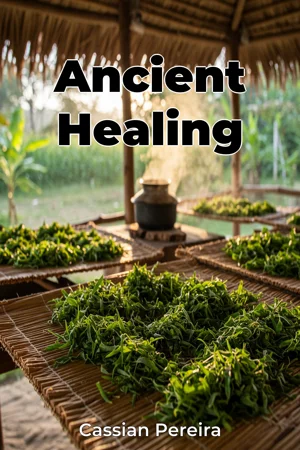
How much of modern medicine owes its foundations to ancient practices and forgotten wisdom? "Ancient Healing" delves into the rich tapestry of traditional indigenous medicine, exploring its profound impact on contemporary health and wellness practices. This book examines the key elements of these ancestral systems, focusing on the use of herbs, the significance of rituals, and the holistic approach to well-being that characterized these early medical traditions. Understanding these historical roots is crucial for a more complete and nuanced perspective on health and fitness today. The book is structured around three central themes. First, it dissects the pharmacopoeia of indigenous cultures, detailing the specific plants and natural substances used for healing, and their scientifically validated medicinal properties where available. Second, it examines the rituals and ceremonies that were integral to the healing process, exploring their psychological and physiological effects. Third, it emphasizes the holistic mindset that underpinned these practices—a perspective that considered the interconnectedness of mind, body, and spirit in maintaining health, thus offering a crucial contrast to the often-fragmented approach of modern medicine. "Ancient Healing" argues that many principles and practices of modern medicine have roots in the knowledge and experience of indigenous healers. This is not to romanticize the past, but to recognize the importance of traditional knowledge systems as a foundation upon which modern medicine has built. The book traces the evolution of specific remedies and techniques, showing how they have been adapted and integrated into contemporary healthcare. The book's structure provides a comprehensive exploration of these themes. It begins with an introduction to the core concepts of indigenous medicine, setting the stage for an overview of the various cultures and regions where these practices thrived. Subsequent sections are dedicated to the detailed analyses of herbal remedies, ritualistic healing practices, and the underlying holistic philosophies. Each section includes specific examples and case studies from different cultures around the world. The final chapters synthesize these elements, drawing conclusions about the enduring relevance of indigenous medicine and its potential for integration within modern healthcare systems. The arguments presented in "Ancient Healing" are supported by a diverse range of evidence, including ethnobotanical studies, historical records, anthropological research, and clinical trials where applicable. The book features insights from indigenous healers and scholars, offering first-hand perspectives on the practice and philosophy of traditional medicine. "Ancient Healing" also acknowledges its interdisciplinary nature, connecting to fields such as botany, anthropology, psychology, and religious studies. By examining the intersection of these disciplines, the book offers a more comprehensive understanding of the role of culture, belief, and environment in health and healing. This approach highlights the limitations of a purely biomedical perspective, advocating for a more integrated and holistic approach to patient care. This book takes a unique approach by presenting scientific findings alongside cultural insights, avoiding romanticized narratives and focusing on factual evidence. It critically examines both the strengths and limitations of indigenous practices, offering a balanced perspective on their relevance in the modern world. "Ancient Healing" aims to bridge the gap between traditional knowledge and contemporary science, fostering a more integrative approach to healthcare. The tone of "Ancient Healing" is academic yet accessible, designed to engage both healthcare professionals and general readers interested in alternative medicine and cultural history. The book avoids jargon and technical language whenever possible, making complex concepts understandable for a broad readership. The target audience includes healthcare professionals seeking to expand their knowledge of integrative medicine, students and researchers in related fields, and anyone interested in learning more about the history and cultural context of healing practices. This book will be valuable to readers who are interested in alternative and complementary medicine, ethnobotany, or the history of medicine. As a work of non-fiction, "Ancient Healing" adheres to the standards of scholarly research, with careful attention to accuracy, objectivity, and source citation. The book's scope is broad, covering a wide range of indigenous cultures and healing practices, but it also acknowledges the limitations of generalizability and the importance of cultural context. The information presented in "Ancient Healing" has practical implications for modern healthcare, as it can inform the development of new treatments and enhance the patient-provider relationship. By understanding the holistic principles of indigenous medicine, healthcare professionals can offer more personalized and culturally sensitive care. "Ancient Healing" also addresses existing controversies surrounding the use of traditional medicine, particularly regarding issues of safety, efficacy, and cultural appropriation. By acknowledging these debates and presenting evidence-based perspectives, the book aims to promote a more informed and responsible approach to the integration of indigenous practices within modern healthcare.
How much of modern medicine owes its foundations to ancient practices and forgotten wisdom? "Ancient Healing" delves into the rich tapestry of traditional indigenous medicine, exploring its profound impact on contemporary health and wellness practices. This book examines the key elements of these ancestral systems, focusing on the use of herbs, the significance of rituals, and the holistic approach to well-being that characterized these early medical traditions. Understanding these historical roots is crucial for a more complete and nuanced perspective on health and fitness today. The book is structured around three central themes. First, it dissects the pharmacopoeia of indigenous cultures, detailing the specific plants and natural substances used for healing, and their scientifically validated medicinal properties where available. Second, it examines the rituals and ceremonies that were integral to the healing process, exploring their psychological and physiological effects. Third, it emphasizes the holistic mindset that underpinned these practices—a perspective that considered the interconnectedness of mind, body, and spirit in maintaining health, thus offering a crucial contrast to the often-fragmented approach of modern medicine. "Ancient Healing" argues that many principles and practices of modern medicine have roots in the knowledge and experience of indigenous healers. This is not to romanticize the past, but to recognize the importance of traditional knowledge systems as a foundation upon which modern medicine has built. The book traces the evolution of specific remedies and techniques, showing how they have been adapted and integrated into contemporary healthcare. The book's structure provides a comprehensive exploration of these themes. It begins with an introduction to the core concepts of indigenous medicine, setting the stage for an overview of the various cultures and regions where these practices thrived. Subsequent sections are dedicated to the detailed analyses of herbal remedies, ritualistic healing practices, and the underlying holistic philosophies. Each section includes specific examples and case studies from different cultures around the world. The final chapters synthesize these elements, drawing conclusions about the enduring relevance of indigenous medicine and its potential for integration within modern healthcare systems. The arguments presented in "Ancient Healing" are supported by a diverse range of evidence, including ethnobotanical studies, historical records, anthropological research, and clinical trials where applicable. The book features insights from indigenous healers and scholars, offering first-hand perspectives on the practice and philosophy of traditional medicine. "Ancient Healing" also acknowledges its interdisciplinary nature, connecting to fields such as botany, anthropology, psychology, and religious studies. By examining the intersection of these disciplines, the book offers a more comprehensive understanding of the role of culture, belief, and environment in health and healing. This approach highlights the limitations of a purely biomedical perspective, advocating for a more integrated and holistic approach to patient care. This book takes a unique approach by presenting scientific findings alongside cultural insights, avoiding romanticized narratives and focusing on factual evidence. It critically examines both the strengths and limitations of indigenous practices, offering a balanced perspective on their relevance in the modern world. "Ancient Healing" aims to bridge the gap between traditional knowledge and contemporary science, fostering a more integrative approach to healthcare. The tone of "Ancient Healing" is academic yet accessible, designed to engage both healthcare professionals and general readers interested in alternative medicine and cultural history. The book avoids jargon and technical language whenever possible, making complex concepts understandable for a broad readership. The target audience includes healthcare professionals seeking to expand their knowledge of integrative medicine, students and researchers in related fields, and anyone interested in learning more about the history and cultural context of healing practices. This book will be valuable to readers who are interested in alternative and complementary medicine, ethnobotany, or the history of medicine. As a work of non-fiction, "Ancient Healing" adheres to the standards of scholarly research, with careful attention to accuracy, objectivity, and source citation. The book's scope is broad, covering a wide range of indigenous cultures and healing practices, but it also acknowledges the limitations of generalizability and the importance of cultural context. The information presented in "Ancient Healing" has practical implications for modern healthcare, as it can inform the development of new treatments and enhance the patient-provider relationship. By understanding the holistic principles of indigenous medicine, healthcare professionals can offer more personalized and culturally sensitive care. "Ancient Healing" also addresses existing controversies surrounding the use of traditional medicine, particularly regarding issues of safety, efficacy, and cultural appropriation. By acknowledging these debates and presenting evidence-based perspectives, the book aims to promote a more informed and responsible approach to the integration of indigenous practices within modern healthcare.
"Ancient Healing" explores the foundational role of indigenous medicine in shaping modern health practices. The book showcases how ancient cultures utilized herbal remedies and holistic approaches, some of which are now being validated by scientific research. These traditions often viewed health as an interconnected balance of mind, body, and spirit, a stark contrast to modern medicine's more fragmented approach. The book progresses by first introducing the core concepts, then detailing herbal remedies, ritualistic practices, and holistic philosophies from various cultures worldwide. By presenting both scientific findings and cultural insights, the book avoids romanticizing the past and offers a balanced perspective on the strengths and limitations of these ancient practices. Readers will gain a unique understanding of how traditional knowledge can potentially integrate with contemporary healthcare systems, fostering a more comprehensive and holistic approach to health and fitness.
Book Details
ISBN
9788235262127
Publisher
Publifye AS
Your Licenses
You don't own any licenses for this book
Purchase a license below to unlock this book and download the EPUB.
Purchase License
Select a tier to unlock this book
Need bulk licensing?
Contact us for enterprise agreements.