
About This Book
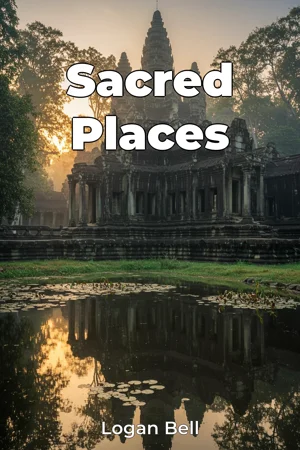
What makes a place sacred? Is it architectural grandeur, historical significance, or the intangible sense of spiritual connection felt by millions? "Sacred Places" explores these questions by taking you on a journey to the world’s most revered religious sites, from ancient temples to contemporary places of worship, offering insights into their history, cultural impact, and enduring power. This book examines the diverse expressions of faith and how they have shaped the physical landscape. Two key topics guide our exploration: first, the architecture and artistry that define sacred spaces, and how these elements reflect the beliefs and values of the communities that built them; second, the rituals, traditions, and personal experiences that give these places their spiritual significance, transforming them from mere structures into centers of pilgrimage and reflection. Understanding sacred places requires historical context. We delve into the origins of each site, tracing their evolution through centuries of change, conflict, and renewal. Social context is equally important, examining how these locations have influenced social structures, fostered community, and sometimes ignited controversy. While not requiring prior expertise in religious studies, readers will benefit from an open-minded approach to understanding diverse belief systems. The central argument of "Sacred Places" is that these sites are not just relics of the past, but living embodiments of faith that continue to shape human experience. They offer invaluable insights into the human quest for meaning, the power of belief, and the diverse ways in which cultures express their spiritual values. "Sacred Places" begins by introducing the concept of sacred space and its role in religious traditions worldwide. We then explore specific sites across various religions and geographical locations. Major sections include: * Ancient Temples and Sanctuaries: Examining sites like Angkor Wat, the Parthenon, and Machu Picchu, we analyze their architectural features and their role in ancient rituals. * Cathedrals and Churches: From Notre Dame to St. Peter's Basilica, we explore the history and artistry of Christian sacred spaces, and their impact on Western culture. * Mosques and Islamic Centers: Sites such as the Great Mosque of Mecca and the Blue Mosque of Istanbul offer insights into Islamic art, architecture, and religious practice. * Synagogues and Jewish Heritage Sites: Exploring the Western Wall, ancient synagogues, and other important locations in Jewish history and culture. * Eastern Shrines and Pilgrimage Sites: From the Golden Temple in Amritsar to Mount Kailash, we explore sacred places in Hinduism, Sikhism, Buddhism, and other Eastern religions, examining their unique traditions and beliefs. Each chapter presents historical accounts, architectural analyses, and personal narratives to illustrate the unique character of each site. The book draws upon archaeological findings, historical documents, and ethnographic studies to support its arguments. "Sacred Places" connects to various fields, linking religious studies with art history, architecture, and anthropology. This interdisciplinary approach provides a richer understanding of how sacred spaces reflect and shape human culture. The book adopts a global perspective with attention to detail, analyzing the cultural and architectural significance of each site. This comparative approach reveals both the unique characteristics of each tradition and common threads that unite humanity's spiritual aspirations. Written in a style accessible to the general reader, "Sacred Places" avoids academic jargon while maintaining intellectual rigor. It is aimed at anyone interested in travel, religion, history, or cultural studies. This book will appeal to those who want to deepen their understanding of the world's religions and the places that inspire faith. While "Sacred Places" aims to cover a broad range of religious sites, it is not an exhaustive encyclopedia. The selection of sites reflects an effort to showcase diversity and highlight locations with significant historical or cultural importance. The information presented in "Sacred Places" provides a framework for understanding and appreciating cultural heritage, promoting interfaith dialogue, and fostering a deeper sense of global citizenship. By understanding the values and beliefs that shape sacred spaces, readers can develop a greater appreciation for the diversity of human experience. This book addresses some ongoing debates about the preservation of religious sites in the face of modernization and conflict, as well as differing interpretations of their historical and religious significance.
What makes a place sacred? Is it architectural grandeur, historical significance, or the intangible sense of spiritual connection felt by millions? "Sacred Places" explores these questions by taking you on a journey to the world’s most revered religious sites, from ancient temples to contemporary places of worship, offering insights into their history, cultural impact, and enduring power. This book examines the diverse expressions of faith and how they have shaped the physical landscape. Two key topics guide our exploration: first, the architecture and artistry that define sacred spaces, and how these elements reflect the beliefs and values of the communities that built them; second, the rituals, traditions, and personal experiences that give these places their spiritual significance, transforming them from mere structures into centers of pilgrimage and reflection. Understanding sacred places requires historical context. We delve into the origins of each site, tracing their evolution through centuries of change, conflict, and renewal. Social context is equally important, examining how these locations have influenced social structures, fostered community, and sometimes ignited controversy. While not requiring prior expertise in religious studies, readers will benefit from an open-minded approach to understanding diverse belief systems. The central argument of "Sacred Places" is that these sites are not just relics of the past, but living embodiments of faith that continue to shape human experience. They offer invaluable insights into the human quest for meaning, the power of belief, and the diverse ways in which cultures express their spiritual values. "Sacred Places" begins by introducing the concept of sacred space and its role in religious traditions worldwide. We then explore specific sites across various religions and geographical locations. Major sections include: * Ancient Temples and Sanctuaries: Examining sites like Angkor Wat, the Parthenon, and Machu Picchu, we analyze their architectural features and their role in ancient rituals. * Cathedrals and Churches: From Notre Dame to St. Peter's Basilica, we explore the history and artistry of Christian sacred spaces, and their impact on Western culture. * Mosques and Islamic Centers: Sites such as the Great Mosque of Mecca and the Blue Mosque of Istanbul offer insights into Islamic art, architecture, and religious practice. * Synagogues and Jewish Heritage Sites: Exploring the Western Wall, ancient synagogues, and other important locations in Jewish history and culture. * Eastern Shrines and Pilgrimage Sites: From the Golden Temple in Amritsar to Mount Kailash, we explore sacred places in Hinduism, Sikhism, Buddhism, and other Eastern religions, examining their unique traditions and beliefs. Each chapter presents historical accounts, architectural analyses, and personal narratives to illustrate the unique character of each site. The book draws upon archaeological findings, historical documents, and ethnographic studies to support its arguments. "Sacred Places" connects to various fields, linking religious studies with art history, architecture, and anthropology. This interdisciplinary approach provides a richer understanding of how sacred spaces reflect and shape human culture. The book adopts a global perspective with attention to detail, analyzing the cultural and architectural significance of each site. This comparative approach reveals both the unique characteristics of each tradition and common threads that unite humanity's spiritual aspirations. Written in a style accessible to the general reader, "Sacred Places" avoids academic jargon while maintaining intellectual rigor. It is aimed at anyone interested in travel, religion, history, or cultural studies. This book will appeal to those who want to deepen their understanding of the world's religions and the places that inspire faith. While "Sacred Places" aims to cover a broad range of religious sites, it is not an exhaustive encyclopedia. The selection of sites reflects an effort to showcase diversity and highlight locations with significant historical or cultural importance. The information presented in "Sacred Places" provides a framework for understanding and appreciating cultural heritage, promoting interfaith dialogue, and fostering a deeper sense of global citizenship. By understanding the values and beliefs that shape sacred spaces, readers can develop a greater appreciation for the diversity of human experience. This book addresses some ongoing debates about the preservation of religious sites in the face of modernization and conflict, as well as differing interpretations of their historical and religious significance.
"Sacred Places" embarks on a global exploration of the world's most revered religious sites, examining how architecture, history, and spiritual connection converge. It delves into the artistry defining these spaces and the transformative rituals that elevate them to pilgrimage and reflection centers. Understanding these sites requires historical context, tracing their evolution through centuries, alongside examining their profound influence on social structures and community dynamics. The book progresses across chapters, each dedicated to a specific type of sacred space, from ancient temples like Angkor Wat, showcasing their role in ancient rituals, to the cathedrals of Christianity and the mosques of Islam. Eastern shrines, such as the Golden Temple, are also explored, highlighting the unique traditions of Eastern religions. What makes a place sacred? Is it the grandeur of the architecture, the weight of history, or the sense of spiritual connection? By interweaving historical accounts, architectural analyses, and personal narratives, "Sacred Places" emphasizes that these sites are not just relics of the past but vibrant embodiments of faith that continue to shape human experience. The book connects religious studies with art history, architecture, and anthropology, offering a richer understanding of how sacred spaces reflect and shape human culture. Ultimately, it provides invaluable insights into the human quest for meaning and the diverse ways cultures express their spiritual values.
Book Details
ISBN
9788235261946
Publisher
Publifye AS
Your Licenses
You don't own any licenses for this book
Purchase a license below to unlock this book and download the EPUB.
Purchase License
Select a tier to unlock this book
Need bulk licensing?
Contact us for enterprise agreements.