
About This Book
How did a technology initially designed for commerce become a critical weapon of war, shaping the outcomes of conflicts across the globe? "Railway Warfare" delves into the profound and multifaceted role of railroads in military history, exploring their strategic impact on logistics, troop deployments, and supply chains from the American Civil War to the era of modern armored trains. This book examines the complex relationship between railway technology and military strategy, highlighting how the effective utilization of rail networks often determined victory or defeat. Two main concepts are central to understanding this history. First, the book investigates the evolution of railway logistics. From the initial ad-hoc use of existing commercial lines to the construction of dedicated military railways, the ability to efficiently move troops, equipment, and supplies became a decisive factor in warfare. Second, "Railway Warfare" analyzes the vulnerability of railways as strategic targets and the corresponding development of defensive and offensive tactics, including armored trains, sabotage, and aerial interdiction. These topics are crucial because they reveal how technological adaptation constantly reshaped the nature of military operations. The context for this analysis is the Industrial Revolution and its transformative impact on warfare. The advent of steam power, mass production, and advanced metallurgy created new possibilities for military mobilization and supply. A basic understanding of military strategy and logistics would enrich the reader's experience, but the book provides sufficient background for those unfamiliar with these concepts. The central argument of "Railway Warfare" is that control and effective utilization of rail networks have consistently provided a significant strategic advantage in modern warfare, influencing the timing, scale, and ultimate outcome of conflicts. This argument is important because it challenges conventional narratives that focus solely on battlefield tactics and weaponry, revealing the vital role of infrastructure in military success. The book's structure begins with an introduction to the early use of railroads in military campaigns, specifically focusing on the American Civil War and the Franco-Prussian War. It then develops into major sections analyzing: 1) the expansion of military railway systems during the late 19th and early 20th centuries, including their role in colonial conflicts; 2) the critical importance of railways in both World Wars, examining logistical challenges and the development of specialized rail warfare tactics; and 3) the continued relevance of railways in post-World War II conflicts, including the use of armored trains and the impact of air power on railway vulnerability. The book culminates with an assessment of the current and future role of railways in military logistics, considering emerging technologies and geopolitical trends. The evidence presented in "Railway Warfare" draws from a variety of sources, including primary documents from military archives, engineering reports on railway construction, firsthand accounts from soldiers and railway workers, and statistical data on troop movements and supply volumes. Unique data sources include detailed maps of military railway networks and technical specifications of armored trains used in different conflicts. The book connects to other fields like economic history, transportation studies, and political science. The economic impact of railway construction on war economies, the engineering challenges of building and maintaining military railways, and the political considerations of railway control in occupied territories are all examined. These connections enrich the book's argument by providing a more comprehensive understanding of the relationship between railways and warfare. "Railway Warfare" offers a unique perspective by adopting a holistic approach that considers both the technical and strategic aspects of military railway operations. It avoids overly technical jargon and focuses on clear explanations of complex concepts. The target audience includes military history enthusiasts, railway enthusiasts, students of logistics and transportation, and anyone interested in the intersection of technology and warfare. The book would be valuable to them because it provides a fresh perspective on well-known conflicts and sheds light on a often-overlooked aspect of military history. As a work of military history, this book maintains a fact-based, analytical approach, presenting information in a clear and unbiased manner. It adheres to the conventions of historical scholarship, including proper citation and rigorous source analysis. The book's scope is limited to the military applications of railways, focusing primarily on land-based conflicts. It does not cover naval applications of railways, such as transporting materials to shipyards, in detail. The information in "Railway Warfare" can be applied practically by military strategists, transportation planners, and policymakers interested in understanding the vulnerabilities of critical infrastructure and the importance of logistical resilience. The book addresses ongoing debates about the relative importance of different modes of transportation in modern warfare and the effectiveness of various railway defense strategies. It contributes to these debates by providing a comprehensive historical analysis of the role of railways in military conflicts.
How did a technology initially designed for commerce become a critical weapon of war, shaping the outcomes of conflicts across the globe? "Railway Warfare" delves into the profound and multifaceted role of railroads in military history, exploring their strategic impact on logistics, troop deployments, and supply chains from the American Civil War to the era of modern armored trains. This book examines the complex relationship between railway technology and military strategy, highlighting how the effective utilization of rail networks often determined victory or defeat. Two main concepts are central to understanding this history. First, the book investigates the evolution of railway logistics. From the initial ad-hoc use of existing commercial lines to the construction of dedicated military railways, the ability to efficiently move troops, equipment, and supplies became a decisive factor in warfare. Second, "Railway Warfare" analyzes the vulnerability of railways as strategic targets and the corresponding development of defensive and offensive tactics, including armored trains, sabotage, and aerial interdiction. These topics are crucial because they reveal how technological adaptation constantly reshaped the nature of military operations. The context for this analysis is the Industrial Revolution and its transformative impact on warfare. The advent of steam power, mass production, and advanced metallurgy created new possibilities for military mobilization and supply. A basic understanding of military strategy and logistics would enrich the reader's experience, but the book provides sufficient background for those unfamiliar with these concepts. The central argument of "Railway Warfare" is that control and effective utilization of rail networks have consistently provided a significant strategic advantage in modern warfare, influencing the timing, scale, and ultimate outcome of conflicts. This argument is important because it challenges conventional narratives that focus solely on battlefield tactics and weaponry, revealing the vital role of infrastructure in military success. The book's structure begins with an introduction to the early use of railroads in military campaigns, specifically focusing on the American Civil War and the Franco-Prussian War. It then develops into major sections analyzing: 1) the expansion of military railway systems during the late 19th and early 20th centuries, including their role in colonial conflicts; 2) the critical importance of railways in both World Wars, examining logistical challenges and the development of specialized rail warfare tactics; and 3) the continued relevance of railways in post-World War II conflicts, including the use of armored trains and the impact of air power on railway vulnerability. The book culminates with an assessment of the current and future role of railways in military logistics, considering emerging technologies and geopolitical trends. The evidence presented in "Railway Warfare" draws from a variety of sources, including primary documents from military archives, engineering reports on railway construction, firsthand accounts from soldiers and railway workers, and statistical data on troop movements and supply volumes. Unique data sources include detailed maps of military railway networks and technical specifications of armored trains used in different conflicts. The book connects to other fields like economic history, transportation studies, and political science. The economic impact of railway construction on war economies, the engineering challenges of building and maintaining military railways, and the political considerations of railway control in occupied territories are all examined. These connections enrich the book's argument by providing a more comprehensive understanding of the relationship between railways and warfare. "Railway Warfare" offers a unique perspective by adopting a holistic approach that considers both the technical and strategic aspects of military railway operations. It avoids overly technical jargon and focuses on clear explanations of complex concepts. The target audience includes military history enthusiasts, railway enthusiasts, students of logistics and transportation, and anyone interested in the intersection of technology and warfare. The book would be valuable to them because it provides a fresh perspective on well-known conflicts and sheds light on a often-overlooked aspect of military history. As a work of military history, this book maintains a fact-based, analytical approach, presenting information in a clear and unbiased manner. It adheres to the conventions of historical scholarship, including proper citation and rigorous source analysis. The book's scope is limited to the military applications of railways, focusing primarily on land-based conflicts. It does not cover naval applications of railways, such as transporting materials to shipyards, in detail. The information in "Railway Warfare" can be applied practically by military strategists, transportation planners, and policymakers interested in understanding the vulnerabilities of critical infrastructure and the importance of logistical resilience. The book addresses ongoing debates about the relative importance of different modes of transportation in modern warfare and the effectiveness of various railway defense strategies. It contributes to these debates by providing a comprehensive historical analysis of the role of railways in military conflicts.
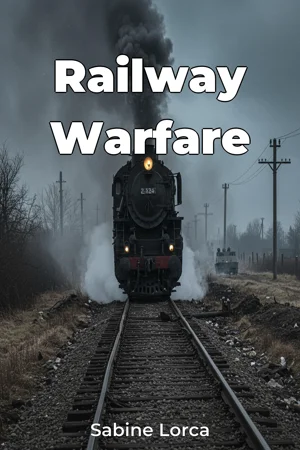
"Railway Warfare" examines the pivotal role of railways in military history, revealing how this technology, initially designed for commerce, became a critical weapon influencing conflict outcomes globally. The book emphasizes that effective railway utilization often determined victory or defeat, exploring how railways shaped military strategy through logistics, troop deployments, and supply chains. Intriguingly, the ability to efficiently move resources became a decisive factor, transforming ad-hoc use of commercial lines into dedicated military railways. The book analyzes the vulnerability of railways as strategic targets, covering the evolution of defensive and offensive tactics such as armored trains, sabotage, and aerial interdiction. Beginning with early uses in the American Civil War and the Franco-Prussian War, the narrative progresses to analyze the expansion of military railway systems in colonial conflicts, their importance in both World Wars, and their continued relevance post-World War II, including an assessment of current and future roles. This study adopts a holistic approach, blending technical and strategic perspectives, and shows how control of rail networks consistently provided a strategic advantage, influencing the scale and outcome of conflicts.
Book Details
ISBN
9788235261601
Publisher
Publifye AS
Your Licenses
You don't own any licenses for this book
Purchase a license below to unlock this book and download the EPUB.
Purchase License
Select a tier to unlock this book
Need bulk licensing?
Contact us for enterprise agreements.