
About This Book
What secrets lie buried beneath the enigmatic Oak Island, and what drove 18th-century engineers to construct such an elaborate and puzzling flood system? *Oak Island Pit* delves into the architectural and historical complexities of this Canadian mystery, combining archaeological findings, historical records, and engineering analyses to explore the sophisticated underground works that have captivated treasure hunters and researchers for centuries. This book focuses primarily on two key areas: the architectural design and construction of the Money Pit and associated flood tunnels, and the historical context surrounding their creation. Understanding these elements is crucial to deciphering the purpose of this ingenious, yet perplexing, engineering feat. The enduring mystery of Oak Island isn't just about potential treasure; it's about understanding the minds and capabilities of those who conceived and executed such an ambitious project. The historical context sets the stage, exploring the geopolitical landscape of the 1700s, including piracy, naval warfare, and potential societal or political motivations that might have spurred the construction of such a complex concealment system. While various theories exist, this book differentiates itself by analyzing the practical and engineering possibilities alongside the traditional treasure-hunting narratives. The central argument of *Oak Island Pit* is that understanding the engineering principles employed in the Money Pit's construction offers a more concrete avenue to unravel its purpose than speculative treasure narratives alone. By dissecting the mechanics of the flood tunnels, the design of the chambers, and the materials utilized, the book aims to provide tangible evidence to support a clearer understanding of the site's original intent, irrespective of whether it was intended for treasure or something altogether different. The book's structure unfolds in a logical progression. First, it introduces the Oak Island mystery, detailing the initial discovery and the subsequent attempts to excavate the Money Pit. Second, major sections are dedicated to analyzing the archaeological findings, examining physical evidence recovered from the site. This includes wood samples, tool marks, and structural components, which are analyzed to determine their age, origin, and function. The book then dives into the engineering aspects, with detailed diagrams and explanations of the flood system, exploring how it functioned and the technical expertise required for its construction. This section involves comparative analyses of similar engineering feats from the same era for context. Finally, the book integrates historical records, maps, and accounts to contextualize the findings within the 18th century. Evidence presented includes detailed archaeological reports, original documents related to early excavation attempts, and engineering analyses conducted using modern techniques, such as ground-penetrating radar and 3D modeling. Unique data sources include previously overlooked architectural plans and comparative studies of 18th-century drainage systems and fortifications. *Oak Island Pit* connects to several other fields, including maritime history, materials science, and cryptography (to the extent that codes or symbols are found on the site). Moreover, it indirectly touches upon the history of treasure hunting and its lasting impact on popular culture. These interdisciplinary connections provide a richer understanding of the Oak Island phenomenon. This book stands apart by offering a data-driven and analytical approach to the Oak Island mystery. Instead of simply recounting the history of the search, it dissects the physical evidence and applies engineering principles to reveal a more nuanced understanding of the site. The tone is objective and analytical, avoiding sensationalism and focusing on factual evidence and reasoned interpretations. The writing style is accessible to a broad audience with an interest in history, architecture, and engineering, while maintaining academic rigor. The target audience includes history enthusiasts, amateur archaeologists, and those with an interest in engineering and architectural mysteries. It will appeal to readers who appreciate a fact-based approach and are looking for a deeper understanding of the Oak Island mystery beyond popular myths. As a work of non-fiction history and architecture, the book adheres to standards of accuracy, transparency, and source citation. It acknowledges the limitations of existing evidence and avoids making unsubstantiated claims. The scope of *Oak Island Pit* is specifically focused on the Money Pit and its immediate surrounding structures. While it acknowledges the broader history of Oak Island and the various search efforts, its primary focus remains on the architectural and engineering aspects of the original construction. Understanding the engineering principles employed at Oak Island can inform modern-day construction and preservation techniques. Furthermore, the book highlights the importance of interdisciplinary approaches to solving historical mysteries, demonstrating how combining archaeology, history, and engineering can yield new insights. Throughout the book, various theories are considered and weighed against the available evidence, acknowledging the ongoing debates and unanswered questions surrounding the Oak Island mystery. The book does not aim to provide definitive answers but rather to offer a more informed and evidence-based perspective on this enduring enigma.
What secrets lie buried beneath the enigmatic Oak Island, and what drove 18th-century engineers to construct such an elaborate and puzzling flood system? *Oak Island Pit* delves into the architectural and historical complexities of this Canadian mystery, combining archaeological findings, historical records, and engineering analyses to explore the sophisticated underground works that have captivated treasure hunters and researchers for centuries. This book focuses primarily on two key areas: the architectural design and construction of the Money Pit and associated flood tunnels, and the historical context surrounding their creation. Understanding these elements is crucial to deciphering the purpose of this ingenious, yet perplexing, engineering feat. The enduring mystery of Oak Island isn't just about potential treasure; it's about understanding the minds and capabilities of those who conceived and executed such an ambitious project. The historical context sets the stage, exploring the geopolitical landscape of the 1700s, including piracy, naval warfare, and potential societal or political motivations that might have spurred the construction of such a complex concealment system. While various theories exist, this book differentiates itself by analyzing the practical and engineering possibilities alongside the traditional treasure-hunting narratives. The central argument of *Oak Island Pit* is that understanding the engineering principles employed in the Money Pit's construction offers a more concrete avenue to unravel its purpose than speculative treasure narratives alone. By dissecting the mechanics of the flood tunnels, the design of the chambers, and the materials utilized, the book aims to provide tangible evidence to support a clearer understanding of the site's original intent, irrespective of whether it was intended for treasure or something altogether different. The book's structure unfolds in a logical progression. First, it introduces the Oak Island mystery, detailing the initial discovery and the subsequent attempts to excavate the Money Pit. Second, major sections are dedicated to analyzing the archaeological findings, examining physical evidence recovered from the site. This includes wood samples, tool marks, and structural components, which are analyzed to determine their age, origin, and function. The book then dives into the engineering aspects, with detailed diagrams and explanations of the flood system, exploring how it functioned and the technical expertise required for its construction. This section involves comparative analyses of similar engineering feats from the same era for context. Finally, the book integrates historical records, maps, and accounts to contextualize the findings within the 18th century. Evidence presented includes detailed archaeological reports, original documents related to early excavation attempts, and engineering analyses conducted using modern techniques, such as ground-penetrating radar and 3D modeling. Unique data sources include previously overlooked architectural plans and comparative studies of 18th-century drainage systems and fortifications. *Oak Island Pit* connects to several other fields, including maritime history, materials science, and cryptography (to the extent that codes or symbols are found on the site). Moreover, it indirectly touches upon the history of treasure hunting and its lasting impact on popular culture. These interdisciplinary connections provide a richer understanding of the Oak Island phenomenon. This book stands apart by offering a data-driven and analytical approach to the Oak Island mystery. Instead of simply recounting the history of the search, it dissects the physical evidence and applies engineering principles to reveal a more nuanced understanding of the site. The tone is objective and analytical, avoiding sensationalism and focusing on factual evidence and reasoned interpretations. The writing style is accessible to a broad audience with an interest in history, architecture, and engineering, while maintaining academic rigor. The target audience includes history enthusiasts, amateur archaeologists, and those with an interest in engineering and architectural mysteries. It will appeal to readers who appreciate a fact-based approach and are looking for a deeper understanding of the Oak Island mystery beyond popular myths. As a work of non-fiction history and architecture, the book adheres to standards of accuracy, transparency, and source citation. It acknowledges the limitations of existing evidence and avoids making unsubstantiated claims. The scope of *Oak Island Pit* is specifically focused on the Money Pit and its immediate surrounding structures. While it acknowledges the broader history of Oak Island and the various search efforts, its primary focus remains on the architectural and engineering aspects of the original construction. Understanding the engineering principles employed at Oak Island can inform modern-day construction and preservation techniques. Furthermore, the book highlights the importance of interdisciplinary approaches to solving historical mysteries, demonstrating how combining archaeology, history, and engineering can yield new insights. Throughout the book, various theories are considered and weighed against the available evidence, acknowledging the ongoing debates and unanswered questions surrounding the Oak Island mystery. The book does not aim to provide definitive answers but rather to offer a more informed and evidence-based perspective on this enduring enigma.
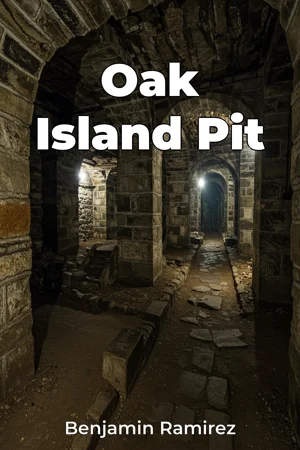
*Oak Island Pit* explores the enduring mystery of Oak Island, focusing on the sophisticated 18th-century engineering behind the infamous Money Pit and its intricate flood tunnels. Rather than solely focusing on the treasure hunt narrative, the book delves into the architectural design and historical context of the site, combining archaeological findings, historical records, and engineering analyses. The construction of the Money Pit involved impressive civil engineering for its time; some experts believe the flood tunnels were designed to protect something of great value, while others suggest a different purpose altogether. The book uniquely dissects the physical evidence, such as wood samples and structural components, to analyze the site's original intent. It argues that understanding the engineering principles employed is key to unraveling the mystery. The historical context explores potential motivations for such an elaborate system, considering the geopolitical landscape of the 1700s, including piracy and naval warfare. The book progresses logically, starting with an introduction to the Oak Island mystery and subsequent excavation attempts. It then analyzes archaeological findings and delves into the engineering aspects of the flood system, using detailed diagrams and comparative analyses. Finally, it integrates historical records and maps to contextualize the findings, offering a data-driven approach to this Canadian mystery that moves beyond speculative theories.
Book Details
ISBN
9788235261588
Publisher
Publifye AS
Your Licenses
You don't own any licenses for this book
Purchase a license below to unlock this book and download the EPUB.
Purchase License
Select a tier to unlock this book
Need bulk licensing?
Contact us for enterprise agreements.