
About This Book
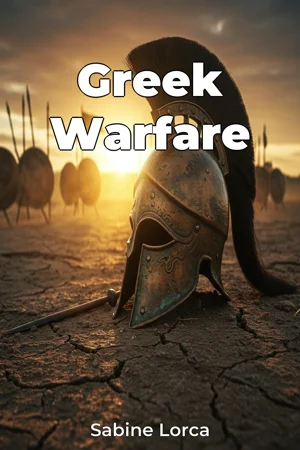
How did a collection of independent city-states forge a military legacy that continues to shape our understanding of warfare today? "Greek Warfare" delves into the intricate world of combat in ancient Greece, exploring the evolution of its armies, navies, and the strategies they employed to achieve both dominance and survival. This book examines not only the iconic hoplite and the phalanx formation but extends its reach to the often-overlooked aspects of naval engagements and siege warfare, providing a comprehensive view of Greek military prowess between the Archaic and Hellenistic periods. The book's significance lies in its exploration of the dynamic interplay between military innovation, societal values, and political realities. Understanding ancient Greek warfare is crucial because it laid the foundation for many Western military traditions and influenced the course of history. The strategies, tactics, and organizational structures developed by the Greeks were revolutionary for their time and continue to be studied in military academies worldwide. "Greek Warfare" systematically analyzes the development of Greek military institutions, from citizen-soldier armies to professional mercenary forces. It starts by introducing the fundamental concepts of Greek warfare, setting the stage with the emergence of the hoplite and the socio-political context in which the phalanx came to dominate the battlefield. The book then explores the evolution of weaponry, armor, and training methods, highlighting the diverse approaches adopted by different city-states such as Sparta and Athens. Moving beyond land warfare, it dedicates significant attention to the naval sphere, detailing the construction, tactics, and strategic importance of Greek fleets. The book also addresses the logistical challenges of ancient warfare, including supply chains, camp construction, and medical practices. The central argument is that Greek military success was not solely based on superior technology or brute force, but on a combination of adaptability, tactical innovation, and a deep understanding of the operational environment. The book provides evidence and research drawn from primary sources, including the writings of Herodotus, Thucydides, and Xenophon, alongside archaeological findings, to support this argument. It synthesizes textual accounts with material evidence to offer a balanced and nuanced perspective on ancient Greek warfare. Furthermore, "Greek Warfare" connects to various other fields of study, enriching the understanding of its core subject matter. It intersects with political history through its analysis of how military needs shaped political structures and vice versa. It connects to social history by examining the impact of warfare on Greek society, including the roles of women, slaves, and non-citizen combatants. It also engages with the history of technology through its detailed examination of weaponry and shipbuilding techniques. This book stands out for its holistic approach, its meticulous attention to both textual and material evidence, and its clear, accessible writing style. It is aimed at military history enthusiasts, students of ancient history, and anyone seeking a deeper understanding of the roots of Western military thought. "Greek Warfare" acknowledges some limitations. It focuses primarily on the major city-states and their well-documented campaigns, while recognizing that less is known about the military practices of smaller communities. Nevertheless, the insights into strategy, logistics, and the human dimension of combat can be applied to understand military operations across different periods and contexts. The book avoids sensationalizing or mythologizing ancient Greek warfare, focusing instead on providing a balanced and nuanced account based on thorough research and critical analysis. It addresses ongoing debates within the field such as the exact nature of the hoplite phalanx and the relative importance of different military arms, offering its own informed perspective. Ultimately, "Greek Warfare" delivers a solid and informative exploration of a pivotal period in military history.
How did a collection of independent city-states forge a military legacy that continues to shape our understanding of warfare today? "Greek Warfare" delves into the intricate world of combat in ancient Greece, exploring the evolution of its armies, navies, and the strategies they employed to achieve both dominance and survival. This book examines not only the iconic hoplite and the phalanx formation but extends its reach to the often-overlooked aspects of naval engagements and siege warfare, providing a comprehensive view of Greek military prowess between the Archaic and Hellenistic periods. The book's significance lies in its exploration of the dynamic interplay between military innovation, societal values, and political realities. Understanding ancient Greek warfare is crucial because it laid the foundation for many Western military traditions and influenced the course of history. The strategies, tactics, and organizational structures developed by the Greeks were revolutionary for their time and continue to be studied in military academies worldwide. "Greek Warfare" systematically analyzes the development of Greek military institutions, from citizen-soldier armies to professional mercenary forces. It starts by introducing the fundamental concepts of Greek warfare, setting the stage with the emergence of the hoplite and the socio-political context in which the phalanx came to dominate the battlefield. The book then explores the evolution of weaponry, armor, and training methods, highlighting the diverse approaches adopted by different city-states such as Sparta and Athens. Moving beyond land warfare, it dedicates significant attention to the naval sphere, detailing the construction, tactics, and strategic importance of Greek fleets. The book also addresses the logistical challenges of ancient warfare, including supply chains, camp construction, and medical practices. The central argument is that Greek military success was not solely based on superior technology or brute force, but on a combination of adaptability, tactical innovation, and a deep understanding of the operational environment. The book provides evidence and research drawn from primary sources, including the writings of Herodotus, Thucydides, and Xenophon, alongside archaeological findings, to support this argument. It synthesizes textual accounts with material evidence to offer a balanced and nuanced perspective on ancient Greek warfare. Furthermore, "Greek Warfare" connects to various other fields of study, enriching the understanding of its core subject matter. It intersects with political history through its analysis of how military needs shaped political structures and vice versa. It connects to social history by examining the impact of warfare on Greek society, including the roles of women, slaves, and non-citizen combatants. It also engages with the history of technology through its detailed examination of weaponry and shipbuilding techniques. This book stands out for its holistic approach, its meticulous attention to both textual and material evidence, and its clear, accessible writing style. It is aimed at military history enthusiasts, students of ancient history, and anyone seeking a deeper understanding of the roots of Western military thought. "Greek Warfare" acknowledges some limitations. It focuses primarily on the major city-states and their well-documented campaigns, while recognizing that less is known about the military practices of smaller communities. Nevertheless, the insights into strategy, logistics, and the human dimension of combat can be applied to understand military operations across different periods and contexts. The book avoids sensationalizing or mythologizing ancient Greek warfare, focusing instead on providing a balanced and nuanced account based on thorough research and critical analysis. It addresses ongoing debates within the field such as the exact nature of the hoplite phalanx and the relative importance of different military arms, offering its own informed perspective. Ultimately, "Greek Warfare" delivers a solid and informative exploration of a pivotal period in military history.
"Greek Warfare" explores the military history of ancient Greece, revealing how city-states like Athens and Sparta shaped Western military traditions. The book examines the evolution of Greek armies and navies, highlighting the hoplite phalanx's dominance and innovations in siege warfare. The book also analyzes how Greek military institutions developed, transitioning from citizen-soldier armies to professional mercenary forces. The book emphasizes that Greek military success stemmed from adaptability, tactical innovation, and understanding the operational environment, not just superior technology. For example, the development and strategic use of triremes significantly impacted naval warfare. The book synthesizes textual accounts from historians like Herodotus and archaeological findings, offering a balanced view of ancient Greek combat. Spanning from the Archaic to Hellenistic periods, the book progresses by first introducing fundamental concepts of Greek warfare, then exploring weaponry and training methods, and finally dedicating attention to naval power and logistical challenges. This approach provides military history enthusiasts and students of ancient history with a comprehensive understanding of a pivotal era.
Book Details
ISBN
9788235261434
Publisher
Publifye AS
Your Licenses
You don't own any licenses for this book
Purchase a license below to unlock this book and download the EPUB.
Purchase License
Select a tier to unlock this book
Need bulk licensing?
Contact us for enterprise agreements.