
About This Book
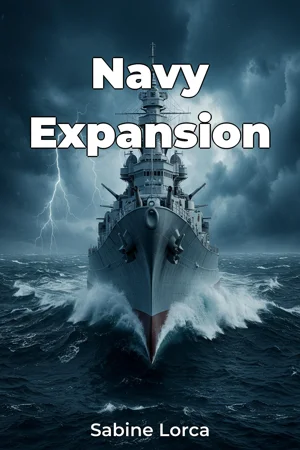
How did a fledgling fleet of wooden ships transform into the most formidable naval force the world has ever known? "Navy Expansion" delves into the multifaceted ascent of the U.S. Navy, charting its course from its humble beginnings to its current position as a global power. This book examines three critical and interwoven themes: the strategic importance of naval expansion in projecting American power, the role of naval forces in pivotal international conflicts, and the relentless push for technological superiority that has consistently redefined naval warfare. These themes are not merely historical footnotes; they are crucial for understanding America's evolving role on the world stage and the complex interplay between military might, technological innovation, and international relations. To grasp the navy's expansion, a foundational understanding of 19th and 20th-century geopolitics, industrial revolutions, and American foreign policy is beneficial. The book argues that the U.S. Navy's growth was not a linear progression but a series of calculated expansions driven by evolving national interests, technological opportunities, and the ever-present need to maintain a competitive edge against rival powers. This expansion, while contributing to American security and global influence, also raises ethical considerations regarding interventionism, maritime dominance, and the projection of force. "Navy Expansion" is structured to provide a comprehensive understanding of this evolution. It begins by examining the navy's nascent stages, exploring the strategic decisions that prompted early naval build-up. The book will then proceed chronologically, dedicating sections to key periods of expansion, such as the late 19th-century "New Navy" era, the two World Wars, and the Cold War naval arms race. Each section will analyze the prevailing geopolitical landscape, the technological advancements that drove naval development (from ironclads to aircraft carriers to nuclear submarines), and the specific conflicts or crises that tested the Navy's capabilities. Finally, the book culminates in an analysis of the post-Cold War Navy, its adaptation to new threats, and its ongoing pursuit of technological dominance in the 21st century. The book's analysis is grounded in extensive research, drawing upon primary sources such as naval archives, government documents, personal papers of naval officers and policymakers, and technical manuals. It also incorporates secondary scholarship from leading historians, political scientists, and naval strategists. Quantitative data, including ship tonnage, fleet sizes, and military expenditures, are used to illustrate the scale and scope of naval expansion. "Navy Expansion" connects to broader fields such as political science (examining power projection and international relations), economics (analyzing the economic impact of naval spending and shipbuilding), and technology studies (exploring the interplay between technological innovation and military strategy). The book offers a unique perspective by integrating technological, strategic, and political factors into a cohesive narrative, avoiding a purely military-centric approach. The writing style remains accessible to a broad audience while maintaining scholarly rigor. This book is aimed at readers interested in military history, naval strategy, American foreign policy, and the impact of technology on warfare. It will be valuable to students, researchers, policymakers, and anyone seeking a deeper understanding of the U.S. Navy's role in shaping the modern world. As a work of military history, the book adheres to conventions of accuracy, objectivity, and comprehensive analysis. The scope of "Navy Expansion" is intentionally broad, covering the entire history of the U.S. Navy. However, to maintain focus, it primarily emphasizes the strategic, technological, and political drivers of expansion, rather than providing detailed accounts of individual battles or naval operations. The information contained can be applied practically in understanding contemporary naval strategy, assessing the impact of new technologies on naval power, and evaluating the role of naval forces in international relations. Ongoing debates surrounding the appropriate size and composition of the U.S. Navy, its role in policing the seas, and the ethical implications of its global reach all find context and nuance within the book's historical analysis.
How did a fledgling fleet of wooden ships transform into the most formidable naval force the world has ever known? "Navy Expansion" delves into the multifaceted ascent of the U.S. Navy, charting its course from its humble beginnings to its current position as a global power. This book examines three critical and interwoven themes: the strategic importance of naval expansion in projecting American power, the role of naval forces in pivotal international conflicts, and the relentless push for technological superiority that has consistently redefined naval warfare. These themes are not merely historical footnotes; they are crucial for understanding America's evolving role on the world stage and the complex interplay between military might, technological innovation, and international relations. To grasp the navy's expansion, a foundational understanding of 19th and 20th-century geopolitics, industrial revolutions, and American foreign policy is beneficial. The book argues that the U.S. Navy's growth was not a linear progression but a series of calculated expansions driven by evolving national interests, technological opportunities, and the ever-present need to maintain a competitive edge against rival powers. This expansion, while contributing to American security and global influence, also raises ethical considerations regarding interventionism, maritime dominance, and the projection of force. "Navy Expansion" is structured to provide a comprehensive understanding of this evolution. It begins by examining the navy's nascent stages, exploring the strategic decisions that prompted early naval build-up. The book will then proceed chronologically, dedicating sections to key periods of expansion, such as the late 19th-century "New Navy" era, the two World Wars, and the Cold War naval arms race. Each section will analyze the prevailing geopolitical landscape, the technological advancements that drove naval development (from ironclads to aircraft carriers to nuclear submarines), and the specific conflicts or crises that tested the Navy's capabilities. Finally, the book culminates in an analysis of the post-Cold War Navy, its adaptation to new threats, and its ongoing pursuit of technological dominance in the 21st century. The book's analysis is grounded in extensive research, drawing upon primary sources such as naval archives, government documents, personal papers of naval officers and policymakers, and technical manuals. It also incorporates secondary scholarship from leading historians, political scientists, and naval strategists. Quantitative data, including ship tonnage, fleet sizes, and military expenditures, are used to illustrate the scale and scope of naval expansion. "Navy Expansion" connects to broader fields such as political science (examining power projection and international relations), economics (analyzing the economic impact of naval spending and shipbuilding), and technology studies (exploring the interplay between technological innovation and military strategy). The book offers a unique perspective by integrating technological, strategic, and political factors into a cohesive narrative, avoiding a purely military-centric approach. The writing style remains accessible to a broad audience while maintaining scholarly rigor. This book is aimed at readers interested in military history, naval strategy, American foreign policy, and the impact of technology on warfare. It will be valuable to students, researchers, policymakers, and anyone seeking a deeper understanding of the U.S. Navy's role in shaping the modern world. As a work of military history, the book adheres to conventions of accuracy, objectivity, and comprehensive analysis. The scope of "Navy Expansion" is intentionally broad, covering the entire history of the U.S. Navy. However, to maintain focus, it primarily emphasizes the strategic, technological, and political drivers of expansion, rather than providing detailed accounts of individual battles or naval operations. The information contained can be applied practically in understanding contemporary naval strategy, assessing the impact of new technologies on naval power, and evaluating the role of naval forces in international relations. Ongoing debates surrounding the appropriate size and composition of the U.S. Navy, its role in policing the seas, and the ethical implications of its global reach all find context and nuance within the book's historical analysis.
"Navy Expansion" explores the U.S. Navy's transformation from a modest fleet to a global maritime superpower. The book connects the Navy's growth to American foreign policy and technological advancements. Readers gain insight into how strategic decisions, like the late 19th-century "New Navy" era, and the need for technological superiority, such as the shift from ironclads to aircraft carriers, drove naval build-up. It emphasizes the interplay between military might and international relations, showing how naval power projects American influence. The book uniquely integrates technological, strategic, and political factors, avoiding a purely military-centric view. It examines the geopolitical landscape, technological advancements, and conflicts that tested the Navy's capabilities. Furthermore, the book addresses ethical considerations related to interventionism and maritime dominance. Beginning with the navy's nascent stages, the book progresses chronologically through key periods, including the World Wars, the Cold War, and the post-Cold War era. Each section analyzes the drivers of naval development. By drawing upon naval archives, government documents, and expert scholarship, "Navy Expansion" offers a comprehensive understanding of the U.S. Navy's role in shaping the modern world.
Book Details
ISBN
9788235261311
Publisher
Publifye AS
Your Licenses
You don't own any licenses for this book
Purchase a license below to unlock this book and download the EPUB.
Purchase License
Select a tier to unlock this book
Need bulk licensing?
Contact us for enterprise agreements.