
About This Book
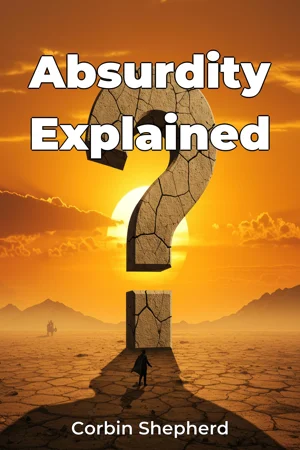
Why do we laugh at the darkest moments? "Absurdity Explained" delves into the multifaceted concept of absurdity and its pervasive influence on humor throughout history and in modern society. This book navigates the philosophical underpinnings of absurdity, tracing its evolution as a comedic tool and exploring its profound reflections on the human condition. Understanding absurdity is crucial for comprehending not only the evolution of humor but also the ways in which societies have grappled with existential questions and challenged established norms. The central argument of "Absurdity Explained" is that humor, at its most potent, often stems from the recognition and embrace of the absurd. This book posits that the ability to find humor in the face of the irrational not only provides comedic relief but also serves as a coping mechanism, a form of social commentary, and a catalyst for philosophical introspection. By examining how different cultures and eras have employed absurdity in their comedic expressions, we reveal its capacity to both reflect and shape societal values. This book unfolds in three major sections. The first section introduces the philosophical roots of absurdity, drawing from the works of thinkers like Albert Camus and Søren Kierkegaard. It defines absurdity as the conflict between humanity's innate desire for meaning and the apparent meaninglessness of the universe. We explore how this philosophical framework translates into comedic expression, setting the stage for later discussions. The second section provides a historical analysis of absurdity in humor, examining its presence in ancient satire, medieval jesting, and the works of early modern playwrights. Through carefully selected case studies, we reveal how societies used absurd humor to critique power structures, challenge religious dogmas, and address social anxieties. The third section focuses on contemporary applications of absurdity in humor, from stand-up comedy and television sitcoms to internet memes and viral videos. We consider how modern comedians and content creators use absurdity to comment on political polarization, technological advancements, and the complexities of contemporary life. The evidence presented in "Absurdity Explained" draws from a wide range of sources, including philosophical treatises, historical texts, comedic scripts, and cultural analyses. We incorporate both quantitative data, such as audience reception studies, and qualitative insights, such as close readings of comedic performances and written works. Our methodology emphasizes a rigorous examination of historical context, philosophical concepts, and cultural relevance. This book connects to several other fields of study. It intersects with sociology by examining how absurd humor reflects and influences social norms and power dynamics. It engages with psychology by exploring the cognitive and emotional processes involved in humor appreciation and the use of humor as a coping mechanism. Furthermore, it links to media studies by analyzing how different media formats shape the expression and reception of absurd humor. "Absurdity Explained" stands out by offering a comprehensive, interdisciplinary analysis of absurdity in humor, bridging historical perspectives with contemporary applications. The tone of the book is academic yet accessible, aiming to engage both scholars and general readers interested in understanding the complexities of humor and its role in shaping human experience. The target audience includes students and scholars of philosophy, history, media studies, and cultural studies, as well as anyone with an interest in humor and its capacity to illuminate the human condition. For this audience, the book provides a valuable resource for understanding the theoretical underpinnings of absurdity and its practical applications in the realm of humor. The scope of "Absurdity Explained" is broad, encompassing a wide range of historical periods, cultural contexts, and comedic forms. However, the book deliberately focuses on Western traditions of humor, acknowledging that other cultures may have distinct approaches to absurdity and comedic expression. While we touch on some cross-cultural examples, our primary emphasis is on providing a detailed analysis of the Western experience. The insights presented in "Absurdity Explained" have numerous real-world applications. Understanding the principles of absurd humor can help comedians and content creators craft more effective and engaging material. It can also enable individuals to better understand and appreciate the diverse forms of humor that surround them, fostering greater empathy and critical thinking skills. One ongoing debate in the field revolves around the question of whether absurd humor is inherently subversive or whether it can also serve to reinforce existing power structures. "Absurdity Explained" engages with this debate by exploring both the liberating and the potentially conservative aspects of absurd humor, acknowledging its capacity to challenge and to reinforce societal norms.
Why do we laugh at the darkest moments? "Absurdity Explained" delves into the multifaceted concept of absurdity and its pervasive influence on humor throughout history and in modern society. This book navigates the philosophical underpinnings of absurdity, tracing its evolution as a comedic tool and exploring its profound reflections on the human condition. Understanding absurdity is crucial for comprehending not only the evolution of humor but also the ways in which societies have grappled with existential questions and challenged established norms. The central argument of "Absurdity Explained" is that humor, at its most potent, often stems from the recognition and embrace of the absurd. This book posits that the ability to find humor in the face of the irrational not only provides comedic relief but also serves as a coping mechanism, a form of social commentary, and a catalyst for philosophical introspection. By examining how different cultures and eras have employed absurdity in their comedic expressions, we reveal its capacity to both reflect and shape societal values. This book unfolds in three major sections. The first section introduces the philosophical roots of absurdity, drawing from the works of thinkers like Albert Camus and Søren Kierkegaard. It defines absurdity as the conflict between humanity's innate desire for meaning and the apparent meaninglessness of the universe. We explore how this philosophical framework translates into comedic expression, setting the stage for later discussions. The second section provides a historical analysis of absurdity in humor, examining its presence in ancient satire, medieval jesting, and the works of early modern playwrights. Through carefully selected case studies, we reveal how societies used absurd humor to critique power structures, challenge religious dogmas, and address social anxieties. The third section focuses on contemporary applications of absurdity in humor, from stand-up comedy and television sitcoms to internet memes and viral videos. We consider how modern comedians and content creators use absurdity to comment on political polarization, technological advancements, and the complexities of contemporary life. The evidence presented in "Absurdity Explained" draws from a wide range of sources, including philosophical treatises, historical texts, comedic scripts, and cultural analyses. We incorporate both quantitative data, such as audience reception studies, and qualitative insights, such as close readings of comedic performances and written works. Our methodology emphasizes a rigorous examination of historical context, philosophical concepts, and cultural relevance. This book connects to several other fields of study. It intersects with sociology by examining how absurd humor reflects and influences social norms and power dynamics. It engages with psychology by exploring the cognitive and emotional processes involved in humor appreciation and the use of humor as a coping mechanism. Furthermore, it links to media studies by analyzing how different media formats shape the expression and reception of absurd humor. "Absurdity Explained" stands out by offering a comprehensive, interdisciplinary analysis of absurdity in humor, bridging historical perspectives with contemporary applications. The tone of the book is academic yet accessible, aiming to engage both scholars and general readers interested in understanding the complexities of humor and its role in shaping human experience. The target audience includes students and scholars of philosophy, history, media studies, and cultural studies, as well as anyone with an interest in humor and its capacity to illuminate the human condition. For this audience, the book provides a valuable resource for understanding the theoretical underpinnings of absurdity and its practical applications in the realm of humor. The scope of "Absurdity Explained" is broad, encompassing a wide range of historical periods, cultural contexts, and comedic forms. However, the book deliberately focuses on Western traditions of humor, acknowledging that other cultures may have distinct approaches to absurdity and comedic expression. While we touch on some cross-cultural examples, our primary emphasis is on providing a detailed analysis of the Western experience. The insights presented in "Absurdity Explained" have numerous real-world applications. Understanding the principles of absurd humor can help comedians and content creators craft more effective and engaging material. It can also enable individuals to better understand and appreciate the diverse forms of humor that surround them, fostering greater empathy and critical thinking skills. One ongoing debate in the field revolves around the question of whether absurd humor is inherently subversive or whether it can also serve to reinforce existing power structures. "Absurdity Explained" engages with this debate by exploring both the liberating and the potentially conservative aspects of absurd humor, acknowledging its capacity to challenge and to reinforce societal norms.
"Absurdity Explained" explores the concept of absurdity and its deep-seated influence on humor across history and modern society. It examines the philosophical roots of absurdity, particularly the conflict between our search for meaning and the apparent meaninglessness of the universe, as seen in the works of philosophers like Albert Camus. The book argues that humor born from the absurd acts as a coping mechanism and a form of social commentary. Did you know that absurd humor has been used to critique power structures and challenge societal norms throughout history? The book progresses by first establishing the philosophical basis, then moving into a historical analysis of absurdity in humor, from ancient satire to early modern plays. Finally, it delves into contemporary uses, such as stand-up comedy and internet memes, revealing how modern comedians use absurdity to comment on today's political and technological landscapes. By bridging historical perspectives with modern applications, this book provides unique insights into how societies use comedy to grapple with existential questions and established norms.
Book Details
ISBN
9788235261038
Publisher
Publifye AS
Your Licenses
You don't own any licenses for this book
Purchase a license below to unlock this book and download the EPUB.
Purchase License
Select a tier to unlock this book
Need bulk licensing?
Contact us for enterprise agreements.