
About This Book
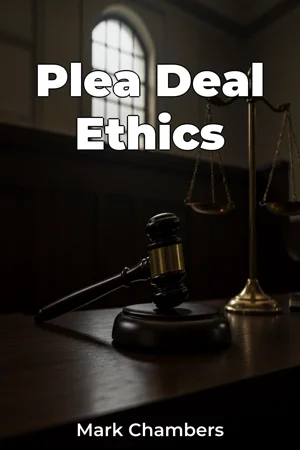
Do plea bargains represent justice, or merely a pragmatic concession within an overburdened legal system? "Plea Deal Ethics" dives deep into the complex moral and legal landscape surrounding plea agreements, examining their pervasive influence on the American justice system. This book critically analyzes the ethical quagmire created by the widespread use of plea deals, exploring issues of coercion and fairness. The book focuses on three core areas: the inherent power dynamics that pressure defendants into accepting plea deals, the fairness and equity of outcomes resulting from these agreements, and the impact of plea bargaining on courtroom efficiency. We will explore how the pursuit of efficiency can sometimes undermine the principles of justice. The significance of these topics lies in their direct bearing on the constitutional rights of the accused, the integrity of the legal process, and the public's confidence in the justice system. Historically, plea bargaining has evolved from a relatively infrequent occurrence to a dominant feature of the criminal justice system. Understanding this evolution is crucial to grasping the power it wields today. We examine how factors like increasing caseloads, limited resources, and “tough on crime” policies have contributed to the proliferation of plea deals. The central argument of "Plea Deal Ethics" is that the current system of plea bargaining, while seemingly efficient, often creates unjust outcomes due to inherent coercion and disparities in bargaining power. This argument is vital because it challenges the often-unquestioned acceptance of plea deals as a necessary evil, advocating for reforms that prioritize fairness and protect the rights of defendants. The book is structured to present a comprehensive overview of plea deal ethics. It begins with an introduction to the core concepts, defining plea bargaining and outlining its prevalence in the American legal system. It then develops its central argument through three major sections. Firstly, the book explores the coercive nature of plea deals, analyzing how prosecutorial discretion, mandatory minimum sentencing laws, and the threat of harsher penalties at trial can pressure defendants into accepting agreements, even if they are innocent. Secondly, it examines the fairness of outcomes, considering how factors such as race, socioeconomic status, and access to legal representation can influence the terms of plea agreements and result in unequal justice. Thirdly, the book analyzes the impact of plea bargaining on courtroom efficiency, weighing the benefits of reduced caseloads against the potential costs to due process and the accuracy of verdicts. Culminating with a discussion of potential reforms, the book proposes practical solutions designed to promote greater fairness and transparency in the plea bargaining process. The evidence presented in "Plea Deal Ethics" draws from a variety of sources, including legal scholarship, case law, statistical data on plea bargaining outcomes, and empirical studies on the experiences of defendants and legal professionals. Unique data sources, such as surveys of public defenders and analyses of plea agreements in specific jurisdictions, provide valuable insights into the realities of plea bargaining. The book connects to other fields such as sociology, criminology, and political science. Sociological perspectives help to understand how social inequalities influence plea bargaining outcomes. Criminological theories shed light on the motivations of offenders and the effectiveness of different sentencing strategies. Political science provides a framework for analyzing the role of power and policy in shaping the legal system. These connections enrich the book's argument by providing a broader context for understanding the ethical and practical challenges of plea bargaining. "Plea Deal Ethics" adopts a balanced and analytical approach, presenting information in a clear and accessible style. Without sacrificing academic rigor, it avoids legal jargon and complex terminology, making it accessible to a broad audience. The target audience includes legal professionals, policymakers, criminal justice students, and anyone interested in understanding the complexities of the American legal system. This book would be valuable to them because it offers a comprehensive overview of the ethical issues surrounding plea bargaining, providing them with the knowledge and insights needed to advocate for reforms and promote greater fairness in the criminal justice system. As a work in the 'Politics' and 'True Crime' genres, "Plea Deal Ethics" addresses the real-world implications of political policies on individual lives and the search for justice. The scope of the book is limited to the American legal system, although it may draw comparisons to plea bargaining practices in other countries. It does not delve into specific case studies in great detail but rather focuses on broader patterns and trends. The information presented can be applied practically by policymakers seeking to reform sentencing laws, legal professionals seeking to improve their advocacy skills, and citizens seeking to become more informed participants in the democratic process. The book addresses ongoing debates about the fairness and constitutionality of plea bargaining, acknowledging that there are differing perspectives on the role of plea deals in the American justice system. It aims to provide a nuanced and informed analysis of these debates, offering a framework for understanding the ethical complexities and promoting constructive dialogue.
Do plea bargains represent justice, or merely a pragmatic concession within an overburdened legal system? "Plea Deal Ethics" dives deep into the complex moral and legal landscape surrounding plea agreements, examining their pervasive influence on the American justice system. This book critically analyzes the ethical quagmire created by the widespread use of plea deals, exploring issues of coercion and fairness. The book focuses on three core areas: the inherent power dynamics that pressure defendants into accepting plea deals, the fairness and equity of outcomes resulting from these agreements, and the impact of plea bargaining on courtroom efficiency. We will explore how the pursuit of efficiency can sometimes undermine the principles of justice. The significance of these topics lies in their direct bearing on the constitutional rights of the accused, the integrity of the legal process, and the public's confidence in the justice system. Historically, plea bargaining has evolved from a relatively infrequent occurrence to a dominant feature of the criminal justice system. Understanding this evolution is crucial to grasping the power it wields today. We examine how factors like increasing caseloads, limited resources, and “tough on crime” policies have contributed to the proliferation of plea deals. The central argument of "Plea Deal Ethics" is that the current system of plea bargaining, while seemingly efficient, often creates unjust outcomes due to inherent coercion and disparities in bargaining power. This argument is vital because it challenges the often-unquestioned acceptance of plea deals as a necessary evil, advocating for reforms that prioritize fairness and protect the rights of defendants. The book is structured to present a comprehensive overview of plea deal ethics. It begins with an introduction to the core concepts, defining plea bargaining and outlining its prevalence in the American legal system. It then develops its central argument through three major sections. Firstly, the book explores the coercive nature of plea deals, analyzing how prosecutorial discretion, mandatory minimum sentencing laws, and the threat of harsher penalties at trial can pressure defendants into accepting agreements, even if they are innocent. Secondly, it examines the fairness of outcomes, considering how factors such as race, socioeconomic status, and access to legal representation can influence the terms of plea agreements and result in unequal justice. Thirdly, the book analyzes the impact of plea bargaining on courtroom efficiency, weighing the benefits of reduced caseloads against the potential costs to due process and the accuracy of verdicts. Culminating with a discussion of potential reforms, the book proposes practical solutions designed to promote greater fairness and transparency in the plea bargaining process. The evidence presented in "Plea Deal Ethics" draws from a variety of sources, including legal scholarship, case law, statistical data on plea bargaining outcomes, and empirical studies on the experiences of defendants and legal professionals. Unique data sources, such as surveys of public defenders and analyses of plea agreements in specific jurisdictions, provide valuable insights into the realities of plea bargaining. The book connects to other fields such as sociology, criminology, and political science. Sociological perspectives help to understand how social inequalities influence plea bargaining outcomes. Criminological theories shed light on the motivations of offenders and the effectiveness of different sentencing strategies. Political science provides a framework for analyzing the role of power and policy in shaping the legal system. These connections enrich the book's argument by providing a broader context for understanding the ethical and practical challenges of plea bargaining. "Plea Deal Ethics" adopts a balanced and analytical approach, presenting information in a clear and accessible style. Without sacrificing academic rigor, it avoids legal jargon and complex terminology, making it accessible to a broad audience. The target audience includes legal professionals, policymakers, criminal justice students, and anyone interested in understanding the complexities of the American legal system. This book would be valuable to them because it offers a comprehensive overview of the ethical issues surrounding plea bargaining, providing them with the knowledge and insights needed to advocate for reforms and promote greater fairness in the criminal justice system. As a work in the 'Politics' and 'True Crime' genres, "Plea Deal Ethics" addresses the real-world implications of political policies on individual lives and the search for justice. The scope of the book is limited to the American legal system, although it may draw comparisons to plea bargaining practices in other countries. It does not delve into specific case studies in great detail but rather focuses on broader patterns and trends. The information presented can be applied practically by policymakers seeking to reform sentencing laws, legal professionals seeking to improve their advocacy skills, and citizens seeking to become more informed participants in the democratic process. The book addresses ongoing debates about the fairness and constitutionality of plea bargaining, acknowledging that there are differing perspectives on the role of plea deals in the American justice system. It aims to provide a nuanced and informed analysis of these debates, offering a framework for understanding the ethical complexities and promoting constructive dialogue.
"Plea Deal Ethics" delves into the ethical complexities of plea bargaining within the American criminal justice system, where over 90% of criminal cases are resolved through plea deals. It examines the inherent power dynamics that can pressure defendants, even innocent ones, to accept agreements, questioning if the pursuit of courtroom efficiency undermines the principles of justice and constitutional rights. The book highlights how factors like mandatory minimum sentencing and prosecutorial discretion can lead to coercion. The book progresses by first introducing core concepts and then exploring the coercive nature of plea deals, the fairness of outcomes considering factors like race and socioeconomic status, and the impact on courtroom efficiency. It's unique value lies in its balanced analysis, drawing from legal scholarship, case law, and empirical studies to offer a comprehensive overview accessible to legal professionals, students, and anyone interested in the intersection of politics and true crime. Ultimately, the book advocates for reforms that prioritize fairness and protect defendants' rights within the legal system.
Book Details
ISBN
9788235260895
Publisher
Publifye AS
Your Licenses
You don't own any licenses for this book
Purchase a license below to unlock this book and download the EPUB.
Purchase License
Select a tier to unlock this book
Need bulk licensing?
Contact us for enterprise agreements.