
About This Book
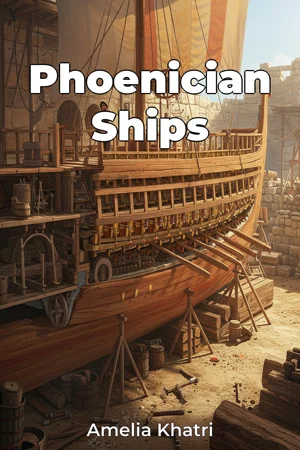
Did the Phoenicians, a relatively small civilization, truly hold the key to unlocking the ancient world's maritime trade routes? "Phoenician Ships: How Innovation at Sea Forged an Empire of Trade" delves into the groundbreaking shipbuilding techniques developed by the Phoenicians, revealing how these innovations enabled them to dominate commerce across the Mediterranean Sea and establish a network of far-reaching colonies. This book examines the evolution of Phoenician naval architecture, the economic and political impact of their maritime prowess, and the enduring legacy of their shipbuilding technologies. This study is crucial for understanding the dynamics of ancient economies and the cultural exchange that occurred through maritime trade. It sheds light on how a small group of people, through technological innovation, could exert influence far beyond their geographical borders. Moreover, the book delves into how Phoenician advancements influenced subsequent cultures and shipbuilding traditions. To fully appreciate the Phoenician achievement, the book provides a comprehensive historical context, examining the political landscape of the ancient Near East and the Mediterranean. It will describe the challenges the Phoenicians faced, including limited natural resources and competing empires, and how their mastery of the sea allowed them to overcome these obstacles. No prior knowledge of nautical history is required; all necessary background information will be provided. The central argument is that Phoenician shipbuilding was not merely a technological advancement but a strategic imperative that shaped their civilization and the course of Mediterranean history. The Phoenicians' unique combination of design ingenuity, resourcefulness, and navigational skill allowed them to create ships that were faster, more durable, and more capable than those of their rivals, securing their dominance in maritime trade. The book is structured to guide the reader through a comprehensive exploration of this argument. It begins with an introduction to the Phoenician civilization and its geographical context, followed by a detailed examination of their different ship types, including the bireme and merchant vessels. Chapters will explore the construction methods, materials used (such as Lebanese cedar), and the design features that made Phoenician ships superior. The book then investigates the economic implications of Phoenician maritime dominance, including their trade routes, the goods they traded (purple dye, timber, and manufactured goods), and their colonial ventures. A chapter is dedicated to the social and cultural impact of Phoenician seafaring, revealing how their maritime activities influenced everything from their religious beliefs to their artistic expression. The book culminates by analyzing the lasting legacy of Phoenician shipbuilding and its influence on later naval traditions, including those of the Greeks and Romans. The conclusions drawn in this book are based on a variety of sources, including archaeological evidence from shipwrecks and harbor sites, analysis of ancient texts from Phoenician and neighboring cultures, and iconographic representations of ships in art and inscriptions. Comparative analysis with shipbuilding technologies of other contemporary civilizations is also used to highlight the unique aspects of the Phoenician approach. This work bridges several disciplines, connecting history, archaeology, and nautical engineering. It also touches upon aspects of economics and cultural studies. By examining Phoenician shipbuilding through multiple lenses, the book offers a holistic understanding of its significance. This book offers a unique perspective by integrating archaeological findings with historical accounts to reconstruct the complete picture of Phoenician maritime capabilities. It moves beyond simply describing the ships to examine how their design and use were intertwined with the social, economic, and political aspects of Phoenician society. Written in a clear and accessible style, the book aims to engage both academic scholars and general readers interested in ancient history, maritime history, and technological innovation. It presents complex technical information in an understandable manner, avoiding jargon where possible and providing illustrations and diagrams to aid comprehension. The primary audience is history enthusiasts, archaeology buffs, naval history aficionados, and students studying ancient Mediterranean civilizations. This book provides valuable insights into a pivotal period in history and offers a fresh perspective on the role of technology in shaping societies. Adhering to the conventions of historical non-fiction, this book relies on verifiable evidence and rigorous analysis to support its claims. It presents a balanced and nuanced account, acknowledging the limitations of the available evidence and considering alternative interpretations. While the book focuses primarily on Phoenician shipbuilding and its impact on the Mediterranean, it acknowledges that Phoenician influence extended beyond this region. However, a detailed analysis of their interactions with cultures outside the Mediterranean is beyond the scope of this work. The knowledge gained from this book has several real-world applications. Understanding how the Phoenicians leveraged shipbuilding to create economic and political power can provide insights into contemporary issues of trade, globalization, and technological innovation. The challenges they faced and the solutions they developed offer valuable lessons for modern societies navigating a complex and interconnected world. The book addresses the ongoing debates surrounding the reconstruction of ancient ships and the interpretation of archaeological evidence. It acknowledges the uncertainties involved and presents different perspectives on these issues, encouraging critical thinking and further investigation.
Did the Phoenicians, a relatively small civilization, truly hold the key to unlocking the ancient world's maritime trade routes? "Phoenician Ships: How Innovation at Sea Forged an Empire of Trade" delves into the groundbreaking shipbuilding techniques developed by the Phoenicians, revealing how these innovations enabled them to dominate commerce across the Mediterranean Sea and establish a network of far-reaching colonies. This book examines the evolution of Phoenician naval architecture, the economic and political impact of their maritime prowess, and the enduring legacy of their shipbuilding technologies. This study is crucial for understanding the dynamics of ancient economies and the cultural exchange that occurred through maritime trade. It sheds light on how a small group of people, through technological innovation, could exert influence far beyond their geographical borders. Moreover, the book delves into how Phoenician advancements influenced subsequent cultures and shipbuilding traditions. To fully appreciate the Phoenician achievement, the book provides a comprehensive historical context, examining the political landscape of the ancient Near East and the Mediterranean. It will describe the challenges the Phoenicians faced, including limited natural resources and competing empires, and how their mastery of the sea allowed them to overcome these obstacles. No prior knowledge of nautical history is required; all necessary background information will be provided. The central argument is that Phoenician shipbuilding was not merely a technological advancement but a strategic imperative that shaped their civilization and the course of Mediterranean history. The Phoenicians' unique combination of design ingenuity, resourcefulness, and navigational skill allowed them to create ships that were faster, more durable, and more capable than those of their rivals, securing their dominance in maritime trade. The book is structured to guide the reader through a comprehensive exploration of this argument. It begins with an introduction to the Phoenician civilization and its geographical context, followed by a detailed examination of their different ship types, including the bireme and merchant vessels. Chapters will explore the construction methods, materials used (such as Lebanese cedar), and the design features that made Phoenician ships superior. The book then investigates the economic implications of Phoenician maritime dominance, including their trade routes, the goods they traded (purple dye, timber, and manufactured goods), and their colonial ventures. A chapter is dedicated to the social and cultural impact of Phoenician seafaring, revealing how their maritime activities influenced everything from their religious beliefs to their artistic expression. The book culminates by analyzing the lasting legacy of Phoenician shipbuilding and its influence on later naval traditions, including those of the Greeks and Romans. The conclusions drawn in this book are based on a variety of sources, including archaeological evidence from shipwrecks and harbor sites, analysis of ancient texts from Phoenician and neighboring cultures, and iconographic representations of ships in art and inscriptions. Comparative analysis with shipbuilding technologies of other contemporary civilizations is also used to highlight the unique aspects of the Phoenician approach. This work bridges several disciplines, connecting history, archaeology, and nautical engineering. It also touches upon aspects of economics and cultural studies. By examining Phoenician shipbuilding through multiple lenses, the book offers a holistic understanding of its significance. This book offers a unique perspective by integrating archaeological findings with historical accounts to reconstruct the complete picture of Phoenician maritime capabilities. It moves beyond simply describing the ships to examine how their design and use were intertwined with the social, economic, and political aspects of Phoenician society. Written in a clear and accessible style, the book aims to engage both academic scholars and general readers interested in ancient history, maritime history, and technological innovation. It presents complex technical information in an understandable manner, avoiding jargon where possible and providing illustrations and diagrams to aid comprehension. The primary audience is history enthusiasts, archaeology buffs, naval history aficionados, and students studying ancient Mediterranean civilizations. This book provides valuable insights into a pivotal period in history and offers a fresh perspective on the role of technology in shaping societies. Adhering to the conventions of historical non-fiction, this book relies on verifiable evidence and rigorous analysis to support its claims. It presents a balanced and nuanced account, acknowledging the limitations of the available evidence and considering alternative interpretations. While the book focuses primarily on Phoenician shipbuilding and its impact on the Mediterranean, it acknowledges that Phoenician influence extended beyond this region. However, a detailed analysis of their interactions with cultures outside the Mediterranean is beyond the scope of this work. The knowledge gained from this book has several real-world applications. Understanding how the Phoenicians leveraged shipbuilding to create economic and political power can provide insights into contemporary issues of trade, globalization, and technological innovation. The challenges they faced and the solutions they developed offer valuable lessons for modern societies navigating a complex and interconnected world. The book addresses the ongoing debates surrounding the reconstruction of ancient ships and the interpretation of archaeological evidence. It acknowledges the uncertainties involved and presents different perspectives on these issues, encouraging critical thinking and further investigation.
"Phoenician Ships: How Innovation at Sea Forged an Empire of Trade" explores how this civilization achieved maritime dominance through groundbreaking shipbuilding. The Phoenicians, despite their relatively small population, leveraged technological advancements in naval architecture to establish extensive trade routes and far-reaching colonies across the Mediterranean. Discover how their mastery allowed them to overcome limited natural resources and competing empires, influencing economies and cultural exchanges throughout the ancient world. The book delves into various ship types, including the bireme and merchant vessels, examining construction methods and materials like Lebanese cedar. It progresses from introducing Phoenician civilization and its geographical context to analyzing the economic and sociocultural impacts of their maritime prowess. This approach, integrating archaeological findings with historical accounts, provides a comprehensive picture of how ship design intertwined with the social, economic, and political aspects of Phoenician society, offering valuable insights into ancient shipbuilding and trade.
Book Details
ISBN
9788235260727
Publisher
Publifye AS
Your Licenses
You don't own any licenses for this book
Purchase a license below to unlock this book and download the EPUB.
Purchase License
Select a tier to unlock this book
Need bulk licensing?
Contact us for enterprise agreements.