
About This Book
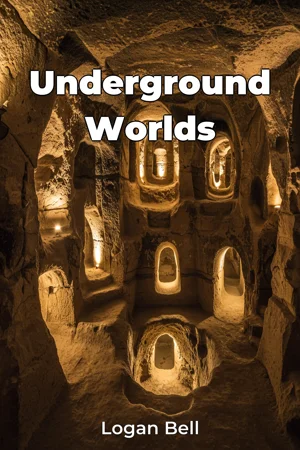
Have you ever wondered what lies beneath our feet, hidden from plain sight? "Underground Worlds" delves into the shadowy realms of subterranean cities, secret tunnels, and fortified bunkers, exploring the motivations and ingenuity behind their creation. This book aims to unearth these hidden structures and reveal their fascinating stories, spanning historical events and human innovation. This exploration is significant because it sheds light on past civilizations' survival strategies, technological advancements, and sociopolitical dynamics. For instance, the construction of underground cities like Derinkuyu in Turkey offers insights into communities' responses to external threats, while the creation of Cold War bunkers reveals the anxieties of a nuclear age. We will explore the historical context surrounding these underground constructions, examining the social and political climates that prompted their creation. Understanding the challenges and resources available during different periods is crucial for appreciating the scale and complexity of these projects. For example, we examine the historical context that includes but isn't limited to: times of war, religious persecution, and environmental catastrophes. The central argument of "Underground Worlds" is that these subterranean structures are not merely relics of the past, but testaments to human resilience and adaptability. They represent strategic efforts to overcome adversity, showcasing our innate drive to survive and thrive, even in the face of great challenges. The book is structured to provide a comprehensive overview of underground structures across the globe. The narrative begins by introducing fundamental concepts of subterranean architecture and the diverse purposes these spaces serve, from refuge and storage to transportation and defense. Major sections of the book include: a) Examples of ancient underground cities like those in Cappadocia, Turkey, detailing their construction, societal function, and abandonment. b) Focusing on the covert construction of tunnel systems during wartime, such as the Cu Chi tunnels in Vietnam, analyzing their strategic role and impact on military campaigns. c) Exploring the modern phenomenon of survival bunkers and underground data centers, discussing their design, technology, and the societal anxieties that drive their creation. The evidence presented throughout the book draws from primary source accounts, archaeological findings, architectural plans, and engineering reports. We delve into newly released information and combine it with firsthand accounts when available. This combination allows for a comprehensive portrait of each subject. "Underground Worlds" bridges several academic disciplines, including history, archaeology, and architecture. The book also connects to fields like political science, as the construction of many underground facilities was directly influenced by geopolitical tensions. These interdisciplinary connections provide a more enriched understanding of the subject matter. This book offers a unique perspective by examining how these underground spaces reflect broader societal trends and anxieties. Rather than simply cataloging these structures, it seeks to understand the human motivations behind their creation. The writing style is accessible and engaging, employing narrative storytelling to bring history to life while maintaining a commitment to factual accuracy. The target audience includes history enthusiasts, travelers interested in unusual destinations, architects, urban planners, and anyone fascinated by hidden or forgotten places. Readers will find value in the book by gaining a deeper understanding of the ingenuity and resourcefulness of past and present societies. As a work of non-fiction, this book adheres to rigorous standards of research and accuracy. The scope is intentionally broad, covering diverse examples of underground structures across different time periods and geographical regions, although it does not delve into speculative or fictional accounts. Readers can apply the knowledge gained from this book to better understand the challenges faced by different societies throughout history and appreciate the creative solutions they developed. Furthermore, insights into the design and functionality of these underground structures can inform contemporary approaches to sustainable living, disaster preparedness, and urban planning. While exploring topics such as Cold War bunkers, the book addresses ongoing debates surrounding nuclear deterrence and the ethics of mass survival strategies. It is based on facts, not opinions.
Have you ever wondered what lies beneath our feet, hidden from plain sight? "Underground Worlds" delves into the shadowy realms of subterranean cities, secret tunnels, and fortified bunkers, exploring the motivations and ingenuity behind their creation. This book aims to unearth these hidden structures and reveal their fascinating stories, spanning historical events and human innovation. This exploration is significant because it sheds light on past civilizations' survival strategies, technological advancements, and sociopolitical dynamics. For instance, the construction of underground cities like Derinkuyu in Turkey offers insights into communities' responses to external threats, while the creation of Cold War bunkers reveals the anxieties of a nuclear age. We will explore the historical context surrounding these underground constructions, examining the social and political climates that prompted their creation. Understanding the challenges and resources available during different periods is crucial for appreciating the scale and complexity of these projects. For example, we examine the historical context that includes but isn't limited to: times of war, religious persecution, and environmental catastrophes. The central argument of "Underground Worlds" is that these subterranean structures are not merely relics of the past, but testaments to human resilience and adaptability. They represent strategic efforts to overcome adversity, showcasing our innate drive to survive and thrive, even in the face of great challenges. The book is structured to provide a comprehensive overview of underground structures across the globe. The narrative begins by introducing fundamental concepts of subterranean architecture and the diverse purposes these spaces serve, from refuge and storage to transportation and defense. Major sections of the book include: a) Examples of ancient underground cities like those in Cappadocia, Turkey, detailing their construction, societal function, and abandonment. b) Focusing on the covert construction of tunnel systems during wartime, such as the Cu Chi tunnels in Vietnam, analyzing their strategic role and impact on military campaigns. c) Exploring the modern phenomenon of survival bunkers and underground data centers, discussing their design, technology, and the societal anxieties that drive their creation. The evidence presented throughout the book draws from primary source accounts, archaeological findings, architectural plans, and engineering reports. We delve into newly released information and combine it with firsthand accounts when available. This combination allows for a comprehensive portrait of each subject. "Underground Worlds" bridges several academic disciplines, including history, archaeology, and architecture. The book also connects to fields like political science, as the construction of many underground facilities was directly influenced by geopolitical tensions. These interdisciplinary connections provide a more enriched understanding of the subject matter. This book offers a unique perspective by examining how these underground spaces reflect broader societal trends and anxieties. Rather than simply cataloging these structures, it seeks to understand the human motivations behind their creation. The writing style is accessible and engaging, employing narrative storytelling to bring history to life while maintaining a commitment to factual accuracy. The target audience includes history enthusiasts, travelers interested in unusual destinations, architects, urban planners, and anyone fascinated by hidden or forgotten places. Readers will find value in the book by gaining a deeper understanding of the ingenuity and resourcefulness of past and present societies. As a work of non-fiction, this book adheres to rigorous standards of research and accuracy. The scope is intentionally broad, covering diverse examples of underground structures across different time periods and geographical regions, although it does not delve into speculative or fictional accounts. Readers can apply the knowledge gained from this book to better understand the challenges faced by different societies throughout history and appreciate the creative solutions they developed. Furthermore, insights into the design and functionality of these underground structures can inform contemporary approaches to sustainable living, disaster preparedness, and urban planning. While exploring topics such as Cold War bunkers, the book addresses ongoing debates surrounding nuclear deterrence and the ethics of mass survival strategies. It is based on facts, not opinions.
"Underground Worlds" unearths the hidden history beneath our feet, exploring subterranean cities, tunnels, and bunkers that reveal human resilience. These aren't just holes in the ground; they're testaments to survival strategies, like the ancient city of Derinkuyu, built to withstand external threats, and Cold War bunkers, reflecting anxieties of a nuclear age. From architecture to history, the book examines the motivations and ingenuity behind these constructions, showcasing how societies have adapted to adversity throughout time. The book's approach bridges history, archaeology, and architecture to understand human motivations, rather than simply cataloging structures. Examining wartime tunnel systems like the Cu Chi tunnels, the book analyzes their strategic role in military campaigns. Progressing chapter by chapter, the book moves from ancient cities to modern survival bunkers, revealing how underground spaces reflect broader societal trends and anxieties.
Book Details
ISBN
9788235260710
Publisher
Publifye AS
Your Licenses
You don't own any licenses for this book
Purchase a license below to unlock this book and download the EPUB.
Purchase License
Select a tier to unlock this book
Need bulk licensing?
Contact us for enterprise agreements.