
About This Book
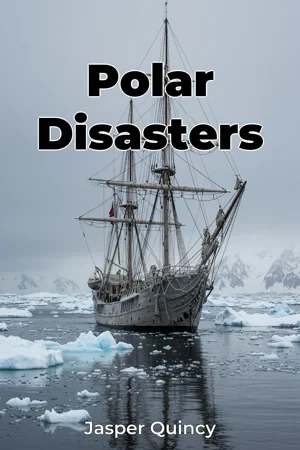
What happens when the unforgiving polar landscapes meet human ambition and fallibility? "Polar Disasters" delves into the gripping and often tragic history of expeditions and scientific endeavors in the Arctic and Antarctic, examining the most devastating events that have unfolded in these extreme environments. This book dissects not only the immediate causes of these disasters—from shipwrecks and blizzards to logistical failures and human error—but also the long-term lessons learned, aiming to provide a critical analysis of how we can better navigate and respect these fragile ecosystems. This book centers around three core themes: the perils of polar exploration, the critical importance of preparation and adaptation, and the evolving relationship between humanity and the polar regions. These themes are relevant because they underscore the inherent risks in venturing into extreme environments, the ethical responsibilities we bear as explorers and scientists, and the necessity of learning from past mistakes to ensure safer and more sustainable practices in the future. We will explore the historical context of polar exploration, from the early quests for the Northwest Passage and the South Pole to the more recent scientific missions focused on climate change and environmental monitoring. Understanding the motivations, technologies, and societal pressures driving these expeditions is crucial for comprehending the conditions that led to disaster. The central argument of "Polar Disasters" is that while human ambition drives us to explore and understand the polar regions, a failure to learn from past tragedies, combined with inadequate preparation and an underestimation of the environment's power, inevitably leads to avoidable catastrophes. This argument is vital because it challenges the romanticized narratives of polar heroism and highlights the often-overlooked role of systemic failures and flawed decision-making in these events. The book's structure will begin with an introduction to the polar environments and the history of human interaction with them. We will then explore specific disasters, grouping them thematically to illustrate recurring patterns and lessons. These will include chapters on shipwrecks like the Franklin Expedition, episodes of extreme isolation and starvation, and the consequences of logistical and planning oversights in scientific missions. The book culminates in an analysis of the lessons learned, discussing modern safety protocols, technological advancements, and ethical considerations for future polar endeavors. We also examine the implications of these disasters on current policy and environmental protection efforts. The evidence presented in "Polar Disasters" is drawn from primary sources such as ships' logs, diaries of expedition members, official inquiry reports, and scientific data collected during and after these events. Secondary sources, including historical analyses, scientific papers, and biographies, will provide context and interpretation. "Polar Disasters" connects to several interdisciplinary fields, including environmental science, maritime history, and risk management. By examining how past disasters have shaped our understanding of polar ecosystems and the impact of human activity, the book contributes to the ongoing dialogue about climate change and environmental conservation. It also offers valuable insights into the psychology of survival, leadership under pressure, and the ethical considerations of exploration and scientific research. This book adopts a narrative non-fiction style, aiming to engage readers with compelling stories of survival, resilience, and the harsh realities of polar exploration while maintaining a rigorous commitment to historical accuracy and scientific understanding. "Polar Disasters" is aimed at readers interested in history, adventure, and environmental science, as well as those with a general curiosity about the polar regions. It offers valuable insights for policymakers, scientists, and anyone involved in planning or executing expeditions in extreme environments. The scope of "Polar Disasters" encompasses major incidents in both the Arctic and Antarctic regions from the early days of exploration to more recent events, exploring disasters caused by natural events and human failures. It excludes events with limited impact and focuses on case studies that offer broader insights into the challenges of polar exploration and research. The lessons from "Polar Disasters" have real-world applications in modern polar exploration, scientific research, and disaster preparedness. They inform current safety protocols, risk assessment strategies, and ethical guidelines for operating in extreme environments. By understanding the mistakes of the past, we can work towards a safer and more sustainable future for these fragile regions.
What happens when the unforgiving polar landscapes meet human ambition and fallibility? "Polar Disasters" delves into the gripping and often tragic history of expeditions and scientific endeavors in the Arctic and Antarctic, examining the most devastating events that have unfolded in these extreme environments. This book dissects not only the immediate causes of these disasters—from shipwrecks and blizzards to logistical failures and human error—but also the long-term lessons learned, aiming to provide a critical analysis of how we can better navigate and respect these fragile ecosystems. This book centers around three core themes: the perils of polar exploration, the critical importance of preparation and adaptation, and the evolving relationship between humanity and the polar regions. These themes are relevant because they underscore the inherent risks in venturing into extreme environments, the ethical responsibilities we bear as explorers and scientists, and the necessity of learning from past mistakes to ensure safer and more sustainable practices in the future. We will explore the historical context of polar exploration, from the early quests for the Northwest Passage and the South Pole to the more recent scientific missions focused on climate change and environmental monitoring. Understanding the motivations, technologies, and societal pressures driving these expeditions is crucial for comprehending the conditions that led to disaster. The central argument of "Polar Disasters" is that while human ambition drives us to explore and understand the polar regions, a failure to learn from past tragedies, combined with inadequate preparation and an underestimation of the environment's power, inevitably leads to avoidable catastrophes. This argument is vital because it challenges the romanticized narratives of polar heroism and highlights the often-overlooked role of systemic failures and flawed decision-making in these events. The book's structure will begin with an introduction to the polar environments and the history of human interaction with them. We will then explore specific disasters, grouping them thematically to illustrate recurring patterns and lessons. These will include chapters on shipwrecks like the Franklin Expedition, episodes of extreme isolation and starvation, and the consequences of logistical and planning oversights in scientific missions. The book culminates in an analysis of the lessons learned, discussing modern safety protocols, technological advancements, and ethical considerations for future polar endeavors. We also examine the implications of these disasters on current policy and environmental protection efforts. The evidence presented in "Polar Disasters" is drawn from primary sources such as ships' logs, diaries of expedition members, official inquiry reports, and scientific data collected during and after these events. Secondary sources, including historical analyses, scientific papers, and biographies, will provide context and interpretation. "Polar Disasters" connects to several interdisciplinary fields, including environmental science, maritime history, and risk management. By examining how past disasters have shaped our understanding of polar ecosystems and the impact of human activity, the book contributes to the ongoing dialogue about climate change and environmental conservation. It also offers valuable insights into the psychology of survival, leadership under pressure, and the ethical considerations of exploration and scientific research. This book adopts a narrative non-fiction style, aiming to engage readers with compelling stories of survival, resilience, and the harsh realities of polar exploration while maintaining a rigorous commitment to historical accuracy and scientific understanding. "Polar Disasters" is aimed at readers interested in history, adventure, and environmental science, as well as those with a general curiosity about the polar regions. It offers valuable insights for policymakers, scientists, and anyone involved in planning or executing expeditions in extreme environments. The scope of "Polar Disasters" encompasses major incidents in both the Arctic and Antarctic regions from the early days of exploration to more recent events, exploring disasters caused by natural events and human failures. It excludes events with limited impact and focuses on case studies that offer broader insights into the challenges of polar exploration and research. The lessons from "Polar Disasters" have real-world applications in modern polar exploration, scientific research, and disaster preparedness. They inform current safety protocols, risk assessment strategies, and ethical guidelines for operating in extreme environments. By understanding the mistakes of the past, we can work towards a safer and more sustainable future for these fragile regions.
"Polar Disasters" explores the history of tragic events in the Arctic and Antarctic, delving into the perils of polar exploration during scientific expeditions and other endeavors. It examines shipwrecks, blizzards, logistical failures, and human error to understand the root causes of these catastrophes. One key insight is how failures to learn from past tragedies, combined with inadequate preparation, often lead to avoidable disasters. The book highlights the risks involved in venturing into extreme environments and emphasizes the ethical responsibilities of explorers and scientists. The book aims to dissect the immediate causes of polar disasters and extract long-term lessons for safer, more sustainable practices. It adopts a narrative non-fiction style, drawing from primary sources like ships' logs and expedition diaries, alongside secondary historical analyses. For example, the infamous Franklin Expedition illustrates the deadly consequences of underestimating the environment. Chapters thematically group disasters, such as shipwrecks and instances of extreme isolation, to reveal recurring patterns. "Polar Disasters" progresses from an overview of polar environments and their historical context to detailed examinations of specific disasters. It culminates in an analysis of lessons learned, discussing modern safety protocols and ethical considerations for future polar endeavors. The book connects to fields like environmental science and maritime history, offering insights into risk management and the human element in extreme conditions.
Book Details
ISBN
9788235260222
Publisher
Publifye AS
Your Licenses
You don't own any licenses for this book
Purchase a license below to unlock this book and download the EPUB.
Purchase License
Select a tier to unlock this book
Need bulk licensing?
Contact us for enterprise agreements.