
About This Book
Have you ever considered that delicacies, celebrated for their unique flavors and culinary heritage, might harbor hidden dangers? "Toxic Foods" delves into the intriguing world where naturally poisonous plants and animals are transformed into edible, and sometimes highly prized, dishes. This book explores the biological basis of toxicity in various species, the science behind detoxification methods developed across cultures, and the delicate balance between risk and reward that defines these culinary practices. This exploration is significant because it challenges common perceptions about food safety and highlights the ingenuity of human adaptation. We will examine how different cultures have, over centuries, developed sophisticated techniques to neutralize or remove toxins, allowing them to utilize food sources that would otherwise be lethal. Understanding these processes offers insights into both the adaptive capabilities of humans and the powerful effects of natural toxins. We will also discuss the potential dangers and ethical considerations surrounding the consumption of these foods in a modern context. "Toxic Foods" begins by laying the groundwork: an Introduction to naturally occurring toxins in plants and animals, their chemical structures, and their effects on the human body. A historical overview provides context, tracing the evolution of detoxification methods from ancient practices to modern scientific techniques. We will then move into detailed case studies, with dedicated sections on specific examples such as the pufferfish (fugu) in Japan, cassava in Africa and South America, and certain types of shellfish worldwide. For each example, the book will describe the organism, the nature of its toxicity, the traditional preparation methods used to render it safe, and the scientific explanations for why these methods work (or sometimes, don’t). The book addresses the risk factors, safety measures, and potential consequences associated with consuming these “toxic foods,” as well as the cultural significance and economic impact of each. Central to the argument is the idea that culinary practices involving toxic organisms are not simply acts of recklessness, but rather sophisticated examples of applied biology and cultural adaptation. These practices represent a deep understanding of the natural world and a willingness to experiment with the boundaries of what is considered edible. This exploration rests on a foundation of scientific literature from fields of biology, toxicology, and ethnobotany, as well as culinary research and historical accounts. Data on toxicity levels, chemical processes involved in detoxification, and documented cases of poisoning will be presented alongside interviews with chefs, scientists, and members of communities where these foods are traditionally consumed. The book connects to fields such as anthropology, examining how food practices are shaped by cultural values and environmental constraints. It also intersects with public health, considering the potential risks and benefits of consuming these foods in the context of global food security and changing dietary habits. Finally, the book touches on environmental science, exploring how human activities impact the abundance and toxicity of certain species. What sets "Toxic Foods" apart is its interdisciplinary approach, merging scientific rigor with cultural sensitivity. It avoids sensationalism, presenting a balanced perspective that acknowledges both the inherent risks and the cultural significance of these culinary traditions. The tone is informative and accessible, aimed at engaging a broad audience without sacrificing scientific accuracy. The primary audience includes food enthusiasts, culinary professionals, students of biology and anthropology, and anyone curious about the intersection of science and culture in the world of food. This book would be valuable to them by providing a deeper understanding of the complexities of food safety, the ingenuity of human adaptation, and the cultural significance of unique culinary practices. As a non-fiction science book, "Toxic Foods" adheres to the standards of accuracy, objectivity, and evidence-based reasoning. While celebrating the ingenuity of these culinary practices, it also emphasizes the importance of responsible consumption and adherence to established safety protocols. The scope of "Toxic Foods" is limited to naturally occurring toxins in plants and animals that are traditionally consumed by humans. It does not cover food poisoning caused by bacterial contamination or synthetic toxins. We will also address the ethical considerations of consuming potentially dangerous species, while acknowledging that cultural perspectives on risk and reward may vary. For readers, the information in "Toxic Foods" can be applied to various contexts, from making informed choices about the foods they eat to appreciating the cultural diversity of culinary traditions. Chefs and culinary professionals can gain valuable insights into the science behind food preparation and the safe handling of potentially toxic ingredients. Students and researchers can use the book as a starting point for further investigation into the fields of toxicology, ethnobotany, and food studies. The book also addresses ongoing debates surrounding the safety and sustainability of consuming certain toxic foods, particularly in light of changing environmental conditions and globalization. By presenting a balanced perspective and highlighting the importance of responsible practices, "Toxic Foods" aims to contribute to a more informed and nuanced understanding of this fascinating and often misunderstood aspect of human cuisine.
Have you ever considered that delicacies, celebrated for their unique flavors and culinary heritage, might harbor hidden dangers? "Toxic Foods" delves into the intriguing world where naturally poisonous plants and animals are transformed into edible, and sometimes highly prized, dishes. This book explores the biological basis of toxicity in various species, the science behind detoxification methods developed across cultures, and the delicate balance between risk and reward that defines these culinary practices. This exploration is significant because it challenges common perceptions about food safety and highlights the ingenuity of human adaptation. We will examine how different cultures have, over centuries, developed sophisticated techniques to neutralize or remove toxins, allowing them to utilize food sources that would otherwise be lethal. Understanding these processes offers insights into both the adaptive capabilities of humans and the powerful effects of natural toxins. We will also discuss the potential dangers and ethical considerations surrounding the consumption of these foods in a modern context. "Toxic Foods" begins by laying the groundwork: an Introduction to naturally occurring toxins in plants and animals, their chemical structures, and their effects on the human body. A historical overview provides context, tracing the evolution of detoxification methods from ancient practices to modern scientific techniques. We will then move into detailed case studies, with dedicated sections on specific examples such as the pufferfish (fugu) in Japan, cassava in Africa and South America, and certain types of shellfish worldwide. For each example, the book will describe the organism, the nature of its toxicity, the traditional preparation methods used to render it safe, and the scientific explanations for why these methods work (or sometimes, don’t). The book addresses the risk factors, safety measures, and potential consequences associated with consuming these “toxic foods,” as well as the cultural significance and economic impact of each. Central to the argument is the idea that culinary practices involving toxic organisms are not simply acts of recklessness, but rather sophisticated examples of applied biology and cultural adaptation. These practices represent a deep understanding of the natural world and a willingness to experiment with the boundaries of what is considered edible. This exploration rests on a foundation of scientific literature from fields of biology, toxicology, and ethnobotany, as well as culinary research and historical accounts. Data on toxicity levels, chemical processes involved in detoxification, and documented cases of poisoning will be presented alongside interviews with chefs, scientists, and members of communities where these foods are traditionally consumed. The book connects to fields such as anthropology, examining how food practices are shaped by cultural values and environmental constraints. It also intersects with public health, considering the potential risks and benefits of consuming these foods in the context of global food security and changing dietary habits. Finally, the book touches on environmental science, exploring how human activities impact the abundance and toxicity of certain species. What sets "Toxic Foods" apart is its interdisciplinary approach, merging scientific rigor with cultural sensitivity. It avoids sensationalism, presenting a balanced perspective that acknowledges both the inherent risks and the cultural significance of these culinary traditions. The tone is informative and accessible, aimed at engaging a broad audience without sacrificing scientific accuracy. The primary audience includes food enthusiasts, culinary professionals, students of biology and anthropology, and anyone curious about the intersection of science and culture in the world of food. This book would be valuable to them by providing a deeper understanding of the complexities of food safety, the ingenuity of human adaptation, and the cultural significance of unique culinary practices. As a non-fiction science book, "Toxic Foods" adheres to the standards of accuracy, objectivity, and evidence-based reasoning. While celebrating the ingenuity of these culinary practices, it also emphasizes the importance of responsible consumption and adherence to established safety protocols. The scope of "Toxic Foods" is limited to naturally occurring toxins in plants and animals that are traditionally consumed by humans. It does not cover food poisoning caused by bacterial contamination or synthetic toxins. We will also address the ethical considerations of consuming potentially dangerous species, while acknowledging that cultural perspectives on risk and reward may vary. For readers, the information in "Toxic Foods" can be applied to various contexts, from making informed choices about the foods they eat to appreciating the cultural diversity of culinary traditions. Chefs and culinary professionals can gain valuable insights into the science behind food preparation and the safe handling of potentially toxic ingredients. Students and researchers can use the book as a starting point for further investigation into the fields of toxicology, ethnobotany, and food studies. The book also addresses ongoing debates surrounding the safety and sustainability of consuming certain toxic foods, particularly in light of changing environmental conditions and globalization. By presenting a balanced perspective and highlighting the importance of responsible practices, "Toxic Foods" aims to contribute to a more informed and nuanced understanding of this fascinating and often misunderstood aspect of human cuisine.
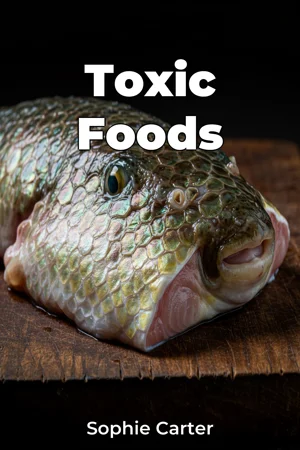
"Toxic Foods" explores the fascinating, and sometimes perilous, world where poisonous plants and animals become culinary delicacies. It unveils how cultures around the globe have ingeniously adapted to transform naturally toxic ingredients into edible dishes. These culinary practices, far from being reckless, represent a deep understanding of biology and a testament to human adaptability. For example, the book investigates the meticulous preparation of fugu (pufferfish) in Japan, where chefs undergo rigorous training to remove deadly toxins, and the processing of cassava in Africa and South America to eliminate cyanide. The book progresses from an introduction to natural toxins and their effects, through historical detoxification methods, to detailed case studies of specific "toxic foods". By examining the biological basis of toxicity, combined with the cultural significance and food science behind these practices, "Toxic Foods" challenges our perceptions of food safety. It reveals how traditional techniques, often passed down through generations, neutralize or remove toxins, allowing communities to utilize otherwise lethal food sources. This exploration provides valuable insights into both human adaptive capabilities and the potent effects of natural toxins, offering a unique perspective on the intersection of biology, culture, and cuisine.
Book Details
ISBN
9788235260215
Publisher
Publifye AS
Your Licenses
You don't own any licenses for this book
Purchase a license below to unlock this book and download the EPUB.
Purchase License
Select a tier to unlock this book
Need bulk licensing?
Contact us for enterprise agreements.