
About This Book
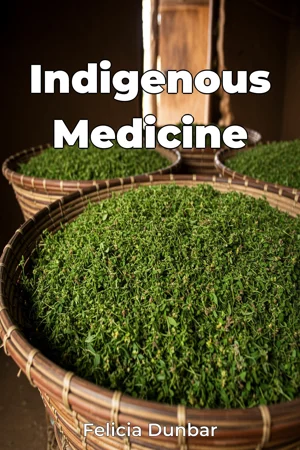
How did traditional African healing practices shape modern medicine? This book, "Indigenous Medicine," explores the rich tapestry of Africa’s traditional medical systems, focusing on herbal medicine, spiritual healing, and the profound influence of indigenous knowledge on contemporary medical discoveries. Understanding these practices provides crucial insights into the evolution of healthcare and the ongoing dialogue between traditional and modern medicine. This book delves into several key areas. First, it examines the diverse range of herbal remedies utilized across the African continent, detailing their preparation, application, and efficacy based on both traditional knowledge and scientific investigation. Second, it explores the role of spiritual healing, including the practices of traditional healers and the integration of spiritual beliefs into the healing process. The book provides a necessary historical and social context, tracing the evolution of these practices from ancient times to the present day and highlighting their significance within different African cultures. The central argument of "Indigenous Medicine" is that African traditional medicine, often overlooked or dismissed in Western medical discourse, has significantly contributed to modern pharmacological developments and continues to offer valuable perspectives on holistic healthcare. This argument is vital because it challenges Eurocentric views of medicine and highlights the importance of recognizing and preserving indigenous knowledge systems. The book is structured to systematically introduce the reader to the core concepts of African traditional medicine. It begins with an overview of the historical and cultural context, then moves into a detailed examination of herbal remedies, spiritual healing practices, and the training of traditional healers. Major sections are dedicated to specific case studies of indigenous plants and their derivatives that have informed modern pharmaceuticals, as well as the ethical considerations surrounding the preservation and utilization of traditional knowledge. The book culminates by examining the integration of traditional and modern medical practices and suggesting pathways for collaborative healthcare models. The evidence presented is drawn from a variety of sources, including ethnobotanical surveys, historical archives, interviews with traditional healers, and scientific studies analyzing the chemical properties and biological effects of indigenous plants. Unique data sources include rare manuscripts documenting traditional healing practices and firsthand accounts from communities where these practices remain integral to healthcare. "Indigenous Medicine" connects to various fields of study, including ethnobotany, medical anthropology, pharmacology, and religious studies. Ethnobotanical perspectives enhance our understanding of plant usage, while medical anthropology provides insights into the cultural context. These connections enrich the book’s central argument by demonstrating the multifaceted nature of traditional medicine and its relevance to diverse academic disciplines. This book offers a unique perspective by emphasizing the agency and intellectual contributions of African healers and communities. It goes beyond a mere cataloging of remedies and focuses on the underlying principles, philosophies, and knowledge systems that inform these practices. It adopts a respectful and culturally sensitive approach, challenging common misconceptions and promoting a deeper understanding of African medical traditions. Written in a factual and accessible style suitable for both academic and general audiences, "Indigenous Medicine" is aimed at students, healthcare professionals, researchers, and anyone interested in the history of medicine, cultural studies, or African studies. The book is a valuable resource for those seeking a more comprehensive understanding of global healthcare practices. While the book aims to provide a broad overview of African traditional medicine, it acknowledges the diversity of healing practices across the continent and does not attempt to offer an exhaustive account of every tradition. The scope is intentionally limited to focus on the most prevalent and well-documented practices. The information in "Indigenous Medicine" can be applied practically by healthcare professionals seeking to integrate traditional remedies into their practices, policymakers developing culturally sensitive healthcare programs, and researchers exploring new avenues for drug discovery. It also provides valuable insights for individuals interested in learning more about alternative approaches to health and wellness. The book touches on the ongoing debates surrounding intellectual property rights and the ethical considerations involved in utilizing traditional knowledge for commercial purposes.
How did traditional African healing practices shape modern medicine? This book, "Indigenous Medicine," explores the rich tapestry of Africa’s traditional medical systems, focusing on herbal medicine, spiritual healing, and the profound influence of indigenous knowledge on contemporary medical discoveries. Understanding these practices provides crucial insights into the evolution of healthcare and the ongoing dialogue between traditional and modern medicine. This book delves into several key areas. First, it examines the diverse range of herbal remedies utilized across the African continent, detailing their preparation, application, and efficacy based on both traditional knowledge and scientific investigation. Second, it explores the role of spiritual healing, including the practices of traditional healers and the integration of spiritual beliefs into the healing process. The book provides a necessary historical and social context, tracing the evolution of these practices from ancient times to the present day and highlighting their significance within different African cultures. The central argument of "Indigenous Medicine" is that African traditional medicine, often overlooked or dismissed in Western medical discourse, has significantly contributed to modern pharmacological developments and continues to offer valuable perspectives on holistic healthcare. This argument is vital because it challenges Eurocentric views of medicine and highlights the importance of recognizing and preserving indigenous knowledge systems. The book is structured to systematically introduce the reader to the core concepts of African traditional medicine. It begins with an overview of the historical and cultural context, then moves into a detailed examination of herbal remedies, spiritual healing practices, and the training of traditional healers. Major sections are dedicated to specific case studies of indigenous plants and their derivatives that have informed modern pharmaceuticals, as well as the ethical considerations surrounding the preservation and utilization of traditional knowledge. The book culminates by examining the integration of traditional and modern medical practices and suggesting pathways for collaborative healthcare models. The evidence presented is drawn from a variety of sources, including ethnobotanical surveys, historical archives, interviews with traditional healers, and scientific studies analyzing the chemical properties and biological effects of indigenous plants. Unique data sources include rare manuscripts documenting traditional healing practices and firsthand accounts from communities where these practices remain integral to healthcare. "Indigenous Medicine" connects to various fields of study, including ethnobotany, medical anthropology, pharmacology, and religious studies. Ethnobotanical perspectives enhance our understanding of plant usage, while medical anthropology provides insights into the cultural context. These connections enrich the book’s central argument by demonstrating the multifaceted nature of traditional medicine and its relevance to diverse academic disciplines. This book offers a unique perspective by emphasizing the agency and intellectual contributions of African healers and communities. It goes beyond a mere cataloging of remedies and focuses on the underlying principles, philosophies, and knowledge systems that inform these practices. It adopts a respectful and culturally sensitive approach, challenging common misconceptions and promoting a deeper understanding of African medical traditions. Written in a factual and accessible style suitable for both academic and general audiences, "Indigenous Medicine" is aimed at students, healthcare professionals, researchers, and anyone interested in the history of medicine, cultural studies, or African studies. The book is a valuable resource for those seeking a more comprehensive understanding of global healthcare practices. While the book aims to provide a broad overview of African traditional medicine, it acknowledges the diversity of healing practices across the continent and does not attempt to offer an exhaustive account of every tradition. The scope is intentionally limited to focus on the most prevalent and well-documented practices. The information in "Indigenous Medicine" can be applied practically by healthcare professionals seeking to integrate traditional remedies into their practices, policymakers developing culturally sensitive healthcare programs, and researchers exploring new avenues for drug discovery. It also provides valuable insights for individuals interested in learning more about alternative approaches to health and wellness. The book touches on the ongoing debates surrounding intellectual property rights and the ethical considerations involved in utilizing traditional knowledge for commercial purposes.
"Indigenous Medicine" unveils the often-overlooked contributions of African traditional medicine to modern healthcare. This exploration spans from herbal remedies and spiritual healing to the profound indigenous knowledge shaping contemporary medical advancements. The book highlights how practices, like those of traditional healers, have influenced pharmacological developments and continue to offer holistic healthcare perspectives. For example, many modern drugs have roots in indigenous plants, showcasing the tangible impact of ethnobotanical knowledge. The book systematically progresses, beginning with the historical and cultural context before delving into herbal remedies and spiritual practices. It examines case studies of indigenous plants that have informed modern pharmaceuticals, and explores ethical considerations in preserving traditional knowledge. The book emphasizes the intellectual contributions of African healers, moving beyond a mere catalog of remedies to explore the philosophies and knowledge systems underpinning these practices. This approach challenges Eurocentric views of medicine, promoting a deeper appreciation for African medical traditions and their ongoing relevance.
Book Details
ISBN
9788235260154
Publisher
Publifye AS
Your Licenses
You don't own any licenses for this book
Purchase a license below to unlock this book and download the EPUB.
Purchase License
Select a tier to unlock this book
Need bulk licensing?
Contact us for enterprise agreements.