
About This Book
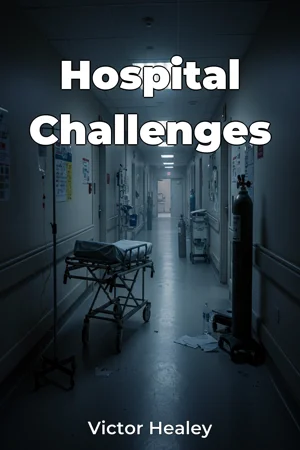
What happens when a healthcare system buckles under unprecedented strain? This book, "Hospital Challenges," delves into the harsh realities faced by hospitals and healthcare workers during periods of overwhelming patient surges. It offers a comprehensive analysis of how these institutions grappled with critical care demands and the cascading impact on medical resources, exploring the strategies employed, the sacrifices made, and the systemic vulnerabilities exposed. The book primarily focuses on three key interwoven topics: crisis management protocols within hospitals, resource allocation strategies under duress, and the psychological toll experienced by frontline medical personnel. These topics are crucial because understanding them is paramount to improving healthcare preparedness and resilience for future public health emergencies. Effective crisis management ensures a coordinated response, optimal resource distribution mitigates shortages, and addressing the well-being of healthcare workers is vital for maintaining a functional and compassionate system. The context for these challenges is rooted in a growing number of factors, including increasing population density, the rise of novel infectious diseases, and existing strains on healthcare infrastructure. Readers will benefit from a basic understanding of hospital administration, public health principles, and emergency response frameworks. However, the book is written to be accessible to a broad audience, providing necessary background information where needed. The central argument of "Hospital Challenges" is that systemic weaknesses in hospital preparedness and resource management, coupled with inadequate support for healthcare workers, exacerbate the impact of patient surges, leading to diminished quality of care and increased mortality rates. Addressing these weaknesses through proactive planning, efficient resource allocation, and comprehensive support systems is essential for building a more resilient and equitable healthcare system. The book's structure unfolds systematically. It begins by introducing the core concepts of surge capacity, triage protocols, and crisis communication. It then develops these ideas through detailed case studies examining real-world scenarios. Major sections include: analyzing triage decisions during mass casualty events, evaluating the effectiveness of different resource allocation models, and investigating the long-term psychological impacts on healthcare professionals. The book culminates by proposing specific, actionable recommendations for improving hospital readiness and resilience. It also explores the practical implications of these recommendations for policymakers, hospital administrators, and public health officials. To support its arguments, "Hospital Challenges" draws upon a variety of evidence, including hospital incident reports, epidemiological data, surveys of healthcare workers, and analyses of public health policies. It incorporates data from diverse geographic locations and healthcare settings to provide a comprehensive picture of the challenges faced. The book also utilizes unique data sources, such as anonymized patient records and qualitative interviews with frontline staff, to provide insights. "Hospital Challenges" connects to several other fields of study. Firstly, it links to ethics, particularly in the context of triage decisions and resource allocation during emergencies. Secondly, it connects to sociology, examining the social determinants of health and how they influence access to care during a crisis. And finally, it ties to economics, analyzing the economic impact of healthcare crises and the cost-effectiveness of different preparedness strategies. This book offers a unique perspective by combining quantitative data analysis with qualitative insights from those working on the front lines. It moves beyond simply describing the problems to offering concrete, evidence-based solutions. The book adopts a professional but approachable tone, striving to make complex information accessible to a broad audience. It avoids jargon where possible and clearly explains technical terms. The target audience includes healthcare professionals, hospital administrators, public health officials, policymakers, and anyone interested in learning more about healthcare preparedness and crisis management. It would be valuable to them because it provides actionable insights and practical recommendations for improving healthcare systems. As a work of medical general and public health non-fiction, the book adheres to the conventions of presenting evidence-based information in a clear, objective, and well-documented manner. It avoids sensationalism and strives to provide a balanced and nuanced perspective on the challenges faced. The scope of "Hospital Challenges" is broad, covering a wide range of challenges faced by hospitals during patient surges. However, it focuses primarily on the acute phase of the crisis and does not delve deeply into the long-term recovery process. The information in this book can be applied practically by readers in a number of ways. Healthcare professionals can use it to improve their understanding of crisis management protocols and resource allocation strategies. Hospital administrators can use it to identify areas where their institutions are vulnerable and to develop more effective preparedness plans. Public health officials can use it to inform policy decisions and to allocate resources more effectively. The book also addresses ongoing debates concerning the ethical implications of triage decisions, the optimal allocation of scarce resources, and the responsibility of healthcare systems to protect the well-being of their staff. By providing a balanced and evidence-based perspective on these issues, "Hospital Challenges" contributes to a more informed and constructive dialogue.
What happens when a healthcare system buckles under unprecedented strain? This book, "Hospital Challenges," delves into the harsh realities faced by hospitals and healthcare workers during periods of overwhelming patient surges. It offers a comprehensive analysis of how these institutions grappled with critical care demands and the cascading impact on medical resources, exploring the strategies employed, the sacrifices made, and the systemic vulnerabilities exposed. The book primarily focuses on three key interwoven topics: crisis management protocols within hospitals, resource allocation strategies under duress, and the psychological toll experienced by frontline medical personnel. These topics are crucial because understanding them is paramount to improving healthcare preparedness and resilience for future public health emergencies. Effective crisis management ensures a coordinated response, optimal resource distribution mitigates shortages, and addressing the well-being of healthcare workers is vital for maintaining a functional and compassionate system. The context for these challenges is rooted in a growing number of factors, including increasing population density, the rise of novel infectious diseases, and existing strains on healthcare infrastructure. Readers will benefit from a basic understanding of hospital administration, public health principles, and emergency response frameworks. However, the book is written to be accessible to a broad audience, providing necessary background information where needed. The central argument of "Hospital Challenges" is that systemic weaknesses in hospital preparedness and resource management, coupled with inadequate support for healthcare workers, exacerbate the impact of patient surges, leading to diminished quality of care and increased mortality rates. Addressing these weaknesses through proactive planning, efficient resource allocation, and comprehensive support systems is essential for building a more resilient and equitable healthcare system. The book's structure unfolds systematically. It begins by introducing the core concepts of surge capacity, triage protocols, and crisis communication. It then develops these ideas through detailed case studies examining real-world scenarios. Major sections include: analyzing triage decisions during mass casualty events, evaluating the effectiveness of different resource allocation models, and investigating the long-term psychological impacts on healthcare professionals. The book culminates by proposing specific, actionable recommendations for improving hospital readiness and resilience. It also explores the practical implications of these recommendations for policymakers, hospital administrators, and public health officials. To support its arguments, "Hospital Challenges" draws upon a variety of evidence, including hospital incident reports, epidemiological data, surveys of healthcare workers, and analyses of public health policies. It incorporates data from diverse geographic locations and healthcare settings to provide a comprehensive picture of the challenges faced. The book also utilizes unique data sources, such as anonymized patient records and qualitative interviews with frontline staff, to provide insights. "Hospital Challenges" connects to several other fields of study. Firstly, it links to ethics, particularly in the context of triage decisions and resource allocation during emergencies. Secondly, it connects to sociology, examining the social determinants of health and how they influence access to care during a crisis. And finally, it ties to economics, analyzing the economic impact of healthcare crises and the cost-effectiveness of different preparedness strategies. This book offers a unique perspective by combining quantitative data analysis with qualitative insights from those working on the front lines. It moves beyond simply describing the problems to offering concrete, evidence-based solutions. The book adopts a professional but approachable tone, striving to make complex information accessible to a broad audience. It avoids jargon where possible and clearly explains technical terms. The target audience includes healthcare professionals, hospital administrators, public health officials, policymakers, and anyone interested in learning more about healthcare preparedness and crisis management. It would be valuable to them because it provides actionable insights and practical recommendations for improving healthcare systems. As a work of medical general and public health non-fiction, the book adheres to the conventions of presenting evidence-based information in a clear, objective, and well-documented manner. It avoids sensationalism and strives to provide a balanced and nuanced perspective on the challenges faced. The scope of "Hospital Challenges" is broad, covering a wide range of challenges faced by hospitals during patient surges. However, it focuses primarily on the acute phase of the crisis and does not delve deeply into the long-term recovery process. The information in this book can be applied practically by readers in a number of ways. Healthcare professionals can use it to improve their understanding of crisis management protocols and resource allocation strategies. Hospital administrators can use it to identify areas where their institutions are vulnerable and to develop more effective preparedness plans. Public health officials can use it to inform policy decisions and to allocate resources more effectively. The book also addresses ongoing debates concerning the ethical implications of triage decisions, the optimal allocation of scarce resources, and the responsibility of healthcare systems to protect the well-being of their staff. By providing a balanced and evidence-based perspective on these issues, "Hospital Challenges" contributes to a more informed and constructive dialogue.
"Hospital Challenges" explores the critical pressures faced by healthcare systems during times of overwhelming patient surges. It examines crisis management strategies, resource allocation under duress, and the psychological toll on frontline medical personnel. One intriguing fact revealed is how existing infrastructure strains exacerbate the impact of patient surges, leading to higher mortality rates. The book also highlights the ethical dilemmas inherent in triage decisions when resources are scarce, adding a crucial layer to the discussion of public health emergencies. This book uniquely combines quantitative data analysis with qualitative insights from healthcare workers on the front lines. It begins by introducing core concepts like triage protocols and crisis communication, then delves into detailed case studies. "Hospital Challenges" culminates with actionable recommendations for improving hospital readiness, making it a valuable resource for policymakers, administrators, and healthcare professionals alike. It emphasizes proactive planning and comprehensive support systems to build a more resilient and equitable healthcare system.
Book Details
ISBN
9788235259806
Publisher
Publifye AS
Your Licenses
You don't own any licenses for this book
Purchase a license below to unlock this book and download the EPUB.
Purchase License
Select a tier to unlock this book
Need bulk licensing?
Contact us for enterprise agreements.