
About This Book
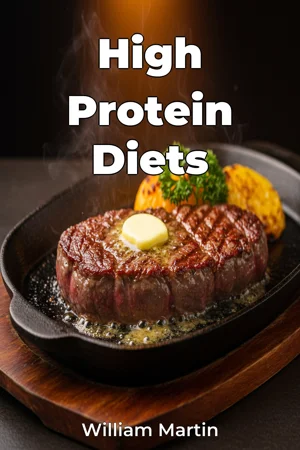
Are you seeking a scientifically sound approach to weight loss that goes beyond fleeting trends? "High Protein Diets" delves into the intricate science behind leveraging protein for effective and sustainable weight management. This book explores the biochemical mechanisms, physiological responses, and latest research surrounding high-protein diets, offering a comprehensive understanding of their potential benefits and limitations. This book addresses two central questions: How does increased protein intake influence weight loss, and what are the long-term health implications of adopting a high-protein dietary pattern? These questions are paramount because of the pervasive misinformation surrounding dietary strategies and the critical need for evidence-based approaches to weight management. We examine the role of protein in satiety, thermogenesis, and muscle preservation during weight loss, providing readers with the knowledge to make informed decisions about their dietary choices. Historically, high-protein diets have fluctuated in popularity, often fueled by anecdotal evidence rather than rigorous scientific investigation. We provide vital context by tracing the evolution of dietary recommendations, highlighting the shift from carbohydrate-centric to more protein-focused approaches. No prior knowledge of nutrition is required; the book is structured to guide readers through essential biological principles, ensuring accessibility for a broad audience. The central argument of "High Protein Diets" is that while high-protein diets can be effective for weight loss, their efficacy and safety are contingent upon individual physiological factors, dietary composition, and adherence to evidence-based guidelines. We assert that a nuanced understanding of protein metabolism and its interaction with other macronutrients is crucial for optimizing weight loss outcomes and mitigating potential risks. The book unfolds in three distinct parts. First, we introduce the fundamental concepts of protein digestion, absorption, and utilization, explaining how protein impacts metabolic processes. Second, we critically evaluate the evidence supporting high-protein diets for weight loss, scrutinizing clinical trials and meta-analyses. This section assesses the impact on satiety, energy expenditure, and body composition. Third, we explore the long-term health implications, including potential effects on kidney function, bone density, and cardiovascular health. The culmination of the argument provides practical guidelines for implementing high-protein diets safely and effectively, tailored to individual needs and goals. The evidence presented throughout the book is drawn from a diverse range of sources, including peer-reviewed scientific publications, randomized controlled trials, and epidemiological studies. We analyze data from studies that have investigated the effects of varying protein intakes on weight loss, metabolic health, and overall well-being. Furthermore, we address conflicting findings and methodological limitations within the existing body of research. "High Protein Diets" draws connections between nutrition, metabolism, and exercise physiology. It examines how protein intake interacts with physical activity to influence muscle protein synthesis and overall body composition. The book also explores the intersection of high-protein diets with endocrinology, specifically focusing on the role of hormones such as insulin, glucagon, and growth hormone in regulating protein metabolism and appetite. Finally, it considers the psychological aspects of dietary adherence and the impact of high-protein diets on mood and cognitive function, linking nutritional science with behavioral psychology. This book distinguishes itself by providing a balanced and objective assessment of high-protein diets, eschewing sensationalism in favor of scientific rigor. It offers a practical approach to understanding the intricacies of protein metabolism and its impact on weight management and health. The tone is factual and evidence-based, yet accessible and engaging, avoiding technical jargon where possible. The writing style aims to inform and empower readers, enabling them to critically evaluate dietary information and make informed decisions about their health. The primary audience includes health professionals, nutrition enthusiasts, and individuals seeking a comprehensive understanding of high-protein diets for weight loss. This book is valuable because it provides evidence-based guidance, dispels common myths, and equips readers with the knowledge to implement and monitor high-protein diets safely and effectively. As a book in the health and fitness genre, “High Protein Diets” provides extensively researched, fact-based information, setting it apart from fad-diet books. The scope of the book is intentionally focused on the science of high-protein diets within the context of weight loss and health. It does not delve into specific dietary plans or recipes, but rather provides the foundational knowledge necessary for making informed choices. Readers can apply the information in the book to personalize their diets, optimize their weight management strategies, and monitor their health. The book also serves as a valuable resource for healthcare professionals seeking to counsel patients on high-protein dietary approaches. Ongoing debates regarding the long-term safety and sustainability of high-protein diets are thoroughly examined. The book addresses concerns about potential adverse effects on kidney function, bone health, and cardiovascular risk, presenting a balanced perspective on these controversies.
Are you seeking a scientifically sound approach to weight loss that goes beyond fleeting trends? "High Protein Diets" delves into the intricate science behind leveraging protein for effective and sustainable weight management. This book explores the biochemical mechanisms, physiological responses, and latest research surrounding high-protein diets, offering a comprehensive understanding of their potential benefits and limitations. This book addresses two central questions: How does increased protein intake influence weight loss, and what are the long-term health implications of adopting a high-protein dietary pattern? These questions are paramount because of the pervasive misinformation surrounding dietary strategies and the critical need for evidence-based approaches to weight management. We examine the role of protein in satiety, thermogenesis, and muscle preservation during weight loss, providing readers with the knowledge to make informed decisions about their dietary choices. Historically, high-protein diets have fluctuated in popularity, often fueled by anecdotal evidence rather than rigorous scientific investigation. We provide vital context by tracing the evolution of dietary recommendations, highlighting the shift from carbohydrate-centric to more protein-focused approaches. No prior knowledge of nutrition is required; the book is structured to guide readers through essential biological principles, ensuring accessibility for a broad audience. The central argument of "High Protein Diets" is that while high-protein diets can be effective for weight loss, their efficacy and safety are contingent upon individual physiological factors, dietary composition, and adherence to evidence-based guidelines. We assert that a nuanced understanding of protein metabolism and its interaction with other macronutrients is crucial for optimizing weight loss outcomes and mitigating potential risks. The book unfolds in three distinct parts. First, we introduce the fundamental concepts of protein digestion, absorption, and utilization, explaining how protein impacts metabolic processes. Second, we critically evaluate the evidence supporting high-protein diets for weight loss, scrutinizing clinical trials and meta-analyses. This section assesses the impact on satiety, energy expenditure, and body composition. Third, we explore the long-term health implications, including potential effects on kidney function, bone density, and cardiovascular health. The culmination of the argument provides practical guidelines for implementing high-protein diets safely and effectively, tailored to individual needs and goals. The evidence presented throughout the book is drawn from a diverse range of sources, including peer-reviewed scientific publications, randomized controlled trials, and epidemiological studies. We analyze data from studies that have investigated the effects of varying protein intakes on weight loss, metabolic health, and overall well-being. Furthermore, we address conflicting findings and methodological limitations within the existing body of research. "High Protein Diets" draws connections between nutrition, metabolism, and exercise physiology. It examines how protein intake interacts with physical activity to influence muscle protein synthesis and overall body composition. The book also explores the intersection of high-protein diets with endocrinology, specifically focusing on the role of hormones such as insulin, glucagon, and growth hormone in regulating protein metabolism and appetite. Finally, it considers the psychological aspects of dietary adherence and the impact of high-protein diets on mood and cognitive function, linking nutritional science with behavioral psychology. This book distinguishes itself by providing a balanced and objective assessment of high-protein diets, eschewing sensationalism in favor of scientific rigor. It offers a practical approach to understanding the intricacies of protein metabolism and its impact on weight management and health. The tone is factual and evidence-based, yet accessible and engaging, avoiding technical jargon where possible. The writing style aims to inform and empower readers, enabling them to critically evaluate dietary information and make informed decisions about their health. The primary audience includes health professionals, nutrition enthusiasts, and individuals seeking a comprehensive understanding of high-protein diets for weight loss. This book is valuable because it provides evidence-based guidance, dispels common myths, and equips readers with the knowledge to implement and monitor high-protein diets safely and effectively. As a book in the health and fitness genre, “High Protein Diets” provides extensively researched, fact-based information, setting it apart from fad-diet books. The scope of the book is intentionally focused on the science of high-protein diets within the context of weight loss and health. It does not delve into specific dietary plans or recipes, but rather provides the foundational knowledge necessary for making informed choices. Readers can apply the information in the book to personalize their diets, optimize their weight management strategies, and monitor their health. The book also serves as a valuable resource for healthcare professionals seeking to counsel patients on high-protein dietary approaches. Ongoing debates regarding the long-term safety and sustainability of high-protein diets are thoroughly examined. The book addresses concerns about potential adverse effects on kidney function, bone health, and cardiovascular risk, presenting a balanced perspective on these controversies.
"High Protein Diets" offers a science-based exploration into the world of high protein diets, revealing how they can be leveraged for sustainable weight management. The book delves into the physiological responses and biochemical mechanisms associated with increased protein intake, answering key questions about its influence on weight loss and long-term health implications. You'll discover how protein plays a vital role in satiety, thermogenesis, and muscle preservation, supported by clinical trials and peer-reviewed research. This book breaks down complex nutritional concepts, starting with the fundamentals of protein digestion and absorption before moving into an evaluation of evidence supporting high-protein diets for weight loss. It provides valuable context by tracing the evolution of dietary recommendations, highlighting the shift toward protein-focused approaches. Readers will gain insights into the potential effects on kidney function, bone density, and cardiovascular health, equipping them with the knowledge to make informed dietary choices. The book's unique value lies in its balanced and objective assessment, offering practical guidelines for implementing high-protein diets safely and effectively. It examines the intersection of nutrition, metabolism, and exercise physiology, emphasizing individual physiological factors and adherence to evidence-based guidelines. By presenting a nuanced understanding of protein metabolism, this book empowers readers to optimize their weight loss outcomes and mitigate potential risks, setting it apart from fad-diet books.
Book Details
ISBN
9788235259707
Publisher
Publifye AS
Your Licenses
You don't own any licenses for this book
Purchase a license below to unlock this book and download the EPUB.
Purchase License
Select a tier to unlock this book
Need bulk licensing?
Contact us for enterprise agreements.