
About This Book
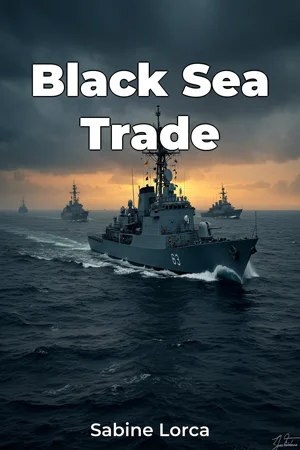
Can control of the Black Sea truly shape global power dynamics? This book, "Black Sea Trade," delves into the intricate web of Russia's economic and military interests intertwined with the Black Sea's naval history and regional trade networks, revealing how this strategic body of water has consistently been a linchpin in Russian foreign policy and global commerce. Understanding the historical context and contemporary implications of Russia's presence in the Black Sea is crucial for anyone seeking to grasp the complexities of modern geopolitics and international trade. The book primarily addresses three key areas: Russia’s strategic economic objectives in the Black Sea region, its historical naval dominance and associated military strategies, and the complex web of regional trade networks influenced by Russian control. These topics are significant because the Black Sea serves as a critical conduit for Russian exports, a vital projection of its military power, and a key leverage point over neighboring nations. To fully appreciate Russia’s current posture, the book traces a historical narrative from the rise of the Russian Empire to the present day, examining how successive Russian regimes have viewed and utilized the Black Sea. This includes an analysis of key historical events such as the Crimean War, the dissolution of the Soviet Union, and the more recent conflicts in Ukraine. No prior specific knowledge is required, as the book offers contextual background on general Russian history and naval strategy. Our central argument posits that Russia's enduring policy toward the Black Sea is driven by a consistent desire for regional hegemony to secure economic advantages, project military strength, and maintain its status as a great power. This ambition has influenced its engagement in conflicts, its trade policies, and its relationships with other nations bordering the Black Sea, shaping the geopolitical landscape of Eastern Europe and beyond. The book initially introduces the geographic, economic, and geopolitical significance of the Black Sea. It subsequently explores Russian naval history, from the establishment of its Black Sea Fleet to modern-day strategic deployments. Trade networks are analyzed, detailing commodity flows, key ports, and the impact of geopolitical tensions on trade routes. The book culminates by assessing the future of the Black Sea region, considering the challenges posed by competing interests and the potential for conflict or cooperation. The evidence presented comes from a variety of sources, including primary documents from Russian archives, naval records, trade statistics, and geopolitical analyses from international organizations. The book also incorporates insights from maritime law and international relations theory. "Black Sea Trade" connects to several other disciplines, including economics through the analysis of trade routes and commodity markets; political science through the examination of geopolitical strategies and international relations; and law through the investigation of maritime regulations and international treaties governing the Black Sea. These interdisciplinary connections enrich the book's analysis, offering a more holistic understanding of the region's complexities. This book offers a unique perspective by combining a historical analysis of Russian naval power with a contemporary assessment of regional trade dynamics, examining how these two elements have mutually reinforced Russia’s strategic position. The tone of the book is academic yet accessible, striving to present complex information in a clear and engaging manner. The target audience includes academics, policymakers, business professionals involved in international trade, and anyone interested in Russian history, naval strategy, or geopolitics. It offers valuable insights into the factors shaping Russian foreign policy and the dynamics of the Black Sea region. As a work of History and Military History, the book adheres to rigorous standards of historical accuracy and unbiased analysis. While covering a broad range of historical and contemporary issues, it focuses primarily on the direct impact of Russia's actions on the region's trade and security, acknowledging that other actors and factors also play a role. The information in this book can be applied practically by policymakers seeking to understand Russian strategic goals, by businesses navigating the complexities of trade in the region, and by academics researching international relations and naval history. The book addresses ongoing debates surrounding the legal status of Crimea, the use of the Black Sea for energy transit, and the appropriate response to Russian military activities, providing a balanced perspective on these contentious issues.
Can control of the Black Sea truly shape global power dynamics? This book, "Black Sea Trade," delves into the intricate web of Russia's economic and military interests intertwined with the Black Sea's naval history and regional trade networks, revealing how this strategic body of water has consistently been a linchpin in Russian foreign policy and global commerce. Understanding the historical context and contemporary implications of Russia's presence in the Black Sea is crucial for anyone seeking to grasp the complexities of modern geopolitics and international trade. The book primarily addresses three key areas: Russia’s strategic economic objectives in the Black Sea region, its historical naval dominance and associated military strategies, and the complex web of regional trade networks influenced by Russian control. These topics are significant because the Black Sea serves as a critical conduit for Russian exports, a vital projection of its military power, and a key leverage point over neighboring nations. To fully appreciate Russia’s current posture, the book traces a historical narrative from the rise of the Russian Empire to the present day, examining how successive Russian regimes have viewed and utilized the Black Sea. This includes an analysis of key historical events such as the Crimean War, the dissolution of the Soviet Union, and the more recent conflicts in Ukraine. No prior specific knowledge is required, as the book offers contextual background on general Russian history and naval strategy. Our central argument posits that Russia's enduring policy toward the Black Sea is driven by a consistent desire for regional hegemony to secure economic advantages, project military strength, and maintain its status as a great power. This ambition has influenced its engagement in conflicts, its trade policies, and its relationships with other nations bordering the Black Sea, shaping the geopolitical landscape of Eastern Europe and beyond. The book initially introduces the geographic, economic, and geopolitical significance of the Black Sea. It subsequently explores Russian naval history, from the establishment of its Black Sea Fleet to modern-day strategic deployments. Trade networks are analyzed, detailing commodity flows, key ports, and the impact of geopolitical tensions on trade routes. The book culminates by assessing the future of the Black Sea region, considering the challenges posed by competing interests and the potential for conflict or cooperation. The evidence presented comes from a variety of sources, including primary documents from Russian archives, naval records, trade statistics, and geopolitical analyses from international organizations. The book also incorporates insights from maritime law and international relations theory. "Black Sea Trade" connects to several other disciplines, including economics through the analysis of trade routes and commodity markets; political science through the examination of geopolitical strategies and international relations; and law through the investigation of maritime regulations and international treaties governing the Black Sea. These interdisciplinary connections enrich the book's analysis, offering a more holistic understanding of the region's complexities. This book offers a unique perspective by combining a historical analysis of Russian naval power with a contemporary assessment of regional trade dynamics, examining how these two elements have mutually reinforced Russia’s strategic position. The tone of the book is academic yet accessible, striving to present complex information in a clear and engaging manner. The target audience includes academics, policymakers, business professionals involved in international trade, and anyone interested in Russian history, naval strategy, or geopolitics. It offers valuable insights into the factors shaping Russian foreign policy and the dynamics of the Black Sea region. As a work of History and Military History, the book adheres to rigorous standards of historical accuracy and unbiased analysis. While covering a broad range of historical and contemporary issues, it focuses primarily on the direct impact of Russia's actions on the region's trade and security, acknowledging that other actors and factors also play a role. The information in this book can be applied practically by policymakers seeking to understand Russian strategic goals, by businesses navigating the complexities of trade in the region, and by academics researching international relations and naval history. The book addresses ongoing debates surrounding the legal status of Crimea, the use of the Black Sea for energy transit, and the appropriate response to Russian military activities, providing a balanced perspective on these contentious issues.
"Black Sea Trade" explores Russia's long-standing strategic interests in the Black Sea, revealing its crucial role in Russian foreign policy, naval history, and international trade. This book examines how Russia has historically used the Black Sea for economic gain and to project military power, influencing regional trade networks and geopolitics. The narrative underscores the consistent ambition of Russia to maintain regional dominance, influencing its involvement in conflicts, trade policies, and relationships with neighboring nations. The book traces Russia's relationship with the Black Sea from the rise of the Russian Empire to present-day conflicts, using primary documents, naval records, and trade statistics. Initially, the geographic and geopolitical significance of the Black Sea is introduced, followed by an exploration of Russian naval history, including the establishment and strategic deployments of the Black Sea Fleet. The analysis of trade networks details commodity flows and the impact of geopolitical tensions, culminating in an assessment of the region's future, making it valuable for those interested in military strategy and Russian history.
Book Details
ISBN
9788235259615
Publisher
Publifye AS
Your Licenses
You don't own any licenses for this book
Purchase a license below to unlock this book and download the EPUB.
Purchase License
Select a tier to unlock this book
Need bulk licensing?
Contact us for enterprise agreements.