
About This Book
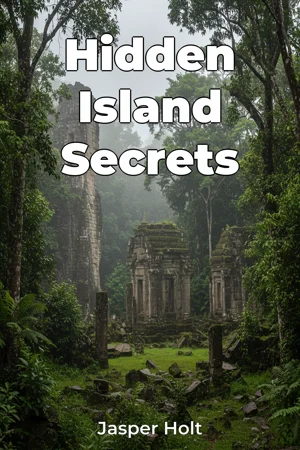
Have you ever wondered what secrets lie hidden on the world's most isolated islands? "Hidden Island Secrets" delves into the captivating and often perplexing histories of remote islands, revealing narratives of forgotten civilizations, unusual governance, and unresolved mysteries. This book explores the allure of these isolated lands, examining their past and present through a multidisciplinary lens. We will embark on a journey exploring islands shrouded in mystery, beginning with several uninhabited locations whose origins and early inhabitants remain largely unknown. Their very existence poses a challenge to established historical narratives and invites speculation about lost cultures and forgotten voyages. We examine archaeological findings, linguistic clues, and geological data to piece together these fragmented stories, acknowledging the limits of current understanding while presenting plausible theories. Further, the book investigates islands with unexpected legal systems and social structures. From self-declared republics to communities governed by unique interpretations of international law, these places offer insights into alternative forms of governance and human organization. The examination of these societal experiments provides valuable lessons about the adaptability and resilience of human communities under unconventional circumstances. The central argument of "Hidden Island Secrets" is that isolated islands serve as microcosms of human history, reflecting broader patterns of exploration, adaptation, and societal development in unique and often magnified ways. By studying these remote locations, we gain a deeper understanding of humanity's capacity for innovation, resilience, and the enduring quest to shape our own destinies. The book is structured in three parts. The first introduces key concepts related to island biogeography, cultural isolation, and the formation of unique societies. The second part examines specific case studies of islands with puzzling histories, including detailed accounts of archaeological discoveries and historical records. The final part draws conclusions about the broader significance of island studies and explores the implications for understanding human history and societal evolution. Supporting the arguments presented, the book draws upon diverse sources of evidence, including archaeological reports, historical documents, ethnographic studies, and geographical surveys. It also incorporates insights from several disciplines, including history, anthropology, geography, political science, and environmental studies. This interdisciplinary approach enriches the analysis and provides a more comprehensive understanding of the complexities of island life. The innovative perspective lies in its comparative approach, juxtaposing islands from different geographical regions and historical periods to identify common themes and divergent patterns. This comparative analysis allows for a more nuanced understanding of the factors that shape island societies and their interaction with the wider world. Written in a clear and accessible style, "Hidden Island Secrets" appeals to a broad audience interested in history, travel, and world cultures. It aims to engage readers with compelling narratives while providing a rigorous and evidence-based analysis of the subject matter. It adheres to the conventions of historical non-fiction, presenting information in a factual and objective manner, while also incorporating elements of travel writing to evoke a sense of place and adventure. The scope of the book is limited to islands with demonstrably unusual or poorly understood histories. It does not attempt to provide a comprehensive survey of all islands but rather focuses on those that offer the most compelling insights into the themes of isolation, adaptation, and societal innovation. The information presented in "Hidden Island Secrets" has practical applications for understanding contemporary issues related to globalization, cultural preservation, and sustainable development. By studying how island communities have adapted to environmental challenges and maintained their cultural identities, we can gain valuable lessons for addressing similar challenges in the modern world. While the book presents well-researched accounts of the islands, it also acknowledges the ongoing debates and controversies surrounding their histories. The interpretations of archaeological findings and historical records are often subject to differing perspectives, and the book aims to present these competing viewpoints in a balanced and objective manner.
Have you ever wondered what secrets lie hidden on the world's most isolated islands? "Hidden Island Secrets" delves into the captivating and often perplexing histories of remote islands, revealing narratives of forgotten civilizations, unusual governance, and unresolved mysteries. This book explores the allure of these isolated lands, examining their past and present through a multidisciplinary lens. We will embark on a journey exploring islands shrouded in mystery, beginning with several uninhabited locations whose origins and early inhabitants remain largely unknown. Their very existence poses a challenge to established historical narratives and invites speculation about lost cultures and forgotten voyages. We examine archaeological findings, linguistic clues, and geological data to piece together these fragmented stories, acknowledging the limits of current understanding while presenting plausible theories. Further, the book investigates islands with unexpected legal systems and social structures. From self-declared republics to communities governed by unique interpretations of international law, these places offer insights into alternative forms of governance and human organization. The examination of these societal experiments provides valuable lessons about the adaptability and resilience of human communities under unconventional circumstances. The central argument of "Hidden Island Secrets" is that isolated islands serve as microcosms of human history, reflecting broader patterns of exploration, adaptation, and societal development in unique and often magnified ways. By studying these remote locations, we gain a deeper understanding of humanity's capacity for innovation, resilience, and the enduring quest to shape our own destinies. The book is structured in three parts. The first introduces key concepts related to island biogeography, cultural isolation, and the formation of unique societies. The second part examines specific case studies of islands with puzzling histories, including detailed accounts of archaeological discoveries and historical records. The final part draws conclusions about the broader significance of island studies and explores the implications for understanding human history and societal evolution. Supporting the arguments presented, the book draws upon diverse sources of evidence, including archaeological reports, historical documents, ethnographic studies, and geographical surveys. It also incorporates insights from several disciplines, including history, anthropology, geography, political science, and environmental studies. This interdisciplinary approach enriches the analysis and provides a more comprehensive understanding of the complexities of island life. The innovative perspective lies in its comparative approach, juxtaposing islands from different geographical regions and historical periods to identify common themes and divergent patterns. This comparative analysis allows for a more nuanced understanding of the factors that shape island societies and their interaction with the wider world. Written in a clear and accessible style, "Hidden Island Secrets" appeals to a broad audience interested in history, travel, and world cultures. It aims to engage readers with compelling narratives while providing a rigorous and evidence-based analysis of the subject matter. It adheres to the conventions of historical non-fiction, presenting information in a factual and objective manner, while also incorporating elements of travel writing to evoke a sense of place and adventure. The scope of the book is limited to islands with demonstrably unusual or poorly understood histories. It does not attempt to provide a comprehensive survey of all islands but rather focuses on those that offer the most compelling insights into the themes of isolation, adaptation, and societal innovation. The information presented in "Hidden Island Secrets" has practical applications for understanding contemporary issues related to globalization, cultural preservation, and sustainable development. By studying how island communities have adapted to environmental challenges and maintained their cultural identities, we can gain valuable lessons for addressing similar challenges in the modern world. While the book presents well-researched accounts of the islands, it also acknowledges the ongoing debates and controversies surrounding their histories. The interpretations of archaeological findings and historical records are often subject to differing perspectives, and the book aims to present these competing viewpoints in a balanced and objective manner.
"Hidden Island Secrets" explores the enigmatic histories of the world's most remote and isolated islands, revealing forgotten civilizations and unusual governance structures. These isolated outposts, often shrouded in mystery, serve as microcosms of human history, highlighting patterns of exploration, adaptation, and societal development. The book delves into archaeological discoveries and historical records, piecing together fragmented stories of islands whose origins challenge established historical narratives. The book examines islands with unique legal systems and social structures, demonstrating the human capacity for resilience and innovation under unconventional circumstances. For instance, it explores self-declared republics and communities with unique interpretations of international law, offering insights into alternative forms of governance. Structured in three parts, it begins by introducing key concepts, then examines specific case studies before drawing conclusions about the broader significance of island studies in understanding human history. Through a comparative approach, "Hidden Island Secrets" juxtaposes islands from different regions and historical periods, identifying common themes and divergent patterns. This interdisciplinary analysis, drawing from history, anthropology, and geography, enriches the understanding of island societies and their interaction with the wider world. The book provides a captivating and evidence-based analysis, appealing to those interested in history, travel, and world cultures.
Book Details
ISBN
9788235259547
Publisher
Publifye AS
Your Licenses
You don't own any licenses for this book
Purchase a license below to unlock this book and download the EPUB.
Purchase License
Select a tier to unlock this book
Need bulk licensing?
Contact us for enterprise agreements.