
About This Book
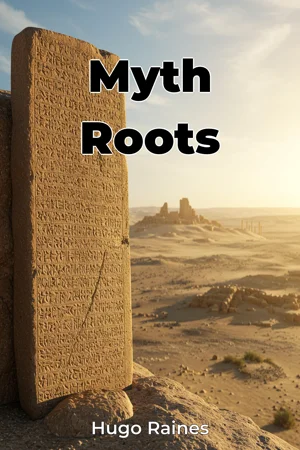
Have you ever wondered if the epic tales of ancient mythology hold a grain of historical truth? Myth Roots delves into that very question, exploring the surprising factual origins of global myths through the lenses of linguistics, ancient texts, and enduring cultural practices. This book examines how these seemingly disparate fields converge to illuminate the possible real-world events and societal structures that gave rise to some of humanity's most enduring stories. Two key concepts shape our exploration: the evolution of language as a historical marker and the consistent threads within geographically diverse cultural practices. Linguistic analysis will dissect the etymology of mythological names and places, searching for cognates and transformations across language families, providing clues to the transmission and alteration of these narratives. Examining cultural practices, from burial rites to seasonal festivals, reveals common motifs that suggest shared origins or independent developments reflecting universal human experiences. These investigations are critical because they allow us to move beyond simple interpretation of myths as pure fantasy and begin to see them as potentially distorted reflections of actual history. Understanding ancient myths necessitates acknowledging the pre-literate societies from which many of them sprang. Often, these myths served as oral histories, moral guides, and explanations for the natural world. This book assumes a basic familiarity with world history and major mythological systems (Greco-Roman, Norse, Egyptian, etc.) but provides context throughout, demystifying complex terminology. Our central argument is that many myths contain kernels of historical reality, albeit heavily embellished and symbolically encoded. By carefully analyzing linguistic patterns, corroborating accounts in ancient texts, and comparing cultural rituals, we can identify these kernels and reconstruct plausible scenarios of their genesis. This argument challenges purely symbolic interpretations of myth, proposing a more nuanced understanding where fact and fiction intertwine. Myth Roots unfolds progressively. We begin by introducing the core methodologies – linguistic analysis, textual criticism, and comparative cultural studies – illustrating each with compelling case studies. The book then develops its argument through three major sections. First, we explore myths related to natural disasters, such as floods and volcanic eruptions, examining geological evidence and cross-cultural narratives for convergent details. Second, we scrutinize myths involving heroes and migrations, analyzing linguistic patterns in place names and correlating them with archaeological findings. Finally, we investigate myths surrounding social and religious practices, seeking connections between ritualistic behavior and social structures in different cultures. The text culminates by demonstrating how understanding the factual roots of myths can provide insights into the development of human thought, social organization, and cultural exchange. Our research draws upon diverse sources: digitized collections of ancient texts (e.g., the Epic of Gilgamesh, the Rigveda, Homeric epics), linguistic databases tracing the evolution of proto-languages, and anthropological studies documenting cultural practices across different societies. We also employ comparative methodologies, juxtaposing similar myths from different cultures to identify shared elements. This book is inherently interdisciplinary, connecting to history, archaeology, anthropology, and linguistics. History provides the overarching timeline and geographical context, aiding in the validation of events. Archaeology offers physical evidence. Anthropology provides insights into cultural contexts, and Linguistics offer evidence of how the stories might have changed to give new meaning. These connections enrich our analysis, offering a more holistic understanding of myth origins. A unique aspect of this book is its emphasis on cross-cultural comparison grounded in rigorous linguistic analysis. Rather than simply drawing parallels between myths, we use linguistic data to trace potential lines of influence and identify genuinely shared origins. The tone is scholarly but accessible, aiming for a broad audience interested in mythology, history, and cultural studies. The writing style avoids excessive jargon, favoring clear explanations and engaging examples. Targeted towards general readers with an interest in mythology, history, linguistics, and cultural studies, offering a novel, fact-based perspective on the origin of myths, this book is valuable because it bridges the gap between fantastical narratives and historical reality, offering profound insights into the human past and enriching the understanding of our shared cultural heritage. As a work of non-fiction, Myth Roots adheres to the genre's conventions of accuracy, objectivity, and evidence-based argumentation. While we strive for comprehensiveness, the scope is limited to myths with identifiable historical or linguistic traces, excluding purely allegorical or symbolic narratives. Understanding the factual roots of myths has real-world applications. It can inform our understanding of cultural identity, intergroup relations, and the enduring power of storytelling. The field of mythology is not without its debates, particularly concerning the interpretation of ancient texts and the reconstruction of historical events. This book engages with these debates, presenting multiple perspectives and acknowledging the limitations of available evidence.
Have you ever wondered if the epic tales of ancient mythology hold a grain of historical truth? Myth Roots delves into that very question, exploring the surprising factual origins of global myths through the lenses of linguistics, ancient texts, and enduring cultural practices. This book examines how these seemingly disparate fields converge to illuminate the possible real-world events and societal structures that gave rise to some of humanity's most enduring stories. Two key concepts shape our exploration: the evolution of language as a historical marker and the consistent threads within geographically diverse cultural practices. Linguistic analysis will dissect the etymology of mythological names and places, searching for cognates and transformations across language families, providing clues to the transmission and alteration of these narratives. Examining cultural practices, from burial rites to seasonal festivals, reveals common motifs that suggest shared origins or independent developments reflecting universal human experiences. These investigations are critical because they allow us to move beyond simple interpretation of myths as pure fantasy and begin to see them as potentially distorted reflections of actual history. Understanding ancient myths necessitates acknowledging the pre-literate societies from which many of them sprang. Often, these myths served as oral histories, moral guides, and explanations for the natural world. This book assumes a basic familiarity with world history and major mythological systems (Greco-Roman, Norse, Egyptian, etc.) but provides context throughout, demystifying complex terminology. Our central argument is that many myths contain kernels of historical reality, albeit heavily embellished and symbolically encoded. By carefully analyzing linguistic patterns, corroborating accounts in ancient texts, and comparing cultural rituals, we can identify these kernels and reconstruct plausible scenarios of their genesis. This argument challenges purely symbolic interpretations of myth, proposing a more nuanced understanding where fact and fiction intertwine. Myth Roots unfolds progressively. We begin by introducing the core methodologies – linguistic analysis, textual criticism, and comparative cultural studies – illustrating each with compelling case studies. The book then develops its argument through three major sections. First, we explore myths related to natural disasters, such as floods and volcanic eruptions, examining geological evidence and cross-cultural narratives for convergent details. Second, we scrutinize myths involving heroes and migrations, analyzing linguistic patterns in place names and correlating them with archaeological findings. Finally, we investigate myths surrounding social and religious practices, seeking connections between ritualistic behavior and social structures in different cultures. The text culminates by demonstrating how understanding the factual roots of myths can provide insights into the development of human thought, social organization, and cultural exchange. Our research draws upon diverse sources: digitized collections of ancient texts (e.g., the Epic of Gilgamesh, the Rigveda, Homeric epics), linguistic databases tracing the evolution of proto-languages, and anthropological studies documenting cultural practices across different societies. We also employ comparative methodologies, juxtaposing similar myths from different cultures to identify shared elements. This book is inherently interdisciplinary, connecting to history, archaeology, anthropology, and linguistics. History provides the overarching timeline and geographical context, aiding in the validation of events. Archaeology offers physical evidence. Anthropology provides insights into cultural contexts, and Linguistics offer evidence of how the stories might have changed to give new meaning. These connections enrich our analysis, offering a more holistic understanding of myth origins. A unique aspect of this book is its emphasis on cross-cultural comparison grounded in rigorous linguistic analysis. Rather than simply drawing parallels between myths, we use linguistic data to trace potential lines of influence and identify genuinely shared origins. The tone is scholarly but accessible, aiming for a broad audience interested in mythology, history, and cultural studies. The writing style avoids excessive jargon, favoring clear explanations and engaging examples. Targeted towards general readers with an interest in mythology, history, linguistics, and cultural studies, offering a novel, fact-based perspective on the origin of myths, this book is valuable because it bridges the gap between fantastical narratives and historical reality, offering profound insights into the human past and enriching the understanding of our shared cultural heritage. As a work of non-fiction, Myth Roots adheres to the genre's conventions of accuracy, objectivity, and evidence-based argumentation. While we strive for comprehensiveness, the scope is limited to myths with identifiable historical or linguistic traces, excluding purely allegorical or symbolic narratives. Understanding the factual roots of myths has real-world applications. It can inform our understanding of cultural identity, intergroup relations, and the enduring power of storytelling. The field of mythology is not without its debates, particularly concerning the interpretation of ancient texts and the reconstruction of historical events. This book engages with these debates, presenting multiple perspectives and acknowledging the limitations of available evidence.
"Myth Roots" explores the fascinating intersection of mythology and history, seeking factual origins within legendary tales. By employing linguistic analysis, scrutiny of ancient texts, and cross-cultural comparisons, the book unveils how myths might reflect distorted versions of historical events and societal structures. For example, linguistic analysis can reveal connections between mythological names across different cultures, hinting at shared origins. Examining cultural practices, such as burial rites, further uncovers common motifs, suggesting either shared ancestry or universal human experiences. The book progresses methodically, starting with core methodologies before diving into specific categories of myths. These include myths related to natural disasters, heroes and migrations, and social and religious practices. Each section analyzes linguistic patterns and corroborates accounts in ancient texts, such as the Epic of Gilgamesh, to identify kernels of historical reality. This interdisciplinary approach, drawing from history, archaeology, and anthropology, offers a unique perspective on understanding the development of human thought and cultural exchange.
Book Details
ISBN
9788235259349
Publisher
Publifye AS
Your Licenses
You don't own any licenses for this book
Purchase a license below to unlock this book and download the EPUB.
Purchase License
Select a tier to unlock this book
Need bulk licensing?
Contact us for enterprise agreements.