
About This Book
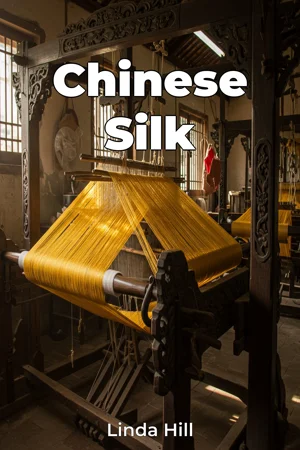
Imagine a single thread capable of shaping empires and connecting disparate cultures across continents. This book, *Chinese Silk*, unveils the intricate story of silk production in ancient China, exploring its profound influence on trade, culture, and diplomacy along the legendary Silk Road. We delve into how a seemingly simple textile became a cornerstone of Chinese society and a coveted commodity that reshaped global interactions. This book examines three key areas: the meticulous process of sericulture and silk weaving in ancient China; the economic impact of silk production and trade, particularly its role in the Silk Road; and the cultural and diplomatic significance of silk as a symbol of status, power, and intercultural exchange. Understanding these topics is crucial for appreciating not only the history of China but also the complex dynamics of early globalization and the lasting legacy of material culture. To fully understand silk's significance, we provide essential historical context, exploring the dynastic cycles of China and the social structures that governed sericulture. Knowledge of basic Chinese geography and an understanding of ancient trade routes will enhance the reader's comprehension. *Chinese Silk* argues that silk was more than just a fabric; it was a catalyst for economic growth, cultural diffusion, and diplomatic engagement that profoundly shaped the ancient world. Its production and distribution fostered innovation, connected distant regions, and served as a potent symbol of Chinese civilization. The book begins by introducing the origins and evolution of sericulture in China, tracing its development from Neolithic times to the imperial era. It then delves into the technical aspects of silk production, detailing the cultivation of silkworms, the reeling of silk fibers, and the complex processes of weaving and dyeing. Subsequently, the book analyzes the economic impact of silk, examining its role in domestic markets, international trade, and the accumulation of wealth. A significant portion of the book is dedicated to the Silk Road, exploring how silk facilitated trade, cultural exchange, and the transmission of ideas between China and the West. Finally, *Chinese Silk* investigates the cultural and diplomatic significance of silk, exploring its use in courtly rituals, religious ceremonies, and as a diplomatic gift. The conclusion synthesizes these findings, highlighting the enduring legacy of silk in shaping Chinese identity and its contributions to global history. This book draws upon a wide range of primary and secondary sources, including archaeological findings, historical texts, and artistic representations. We analyze ancient silk artifacts, examine official court records, and interpret the writings of travelers and merchants who traversed the Silk Road. *Chinese Silk* connects to a variety of other fields, including economics, anthropology, and art history. The economic analysis of silk production offers insights into the dynamics of early capitalism. The anthropological study of silk reveals its significance in shaping social identities and cultural practices. The art historical examination of silk textiles illuminates the aesthetic values and technological achievements of ancient China. This book offers a comprehensive and nuanced perspective on the history of silk, moving beyond a purely economic analysis to explore its cultural and diplomatic dimensions. By integrating archaeological evidence, historical texts, and artistic representations, it provides a rich and multifaceted understanding of silk's significance. The book adopts an academic yet accessible tone, presenting complex information in a clear and engaging manner. This book is intended for students, scholars, and general readers interested in Chinese history, world history, economic history, and material culture. It will be valuable to anyone seeking a deeper understanding of the Silk Road and the global impact of Chinese civilization. As a work of history, the book emphasizes factual accuracy, chronological order, and the rigorous analysis of primary sources. It also engages with existing scholarship in the field, presenting a well-researched and balanced account of the history of silk. The book focuses primarily on the period from ancient times to the end of the Silk Road era, with limited discussion of later developments in silk production. The insights provided in this book can be applied to understanding contemporary global trade networks and the cultural significance of commodities in the modern world. While the importance of silk in ancient China is generally well-accepted, debates continue regarding the precise origins of sericulture and the extent of its influence on different regions along the Silk Road. *Chinese Silk* addresses these debates by presenting a range of perspectives and offering its own informed analysis.
Imagine a single thread capable of shaping empires and connecting disparate cultures across continents. This book, *Chinese Silk*, unveils the intricate story of silk production in ancient China, exploring its profound influence on trade, culture, and diplomacy along the legendary Silk Road. We delve into how a seemingly simple textile became a cornerstone of Chinese society and a coveted commodity that reshaped global interactions. This book examines three key areas: the meticulous process of sericulture and silk weaving in ancient China; the economic impact of silk production and trade, particularly its role in the Silk Road; and the cultural and diplomatic significance of silk as a symbol of status, power, and intercultural exchange. Understanding these topics is crucial for appreciating not only the history of China but also the complex dynamics of early globalization and the lasting legacy of material culture. To fully understand silk's significance, we provide essential historical context, exploring the dynastic cycles of China and the social structures that governed sericulture. Knowledge of basic Chinese geography and an understanding of ancient trade routes will enhance the reader's comprehension. *Chinese Silk* argues that silk was more than just a fabric; it was a catalyst for economic growth, cultural diffusion, and diplomatic engagement that profoundly shaped the ancient world. Its production and distribution fostered innovation, connected distant regions, and served as a potent symbol of Chinese civilization. The book begins by introducing the origins and evolution of sericulture in China, tracing its development from Neolithic times to the imperial era. It then delves into the technical aspects of silk production, detailing the cultivation of silkworms, the reeling of silk fibers, and the complex processes of weaving and dyeing. Subsequently, the book analyzes the economic impact of silk, examining its role in domestic markets, international trade, and the accumulation of wealth. A significant portion of the book is dedicated to the Silk Road, exploring how silk facilitated trade, cultural exchange, and the transmission of ideas between China and the West. Finally, *Chinese Silk* investigates the cultural and diplomatic significance of silk, exploring its use in courtly rituals, religious ceremonies, and as a diplomatic gift. The conclusion synthesizes these findings, highlighting the enduring legacy of silk in shaping Chinese identity and its contributions to global history. This book draws upon a wide range of primary and secondary sources, including archaeological findings, historical texts, and artistic representations. We analyze ancient silk artifacts, examine official court records, and interpret the writings of travelers and merchants who traversed the Silk Road. *Chinese Silk* connects to a variety of other fields, including economics, anthropology, and art history. The economic analysis of silk production offers insights into the dynamics of early capitalism. The anthropological study of silk reveals its significance in shaping social identities and cultural practices. The art historical examination of silk textiles illuminates the aesthetic values and technological achievements of ancient China. This book offers a comprehensive and nuanced perspective on the history of silk, moving beyond a purely economic analysis to explore its cultural and diplomatic dimensions. By integrating archaeological evidence, historical texts, and artistic representations, it provides a rich and multifaceted understanding of silk's significance. The book adopts an academic yet accessible tone, presenting complex information in a clear and engaging manner. This book is intended for students, scholars, and general readers interested in Chinese history, world history, economic history, and material culture. It will be valuable to anyone seeking a deeper understanding of the Silk Road and the global impact of Chinese civilization. As a work of history, the book emphasizes factual accuracy, chronological order, and the rigorous analysis of primary sources. It also engages with existing scholarship in the field, presenting a well-researched and balanced account of the history of silk. The book focuses primarily on the period from ancient times to the end of the Silk Road era, with limited discussion of later developments in silk production. The insights provided in this book can be applied to understanding contemporary global trade networks and the cultural significance of commodities in the modern world. While the importance of silk in ancient China is generally well-accepted, debates continue regarding the precise origins of sericulture and the extent of its influence on different regions along the Silk Road. *Chinese Silk* addresses these debates by presenting a range of perspectives and offering its own informed analysis.
"Chinese Silk" explores the profound impact of silk from ancient China on world history. This book reveals how silk, far more than a mere fabric, became a catalyst for economic growth, cultural exchange, and diplomatic engagement. Silk production was a meticulous process, from the cultivation of silkworms to intricate weaving techniques, and it significantly shaped not only Chinese society but also global interactions along the Silk Road. The book particularly emphasizes silk's role as a symbol of status and power, facilitating intercultural exchange and serving as a potent representation of Chinese civilization to the wider world. The book's approach integrates archaeological findings, historical texts, and artistic depictions to provide a comprehensive understanding of silk’s significance. Beginning with the origins of sericulture, it progresses through the technical aspects of production, the economic impact of trade, and finally, the cultural and diplomatic importance of silk. The Silk Road section examines how silk fostered trade and the transmission of ideas between China and the West. By connecting economics, anthropology, and art history, "Chinese Silk" offers a nuanced perspective valuable to students, scholars, and general readers interested in Chinese and world history.
Book Details
ISBN
9788235259042
Publisher
Publifye AS
Your Licenses
You don't own any licenses for this book
Purchase a license below to unlock this book and download the EPUB.
Purchase License
Select a tier to unlock this book
Need bulk licensing?
Contact us for enterprise agreements.