
About This Book
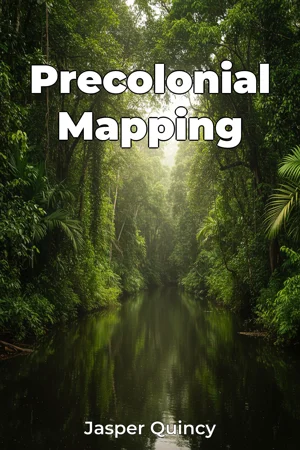
How did societies without formal cartography understand and navigate their world? "Precolonial Mapping" delves into the ingenious methods employed by indigenous cultures to create mental maps, utilize landmarks, and transmit crucial navigational knowledge through oral traditions and symbolic representations. This exploration is vital because it challenges the Western-centric view of mapping and offers invaluable insights into alternative knowledge systems that sustained communities for centuries. This book examines the precolonial techniques of spatial understanding across diverse indigenous societies, focusing on two key areas: the construction of mental maps and the role of oral traditions in transmitting navigational knowledge. Mental maps, the cognitive representations of space, were critical for daily life, resource management, and spiritual connection to the land. Oral traditions, including stories, songs, and rituals, served as dynamic archives of geographical information, adapting to environmental changes, and ensuring the survival of crucial wayfinding skills. Understanding these precolonial systems requires an appreciation of the distinct cultural contexts in which they developed. Indigenous societies often viewed the landscape as animate, imbued with spiritual significance, and intimately linked to their identities. This worldview shaped their understanding of space and influenced the way they represented it. No prior cartographic knowledge is needed to understand the book’s concepts, only an openness to diverse cultural perspectives. "Precolonial Mapping" argues that indigenous mapping systems were not simply primitive precursors to Western cartography but sophisticated and effective ways of understanding and interacting with the environment. They were tailored to the specific needs and cultural values of each community. Understanding these systems offers a more complete and nuanced history of human spatial understanding. The book begins by introducing the concept of precolonial mapping and its significance. It then explores the creation and use of mental maps, analyzing how these cognitive representations were shaped by cultural beliefs and practical necessities. Subsequent chapters investigate the role of oral traditions, examining how stories, songs, and other forms of verbal communication encoded and transmitted geographical knowledge. The investigation culminates by demonstrating the practical applications of indigenous mapping systems in resource management, navigation, and environmental conservation. Evidence will be drawn from a variety of sources, including ethnographies, anthropological studies, archaeological findings, and analyses of indigenous art and symbolism. Oral histories and interviews with indigenous knowledge holders will provide valuable first-hand accounts. This book connects to several other fields, including anthropology, environmental studies, and cognitive science. Anthropological perspectives provide insights into the cultural contexts of indigenous mapping systems. Environmental studies highlight the ecological knowledge embedded in these systems. Cognitive science informs the understanding of how mental maps are constructed and used. "Precolonial Mapping" offers a unique perspective by challenging the conventional definition of mapping and recognizing the validity of non-Western knowledge systems. It moves beyond a purely geographical analysis to explore the cultural, social, and spiritual dimensions of spatial understanding. The book approaches its subject with a respectful and scholarly tone, presenting complex ideas in an accessible manner. It aims to engage readers with compelling narratives and thought-provoking analysis. The intended audience includes students and scholars in history, geography, anthropology, and environmental studies, as well as anyone interested in indigenous cultures and alternative ways of knowing. Readers will find this book valuable because it offers a fresh perspective on the history of mapping and provides insights into sustainable ways of living with the environment. As a work of historical and geographical non-fiction, the book adheres to the conventions of academic rigor, including thorough research, clear argumentation, and proper citation of sources. It strives for accuracy, objectivity, and a balanced presentation of diverse perspectives. The book's scope is broad, covering a range of indigenous societies across different geographical regions. However, it recognizes the limitations of generalizing across diverse cultures and acknowledges that each community has its own unique mapping system. The information presented in this book can be applied to contemporary issues, such as land rights, environmental conservation, and cultural preservation. By understanding indigenous mapping systems, we can learn to better manage resources, protect biodiversity, and promote cultural diversity. While there is growing recognition of the value of indigenous knowledge, debates persist regarding the appropriate ways to incorporate this knowledge into modern systems of governance and resource management. This book aims to contribute to these discussions by providing a deeper understanding of the historical and cultural context of indigenous mapping systems.
How did societies without formal cartography understand and navigate their world? "Precolonial Mapping" delves into the ingenious methods employed by indigenous cultures to create mental maps, utilize landmarks, and transmit crucial navigational knowledge through oral traditions and symbolic representations. This exploration is vital because it challenges the Western-centric view of mapping and offers invaluable insights into alternative knowledge systems that sustained communities for centuries. This book examines the precolonial techniques of spatial understanding across diverse indigenous societies, focusing on two key areas: the construction of mental maps and the role of oral traditions in transmitting navigational knowledge. Mental maps, the cognitive representations of space, were critical for daily life, resource management, and spiritual connection to the land. Oral traditions, including stories, songs, and rituals, served as dynamic archives of geographical information, adapting to environmental changes, and ensuring the survival of crucial wayfinding skills. Understanding these precolonial systems requires an appreciation of the distinct cultural contexts in which they developed. Indigenous societies often viewed the landscape as animate, imbued with spiritual significance, and intimately linked to their identities. This worldview shaped their understanding of space and influenced the way they represented it. No prior cartographic knowledge is needed to understand the book’s concepts, only an openness to diverse cultural perspectives. "Precolonial Mapping" argues that indigenous mapping systems were not simply primitive precursors to Western cartography but sophisticated and effective ways of understanding and interacting with the environment. They were tailored to the specific needs and cultural values of each community. Understanding these systems offers a more complete and nuanced history of human spatial understanding. The book begins by introducing the concept of precolonial mapping and its significance. It then explores the creation and use of mental maps, analyzing how these cognitive representations were shaped by cultural beliefs and practical necessities. Subsequent chapters investigate the role of oral traditions, examining how stories, songs, and other forms of verbal communication encoded and transmitted geographical knowledge. The investigation culminates by demonstrating the practical applications of indigenous mapping systems in resource management, navigation, and environmental conservation. Evidence will be drawn from a variety of sources, including ethnographies, anthropological studies, archaeological findings, and analyses of indigenous art and symbolism. Oral histories and interviews with indigenous knowledge holders will provide valuable first-hand accounts. This book connects to several other fields, including anthropology, environmental studies, and cognitive science. Anthropological perspectives provide insights into the cultural contexts of indigenous mapping systems. Environmental studies highlight the ecological knowledge embedded in these systems. Cognitive science informs the understanding of how mental maps are constructed and used. "Precolonial Mapping" offers a unique perspective by challenging the conventional definition of mapping and recognizing the validity of non-Western knowledge systems. It moves beyond a purely geographical analysis to explore the cultural, social, and spiritual dimensions of spatial understanding. The book approaches its subject with a respectful and scholarly tone, presenting complex ideas in an accessible manner. It aims to engage readers with compelling narratives and thought-provoking analysis. The intended audience includes students and scholars in history, geography, anthropology, and environmental studies, as well as anyone interested in indigenous cultures and alternative ways of knowing. Readers will find this book valuable because it offers a fresh perspective on the history of mapping and provides insights into sustainable ways of living with the environment. As a work of historical and geographical non-fiction, the book adheres to the conventions of academic rigor, including thorough research, clear argumentation, and proper citation of sources. It strives for accuracy, objectivity, and a balanced presentation of diverse perspectives. The book's scope is broad, covering a range of indigenous societies across different geographical regions. However, it recognizes the limitations of generalizing across diverse cultures and acknowledges that each community has its own unique mapping system. The information presented in this book can be applied to contemporary issues, such as land rights, environmental conservation, and cultural preservation. By understanding indigenous mapping systems, we can learn to better manage resources, protect biodiversity, and promote cultural diversity. While there is growing recognition of the value of indigenous knowledge, debates persist regarding the appropriate ways to incorporate this knowledge into modern systems of governance and resource management. This book aims to contribute to these discussions by providing a deeper understanding of the historical and cultural context of indigenous mapping systems.
"Precolonial Mapping" explores how indigenous cultures understood and navigated their environments without formal cartography. Challenging Western-centric views, it reveals sophisticated alternative knowledge systems used for centuries. The book focuses on mental maps, cognitive representations of space crucial for daily life, and oral traditions, dynamic archives of geographical information transmitted through stories and rituals. These systems, tailored to specific cultural values, demonstrate effective ways of interacting with the environment. The book examines diverse indigenous societies, highlighting the cultural significance of landscapes and their connection to identity. Beginning with an introduction to precolonial mapping, it progresses through the creation of mental maps and the role of oral traditions. It investigates applications in resource management, navigation, and conservation. Readers will gain insights into sustainable living and alternative ways of knowing, making it valuable for those interested in history, geography, and indigenous cultures.
Book Details
ISBN
9788235259011
Publisher
Publifye AS
Your Licenses
You don't own any licenses for this book
Purchase a license below to unlock this book and download the EPUB.
Purchase License
Select a tier to unlock this book
Need bulk licensing?
Contact us for enterprise agreements.