
About This Book
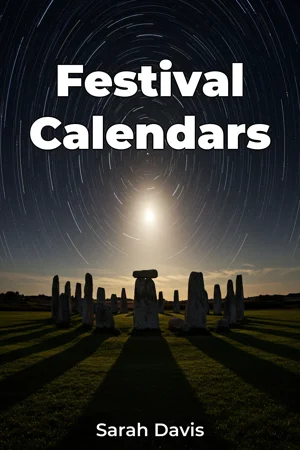
Have you ever wondered why festivals occur when they do? "Festival Calendars" unveils the intricate tapestry of global celebrations, exploring how religious, cultural, and national festivals are meticulously scheduled across diverse societies. This book delves into the historical, astrological, and seasonal influences that shape these observances, revealing the profound connections between humanity and the cosmos. The book centers around three core themes. First, it examines the role of historical events and figures in establishing festival dates, demonstrating how societies commemorate significant moments in their collective past. Second, it investigates the influence of astrological phenomena, such as lunar cycles, solar equinoxes, and planetary alignments, on festival timing, highlighting the enduring human fascination with celestial bodies. Third, the book analyzes the impact of seasonal changes and agricultural cycles on festival calendars, emphasizing the deep roots of many celebrations in the natural world. These topics are vital to understanding how cultures express their identities and values through recurring communal events. Understanding the structure of these calendars requires some basic knowledge of historical record keeping, astronomical cycles, and agrarian societies. From the rise and fall of empires to the predictable path of the sun, these variables have had a significant impact. The central argument of "Festival Calendars" posits that festival calendars are not arbitrary constructs but rather carefully crafted systems that reflect a culture's worldview, historical memory, and relationship with its environment. By understanding these calendars, we gain insights into the core values and beliefs of different societies. The book begins with an introduction to the fundamental principles of calendar construction and the diverse methods used by different cultures to track time. Then, the book progresses through three major sections. The first section traces the historical events and figures that inform festival dates. The second part explores the astrological underpinnings of various festivals, detailing specific celestial events and their cultural interpretations. The third section investigates the seasonal and agricultural roots of festivals, showing how rituals are timed to coincide with planting, harvesting, and other key moments in the agricultural cycle. Each section includes case studies from different regions of the world, illustrating the diversity of festival traditions. The book culminates in a discussion of the practical applications of understanding festival calendars, including promoting intercultural understanding and preserving cultural heritage. The evidence presented in "Festival Calendars" is drawn from a wide range of sources, including historical records, anthropological studies, ethnographic accounts, and astronomical data. Unique data sources include comparative analyses of festival calendars from different cultures and original research on the astrological beliefs of ancient societies. "Festival Calendars" connects to several other fields of study. Anthropology benefits from the book’s in-depth analysis of cultural practices and beliefs surrounding festivals. History is enriched by the examination of how historical events are commemorated through recurring celebrations. Astronomy ties into the investigation of how celestial phenomena influence festival timing. These interdisciplinary connections enhance the book’s argument by providing a more holistic understanding of festival calendars. The book offers a synthetic and comparative approach, analyzing festival calendars from around the world to identify common themes and unique variations. The writing style is scholarly yet accessible, making complex information understandable to a wide audience. The tone is informative and objective, presenting the evidence in a balanced and unbiased manner. The target audience includes students and scholars of religion, history, anthropology, and cultural studies, as well as anyone interested in learning more about global cultures and traditions. This book is valuable to them because it provides a comprehensive and insightful overview of festival calendars, offering a deeper understanding of the cultural and historical forces that shape our world. As a work of non-fiction, "Festival Calendars" adheres to the genre’s conventions by presenting factual information, supporting arguments with evidence, and maintaining an objective tone. The book encompasses a broad range of cultures and time periods, but it does not attempt to provide an exhaustive account of every festival in the world. The scope is limited to those festivals that best illustrate the key themes of historical, astrological, and seasonal influences. The information in "Festival Calendars" can be applied practically by readers in several ways helping to promote intercultural understanding and cultural sensitivity. The book addresses ongoing debates about the role of religion in shaping culture and the impact of globalization on traditional celebrations. By presenting a nuanced and informed perspective, "Festival Calendars" contributes to a deeper understanding of these complex issues.
Have you ever wondered why festivals occur when they do? "Festival Calendars" unveils the intricate tapestry of global celebrations, exploring how religious, cultural, and national festivals are meticulously scheduled across diverse societies. This book delves into the historical, astrological, and seasonal influences that shape these observances, revealing the profound connections between humanity and the cosmos. The book centers around three core themes. First, it examines the role of historical events and figures in establishing festival dates, demonstrating how societies commemorate significant moments in their collective past. Second, it investigates the influence of astrological phenomena, such as lunar cycles, solar equinoxes, and planetary alignments, on festival timing, highlighting the enduring human fascination with celestial bodies. Third, the book analyzes the impact of seasonal changes and agricultural cycles on festival calendars, emphasizing the deep roots of many celebrations in the natural world. These topics are vital to understanding how cultures express their identities and values through recurring communal events. Understanding the structure of these calendars requires some basic knowledge of historical record keeping, astronomical cycles, and agrarian societies. From the rise and fall of empires to the predictable path of the sun, these variables have had a significant impact. The central argument of "Festival Calendars" posits that festival calendars are not arbitrary constructs but rather carefully crafted systems that reflect a culture's worldview, historical memory, and relationship with its environment. By understanding these calendars, we gain insights into the core values and beliefs of different societies. The book begins with an introduction to the fundamental principles of calendar construction and the diverse methods used by different cultures to track time. Then, the book progresses through three major sections. The first section traces the historical events and figures that inform festival dates. The second part explores the astrological underpinnings of various festivals, detailing specific celestial events and their cultural interpretations. The third section investigates the seasonal and agricultural roots of festivals, showing how rituals are timed to coincide with planting, harvesting, and other key moments in the agricultural cycle. Each section includes case studies from different regions of the world, illustrating the diversity of festival traditions. The book culminates in a discussion of the practical applications of understanding festival calendars, including promoting intercultural understanding and preserving cultural heritage. The evidence presented in "Festival Calendars" is drawn from a wide range of sources, including historical records, anthropological studies, ethnographic accounts, and astronomical data. Unique data sources include comparative analyses of festival calendars from different cultures and original research on the astrological beliefs of ancient societies. "Festival Calendars" connects to several other fields of study. Anthropology benefits from the book’s in-depth analysis of cultural practices and beliefs surrounding festivals. History is enriched by the examination of how historical events are commemorated through recurring celebrations. Astronomy ties into the investigation of how celestial phenomena influence festival timing. These interdisciplinary connections enhance the book’s argument by providing a more holistic understanding of festival calendars. The book offers a synthetic and comparative approach, analyzing festival calendars from around the world to identify common themes and unique variations. The writing style is scholarly yet accessible, making complex information understandable to a wide audience. The tone is informative and objective, presenting the evidence in a balanced and unbiased manner. The target audience includes students and scholars of religion, history, anthropology, and cultural studies, as well as anyone interested in learning more about global cultures and traditions. This book is valuable to them because it provides a comprehensive and insightful overview of festival calendars, offering a deeper understanding of the cultural and historical forces that shape our world. As a work of non-fiction, "Festival Calendars" adheres to the genre’s conventions by presenting factual information, supporting arguments with evidence, and maintaining an objective tone. The book encompasses a broad range of cultures and time periods, but it does not attempt to provide an exhaustive account of every festival in the world. The scope is limited to those festivals that best illustrate the key themes of historical, astrological, and seasonal influences. The information in "Festival Calendars" can be applied practically by readers in several ways helping to promote intercultural understanding and cultural sensitivity. The book addresses ongoing debates about the role of religion in shaping culture and the impact of globalization on traditional celebrations. By presenting a nuanced and informed perspective, "Festival Calendars" contributes to a deeper understanding of these complex issues.
"Festival Calendars" explores the rich tapestry of global celebrations, revealing how festivals are scheduled across diverse societies. It delves into the historical significance, astrological influences, and seasonal changes that shape these observances. The book highlights how societies commemorate historical events, such as national independence days or the birthdays of significant figures. It also examines how celestial events, like solstices and equinoxes, play a crucial role in determining festival dates, reflecting humanity's enduring fascination with the cosmos. The book progresses through sections detailing historical events, astrological underpinnings, and seasonal roots of festivals. Each section uses global case studies to illustrate diverse traditions. "Festival Calendars" argues that these calendars aren't arbitrary, but carefully constructed systems reflecting a culture's worldview and relationship with its environment. Understanding festival calendars offers insights into core values and beliefs, making it a valuable resource for anyone interested in religion, history, and the intersection of culture and time.
Book Details
ISBN
9788235258656
Publisher
Publifye AS
Your Licenses
You don't own any licenses for this book
Purchase a license below to unlock this book and download the EPUB.
Purchase License
Select a tier to unlock this book
Need bulk licensing?
Contact us for enterprise agreements.