
About This Book
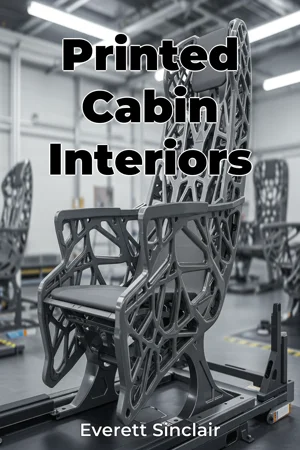
Imagine an aircraft interior tailored precisely to your needs, offering unparalleled comfort and efficiency. This book, "Printed Cabin Interiors," explores the transformative potential of 3D printing in revolutionizing the design and functionality of aircraft cabins. We delve into how additive manufacturing is reshaping the passenger experience, optimizing space, and driving unprecedented levels of customization within the aviation industry. The core topics addressed focus on lightweight seating solutions, modular design principles, and the enhancement of overall passenger comfort through personalized cabin features. These areas are vital as airlines strive to reduce fuel consumption, improve operational efficiency, and cater to increasingly discerning travelers. The book first establishes the background of traditional aircraft interior manufacturing, highlighting its limitations in terms of customization, material usage, and production lead times. It then transitions to an in-depth examination of 3D printing technologies relevant to cabin design, assuming a basic understanding of design principles and material science. Our central argument asserts that 3D printing enables a paradigm shift from standardized, mass-produced interiors to highly customized, on-demand solutions that enhance passenger well-being and airline profitability. This argument is substantiated through a comprehensive analysis of case studies, research findings, and technological advancements. "Printed Cabin Interiors" is structured logically, beginning with an introduction to the fundamentals of 3D printing and its applications in aerospace. It then proceeds to explore the design and manufacturing of lightweight seating structures using advanced materials like polymers and composites. A significant portion of the book is dedicated to modular cabin designs, showcasing how 3D printing facilitates the creation of adaptable and reconfigurable interior layouts. Finally, it culminates in a discussion of practical applications, including the integration of personalized comfort features such as adjustable lighting, optimized climate control, and customized entertainment systems. The book draws upon a wide range of evidence, including academic research papers, industry reports, and patent filings. Unique data sources include interviews with leading aerospace engineers, designers, and manufacturers who are actively involved in the development and implementation of 3D-printed cabin components. "Printed Cabin Interiors" connects interdisciplinary fields such as materials science, engineering, and industrial design, showing how collaborative efforts are crucial for successful innovation. It further explores the intersection of psychology and design, demonstrating how understanding human factors can lead to the creation of more comfortable and user-friendly cabin environments. Finally, it touches upon the economic aspects of 3D printing, analyzing the cost-effectiveness and return on investment for airlines adopting this technology. This book stands out by focusing on the practical implementation aspects of 3D printing in aircraft interiors, offering a balanced perspective that considers both the technical challenges and the economic benefits. This book employs a fact-based, analytical tone, presenting information in a clear and concise manner. It avoids jargon and technical complexities to ensure accessibility for a broad audience. The intended readership includes aerospace engineers, interior designers, airline executives, researchers, and students interested in the future of aviation. This book would be valuable to readers who seek a comprehensive understanding of how 3D printing can transform the design, manufacturing, and functionality of aircraft cabins. As a Design General, Technology, and Design book, it adheres to the conventions of presenting detailed technical information, case studies, and industry trends in a structured and informative manner. The scope of this book is limited to the application of 3D printing in aircraft cabin interiors, specifically focusing on seating, modular designs, and passenger comfort. While it touches upon broader trends in aerospace manufacturing, it does not delve into other applications of 3D printing in aircraft components. The information in this book has several real-world applications, including guiding design decisions, optimizing manufacturing processes, and informing investment strategies within the aviation industry. It also offers valuable insights for entrepreneurs and startups seeking to develop innovative solutions for aircraft interiors. Finally, the book acknowledges ongoing debates surrounding the certification and regulation of 3D-printed aircraft components, offering a balanced perspective on the challenges and opportunities associated with this emerging technology.
Imagine an aircraft interior tailored precisely to your needs, offering unparalleled comfort and efficiency. This book, "Printed Cabin Interiors," explores the transformative potential of 3D printing in revolutionizing the design and functionality of aircraft cabins. We delve into how additive manufacturing is reshaping the passenger experience, optimizing space, and driving unprecedented levels of customization within the aviation industry. The core topics addressed focus on lightweight seating solutions, modular design principles, and the enhancement of overall passenger comfort through personalized cabin features. These areas are vital as airlines strive to reduce fuel consumption, improve operational efficiency, and cater to increasingly discerning travelers. The book first establishes the background of traditional aircraft interior manufacturing, highlighting its limitations in terms of customization, material usage, and production lead times. It then transitions to an in-depth examination of 3D printing technologies relevant to cabin design, assuming a basic understanding of design principles and material science. Our central argument asserts that 3D printing enables a paradigm shift from standardized, mass-produced interiors to highly customized, on-demand solutions that enhance passenger well-being and airline profitability. This argument is substantiated through a comprehensive analysis of case studies, research findings, and technological advancements. "Printed Cabin Interiors" is structured logically, beginning with an introduction to the fundamentals of 3D printing and its applications in aerospace. It then proceeds to explore the design and manufacturing of lightweight seating structures using advanced materials like polymers and composites. A significant portion of the book is dedicated to modular cabin designs, showcasing how 3D printing facilitates the creation of adaptable and reconfigurable interior layouts. Finally, it culminates in a discussion of practical applications, including the integration of personalized comfort features such as adjustable lighting, optimized climate control, and customized entertainment systems. The book draws upon a wide range of evidence, including academic research papers, industry reports, and patent filings. Unique data sources include interviews with leading aerospace engineers, designers, and manufacturers who are actively involved in the development and implementation of 3D-printed cabin components. "Printed Cabin Interiors" connects interdisciplinary fields such as materials science, engineering, and industrial design, showing how collaborative efforts are crucial for successful innovation. It further explores the intersection of psychology and design, demonstrating how understanding human factors can lead to the creation of more comfortable and user-friendly cabin environments. Finally, it touches upon the economic aspects of 3D printing, analyzing the cost-effectiveness and return on investment for airlines adopting this technology. This book stands out by focusing on the practical implementation aspects of 3D printing in aircraft interiors, offering a balanced perspective that considers both the technical challenges and the economic benefits. This book employs a fact-based, analytical tone, presenting information in a clear and concise manner. It avoids jargon and technical complexities to ensure accessibility for a broad audience. The intended readership includes aerospace engineers, interior designers, airline executives, researchers, and students interested in the future of aviation. This book would be valuable to readers who seek a comprehensive understanding of how 3D printing can transform the design, manufacturing, and functionality of aircraft cabins. As a Design General, Technology, and Design book, it adheres to the conventions of presenting detailed technical information, case studies, and industry trends in a structured and informative manner. The scope of this book is limited to the application of 3D printing in aircraft cabin interiors, specifically focusing on seating, modular designs, and passenger comfort. While it touches upon broader trends in aerospace manufacturing, it does not delve into other applications of 3D printing in aircraft components. The information in this book has several real-world applications, including guiding design decisions, optimizing manufacturing processes, and informing investment strategies within the aviation industry. It also offers valuable insights for entrepreneurs and startups seeking to develop innovative solutions for aircraft interiors. Finally, the book acknowledges ongoing debates surrounding the certification and regulation of 3D-printed aircraft components, offering a balanced perspective on the challenges and opportunities associated with this emerging technology.
"Printed Cabin Interiors" explores how 3D printing is revolutionizing aircraft cabin design, enhancing passenger comfort, and boosting airline profitability. This technology enables customized, lightweight seating and modular designs, addressing the aviation industry's need for fuel efficiency and personalized passenger experiences. Imagine cabins tailored precisely to individual preferences, offering adjustable lighting and climate control – a level of customization previously unattainable. The book uniquely focuses on the practical implementation of 3D printing, balancing technical challenges with economic benefits. It begins by establishing the limitations of traditional manufacturing before delving into relevant 3D printing technologies. A key argument is that additive manufacturing shifts from standardized interiors to on-demand solutions, substantiated by case studies and research. Progressing logically, the book introduces 3D printing fundamentals and aerospace applications. It then explores lightweight seating design, modular cabin concepts, and personalized comfort features. This approach connects materials science, engineering, and industrial design, offering valuable insights for engineers, designers, and airline executives.
Book Details
ISBN
9788235258403
Publisher
Publifye AS
Your Licenses
You don't own any licenses for this book
Purchase a license below to unlock this book and download the EPUB.
Purchase License
Select a tier to unlock this book
Need bulk licensing?
Contact us for enterprise agreements.