
About This Book
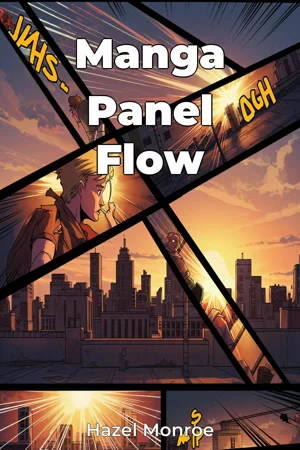
Have you ever considered how the arrangement of panels on a page impacts the emotional weight of a manga or comic scene? This book, "Manga Panel Flow," delves into the crucial role of panel layout, composition, and pacing in visual storytelling, exploring how these elements work in harmony to create engaging and impactful narratives. The book primarily focuses on two key concepts: the deliberate design of panel arrangements to guide the reader's eye and the strategic manipulation of pacing to control the flow of information and emotion. Understanding these techniques is essential for both aspiring and established comic artists, as well as anyone interested in the art of visual communication and sequential storytelling. "Manga Panel Flow" argues that effective panel design is not merely an aesthetic choice but a fundamental element of narrative construction. The book emphasizes that the arrangement of panels on a page, the composition within each panel, and the pacing between panels directly influence the reader's comprehension and emotional experience. The book is structured to provide a comprehensive understanding of panel flow. First, it introduces the fundamental principles of panel layout and composition, exploring how different arrangements affect readability and visual hierarchy. The book then examines the concept of pacing, demonstrating how variations in panel size, shape, and content can be used to speed up or slow down the narrative, creating suspense, building tension, or allowing for moments of reflection. Major sections include the analysis of different page layouts and their effects, the application of compositional techniques within panels to guide the reader’s eye, and the use of visual cues and transitions to create a cohesive and engaging reading experience. It culminates in practical exercises and case studies, illustrating how these principles can be applied across various genres and styles. The analysis presented relies on a diverse range of illustrative examples drawn from both classic and contemporary manga and comics, providing a rich visual resource for readers. Specific attention is given to the works of influential artists and their innovative approaches to panel design. This book connects to the broader fields of visual communication, graphic design, and film studies, examining how principles of visual hierarchy, composition, and editing are applied in sequential art. It also touches upon aspects of cognitive psychology, explaining how visual elements influence perception and emotional response. "Manga Panel Flow" takes a practical and analytical approach, breaking down complex concepts into easily digestible lessons and providing clear, actionable advice for artists. The book is primarily aimed at aspiring comic artists, illustrators, and graphic designers, as well as students of visual communication and sequential art. It is also relevant to anyone interested in understanding the techniques of visual storytelling and the power of effective design. As a work in the design and art genres, this book combines theoretical discussion with practical application, offering a blend of analysis, instruction, and inspiration. The scope of the book is intentionally focused on the core elements of panel layout, composition, and pacing, setting aside adjacent areas such as character design or scriptwriting unless they are directly relevant to the flow of panels. The techniques discussed in this book can be immediately applied by artists to improve the clarity, impact, and emotional resonance of their work. By mastering the art of panel flow, artists can elevate their storytelling and create more immersive and engaging reading experiences for their audience.
Have you ever considered how the arrangement of panels on a page impacts the emotional weight of a manga or comic scene? This book, "Manga Panel Flow," delves into the crucial role of panel layout, composition, and pacing in visual storytelling, exploring how these elements work in harmony to create engaging and impactful narratives. The book primarily focuses on two key concepts: the deliberate design of panel arrangements to guide the reader's eye and the strategic manipulation of pacing to control the flow of information and emotion. Understanding these techniques is essential for both aspiring and established comic artists, as well as anyone interested in the art of visual communication and sequential storytelling. "Manga Panel Flow" argues that effective panel design is not merely an aesthetic choice but a fundamental element of narrative construction. The book emphasizes that the arrangement of panels on a page, the composition within each panel, and the pacing between panels directly influence the reader's comprehension and emotional experience. The book is structured to provide a comprehensive understanding of panel flow. First, it introduces the fundamental principles of panel layout and composition, exploring how different arrangements affect readability and visual hierarchy. The book then examines the concept of pacing, demonstrating how variations in panel size, shape, and content can be used to speed up or slow down the narrative, creating suspense, building tension, or allowing for moments of reflection. Major sections include the analysis of different page layouts and their effects, the application of compositional techniques within panels to guide the reader’s eye, and the use of visual cues and transitions to create a cohesive and engaging reading experience. It culminates in practical exercises and case studies, illustrating how these principles can be applied across various genres and styles. The analysis presented relies on a diverse range of illustrative examples drawn from both classic and contemporary manga and comics, providing a rich visual resource for readers. Specific attention is given to the works of influential artists and their innovative approaches to panel design. This book connects to the broader fields of visual communication, graphic design, and film studies, examining how principles of visual hierarchy, composition, and editing are applied in sequential art. It also touches upon aspects of cognitive psychology, explaining how visual elements influence perception and emotional response. "Manga Panel Flow" takes a practical and analytical approach, breaking down complex concepts into easily digestible lessons and providing clear, actionable advice for artists. The book is primarily aimed at aspiring comic artists, illustrators, and graphic designers, as well as students of visual communication and sequential art. It is also relevant to anyone interested in understanding the techniques of visual storytelling and the power of effective design. As a work in the design and art genres, this book combines theoretical discussion with practical application, offering a blend of analysis, instruction, and inspiration. The scope of the book is intentionally focused on the core elements of panel layout, composition, and pacing, setting aside adjacent areas such as character design or scriptwriting unless they are directly relevant to the flow of panels. The techniques discussed in this book can be immediately applied by artists to improve the clarity, impact, and emotional resonance of their work. By mastering the art of panel flow, artists can elevate their storytelling and create more immersive and engaging reading experiences for their audience.
"Manga Panel Flow" explores the art of visual storytelling through effective panel design, essential for comic artists and those in graphic design. It argues that panel layout, composition, and pacing are not mere aesthetics but vital elements of narrative construction. Understanding how artists guide the reader's eye and manipulate pacing can significantly impact the emotional weight of a scene. For instance, varying panel size can build suspense or allow for reflection. This book reveals how deliberate design choices influence comprehension and emotional response, crucial for creating immersive reading experiences. The book progresses from fundamental principles of panel layout and composition to the strategic manipulation of pacing, using examples from classic and contemporary manga. Specific attention is given to the works of influential artists and their innovative approaches to panel design. By analyzing different page layouts and compositional techniques, "Manga Panel Flow" provides actionable advice, improving clarity and impact.
Book Details
ISBN
9788235258380
Publisher
Publifye AS
Your Licenses
You don't own any licenses for this book
Purchase a license below to unlock this book and download the EPUB.
Purchase License
Select a tier to unlock this book
Need bulk licensing?
Contact us for enterprise agreements.