
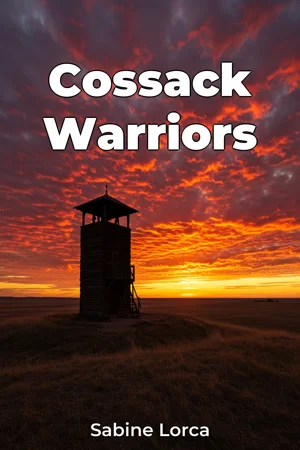
About This Book
Who were the Cossacks, and what role did these fierce warriors truly play in shaping the vast landscape of Russian military history? "Cossack Warriors" delves into the multifaceted world of these enigmatic figures, exploring their unique autonomy, their undeniable military prowess, and their profound impact on regional conflicts spanning centuries. Understanding the Cossacks is crucial to grasping the complex tapestry of Eastern European history, offering insights into the dynamics of power, the interplay of cultures, and the enduring legacy of a people who defied easy categorization. This book examines three core themes: the Cossacks' military contributions to Russia, their struggle for self-governance, and their involvement in various regional conflicts. We analyze how the Cossacks, initially frontier dwellers and escapees, transformed into a significant military force within the Russian Empire, often serving as border guards and shock troops. Their inherent autonomy—a blend of self-rule and service to the Tsar—is a central focus, charting the ebb and flow of their freedoms and the constant tension between independence and imperial control. Finally, the book scrutinizes the Cossacks' participation in numerous conflicts, from wars against the Ottoman Empire and various steppe peoples to internal rebellions and the Russian Civil War, revealing their complex and often contradictory roles. To fully appreciate the Cossack phenomenon, a basic understanding of Eastern European geography and political history is helpful. The story unfolds against the backdrop of expanding empires, shifting alliances, and the constant struggle for control of fertile lands and strategic waterways. Prior knowledge of Russian history, particularly the reigns of the Tsars and the expansion of the Russian Empire, will further enrich the reader's understanding. The central argument of "Cossack Warriors" is that the Cossacks were not simply a monolithic military force or a romanticized symbol of frontier freedom, but a dynamic and evolving society whose identity and actions were shaped by a complex interplay of internal aspirations and external pressures. Their ambiguous status—both servants and challengers of the Russian state—led to a legacy of both glory and tragedy, influencing the course of Russian and Eastern European history. The book begins by establishing the origins of the Cossacks, their social structure, and their unique form of self-government. It then progresses through key periods of Cossack history, examining their role in major wars and uprisings. Several chapters are dedicated to analyzing the Cossack's autonomy, their complex relations with central Russian authority and to how the Russian Tsarist and later Soviet governments instrumentalized the Cossack identity for political and military gain. Finally, the book concludes by assessing the enduring legacy of the Cossacks in modern Russia and Ukraine, considering their symbolic weight and their impact on contemporary identity politics. This exploration relies on diverse sources: archival documents, military records, folk songs, and scholarly analyses. Primary source accounts from Cossack chronicles and participant narratives offer rich perspectives, while contemporary research provides critical interpretations. The analysis uses interdisciplinary connections between military history, social anthropology, and political science. Military history provides the factual context for the battles and campaigns. Social anthropology helps for the cultural background and identity of the Cossacks. Political science helps to analyze the power dynamics between the Cossacks and the Russian state. "Cossack Warriors" stands apart by offering a balanced and nuanced perspective on the Cossacks, avoiding both romantic idealization and simplistic condemnation. It integrates diverse sources and perspectives to create a comprehensive and accessible account suitable for both academic researchers and general readers. The tone throughout is analytical and objective, aiming to present a clear and factual account of Cossack history. While acknowledging the romanticized image of the Cossack warrior, the book maintains a critical distance, examining the realities of their lives and their impact on the broader historical landscape. This book is aimed at anyone interested in Russian history, military history, or the history of Eastern Europe. It offers valuable insights for students, researchers, and general readers seeking a deeper understanding of this fascinating and complex historical phenomenon. As a work of non-fiction history, "Cossack Warriors" adheres to the standards of historical accuracy and scholarly rigor. Sources are meticulously cited, and interpretations are grounded in evidence. The scope of this book is intentionally broad, covering several centuries of Cossack history. However, it focuses primarily on the Cossacks within the Russian Empire, acknowledging that Cossack communities also existed in other regions. While a work of history, the book also has real-world applications: Understanding the complex dynamics between central authority and regional autonomy, the formation of identity, and the factors that shape political and military allegiance. The history of the Cossacks is not without its controversies. Interpretations of their role in pogroms and their allegiance during periods of internal conflict are subject to ongoing debate. This book aims to address these controversies in a balanced and nuanced manner, presenting different perspectives and encouraging critical thinking.
Who were the Cossacks, and what role did these fierce warriors truly play in shaping the vast landscape of Russian military history? "Cossack Warriors" delves into the multifaceted world of these enigmatic figures, exploring their unique autonomy, their undeniable military prowess, and their profound impact on regional conflicts spanning centuries. Understanding the Cossacks is crucial to grasping the complex tapestry of Eastern European history, offering insights into the dynamics of power, the interplay of cultures, and the enduring legacy of a people who defied easy categorization. This book examines three core themes: the Cossacks' military contributions to Russia, their struggle for self-governance, and their involvement in various regional conflicts. We analyze how the Cossacks, initially frontier dwellers and escapees, transformed into a significant military force within the Russian Empire, often serving as border guards and shock troops. Their inherent autonomy—a blend of self-rule and service to the Tsar—is a central focus, charting the ebb and flow of their freedoms and the constant tension between independence and imperial control. Finally, the book scrutinizes the Cossacks' participation in numerous conflicts, from wars against the Ottoman Empire and various steppe peoples to internal rebellions and the Russian Civil War, revealing their complex and often contradictory roles. To fully appreciate the Cossack phenomenon, a basic understanding of Eastern European geography and political history is helpful. The story unfolds against the backdrop of expanding empires, shifting alliances, and the constant struggle for control of fertile lands and strategic waterways. Prior knowledge of Russian history, particularly the reigns of the Tsars and the expansion of the Russian Empire, will further enrich the reader's understanding. The central argument of "Cossack Warriors" is that the Cossacks were not simply a monolithic military force or a romanticized symbol of frontier freedom, but a dynamic and evolving society whose identity and actions were shaped by a complex interplay of internal aspirations and external pressures. Their ambiguous status—both servants and challengers of the Russian state—led to a legacy of both glory and tragedy, influencing the course of Russian and Eastern European history. The book begins by establishing the origins of the Cossacks, their social structure, and their unique form of self-government. It then progresses through key periods of Cossack history, examining their role in major wars and uprisings. Several chapters are dedicated to analyzing the Cossack's autonomy, their complex relations with central Russian authority and to how the Russian Tsarist and later Soviet governments instrumentalized the Cossack identity for political and military gain. Finally, the book concludes by assessing the enduring legacy of the Cossacks in modern Russia and Ukraine, considering their symbolic weight and their impact on contemporary identity politics. This exploration relies on diverse sources: archival documents, military records, folk songs, and scholarly analyses. Primary source accounts from Cossack chronicles and participant narratives offer rich perspectives, while contemporary research provides critical interpretations. The analysis uses interdisciplinary connections between military history, social anthropology, and political science. Military history provides the factual context for the battles and campaigns. Social anthropology helps for the cultural background and identity of the Cossacks. Political science helps to analyze the power dynamics between the Cossacks and the Russian state. "Cossack Warriors" stands apart by offering a balanced and nuanced perspective on the Cossacks, avoiding both romantic idealization and simplistic condemnation. It integrates diverse sources and perspectives to create a comprehensive and accessible account suitable for both academic researchers and general readers. The tone throughout is analytical and objective, aiming to present a clear and factual account of Cossack history. While acknowledging the romanticized image of the Cossack warrior, the book maintains a critical distance, examining the realities of their lives and their impact on the broader historical landscape. This book is aimed at anyone interested in Russian history, military history, or the history of Eastern Europe. It offers valuable insights for students, researchers, and general readers seeking a deeper understanding of this fascinating and complex historical phenomenon. As a work of non-fiction history, "Cossack Warriors" adheres to the standards of historical accuracy and scholarly rigor. Sources are meticulously cited, and interpretations are grounded in evidence. The scope of this book is intentionally broad, covering several centuries of Cossack history. However, it focuses primarily on the Cossacks within the Russian Empire, acknowledging that Cossack communities also existed in other regions. While a work of history, the book also has real-world applications: Understanding the complex dynamics between central authority and regional autonomy, the formation of identity, and the factors that shape political and military allegiance. The history of the Cossacks is not without its controversies. Interpretations of their role in pogroms and their allegiance during periods of internal conflict are subject to ongoing debate. This book aims to address these controversies in a balanced and nuanced manner, presenting different perspectives and encouraging critical thinking.
"Cossack Warriors" explores the history of the Cossacks, a unique group of steppe peoples who significantly impacted Russian military history and Eastern European affairs. The book examines their evolution from frontier dwellers to a formidable military force within the Russian Empire, highlighting their complex relationship with Tsarist Russia. It emphasizes their struggle for autonomy and self-governance while serving as border guards and shock troops. The study reveals that the Cossacks were not simply warriors but a dynamic society shaped by both internal aspirations and external pressures. The book analyzes their participation in numerous regional conflicts, including wars against the Ottoman Empire and internal rebellions, showcasing their often contradictory roles. The approach integrates military history, social anthropology, and political science to provide a comprehensive understanding of the Cossack phenomenon. Beginning with the origins and social structure of the Cossacks, the book progresses through key historical periods, examining their involvement in major wars and their intricate relations with Russian authorities. It dedicates chapters to analyzing their autonomy and the instrumentalization of Cossack identity by Russian governments. Concluding with an assessment of their enduring legacy in modern Russia and Ukraine, the book offers a balanced and nuanced perspective suitable for both academic researchers and general readers interested in world history and military history.
Book Details
ISBN
9788235258373
Publisher
Publifye AS
Your Licenses
You don't own any licenses for this book
Purchase a license below to unlock this book and download the EPUB.
Purchase License
Select a tier to unlock this book
Need bulk licensing?
Contact us for enterprise agreements.