
About This Book
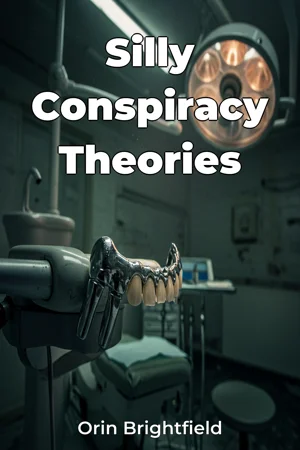
Have you ever wondered how some conspiracy theories become so outlandish they transcend mere belief and enter the realm of jokes? "Silly Conspiracy Theories" delves into the strange world of fringe beliefs, examining how certain theories become cultural touchstones of absurdity. This book explores the history, psychology, and societal impact of these often-ridiculed ideas. We will investigate several key themes. First, we analyze the origins and evolution of specific conspiracy theories, from the persistent notion of secret moon bases to the bizarre claims of celebrity replacements. Second, we dissect the psychological mechanisms that make these theories appealing, exploring concepts like confirmation bias and the human desire for simple explanations in a complex world. Third, we assess the cultural impact, examining how these theories are reflected in popular culture and how they contribute to broader trends of skepticism and misinformation. Understanding these concepts requires a basic understanding of cognitive biases and the historical context in which these theories arose. For instance, the Cold War era's atmosphere of suspicion contributed significantly to the rise of many popular conspiracy narratives. The central argument of "Silly Conspiracy Theories" is that even the most ridiculous conspiracy theories offer valuable insights into human psychology and the dynamics of cultural narratives. By examining these extreme examples, we can better understand the appeal of conspiracy thinking in general and develop strategies for more critical engagement with information. The book is structured as follows: The introduction outlines the conceptual framework for analyzing conspiracy theories, differentiating between plausible and patently absurd claims. Part one then examines specific cases of silly conspiracy theories, tracing their origins, spread, and evolution. Examples include theories surrounding faked celebrity deaths, the existence of subterranean civilizations, and government control through dental fillings. Part two delves into the psychological and sociological underpinnings of these beliefs, drawing on research in cognitive science, social psychology, and media studies. This section explores how factors like social anxieties, distrust in authority, and the desire for community contribute to the acceptance and perpetuation of unusual theories. Part three analyzes the role of popular culture in shaping and reflecting these theories. It considers how silly conspiracy theories are portrayed in films, television, and internet memes. The conclusion summarizes the key findings and discusses the practical implications for media literacy and critical thinking in an age of widespread misinformation. The analysis relies on a variety of sources, including historical records, media reports, academic studies, and online forums where these theories are discussed and debated. Original interviews with people who either believe in or actively debunk these theories will also be included. This book connects to other fields such as sociology (understanding group dynamics and belief systems), psychology (analyzing cognitive biases and motivations), and media studies (examining the role of media in shaping public perceptions). These connections broaden the scope of the analysis and offer a more nuanced understanding of the subject matter. This book takes a unique approach by focusing specifically on conspiracy theories that are widely considered to be jokes. By examining these extreme examples, the book sheds light on the broader phenomenon of conspiracy thinking and its implications for society. The tone is informative and accessible, aiming to engage a broad audience without sacrificing scholarly rigor. The writing style combines narrative storytelling with analytical arguments to create a compelling and thought-provoking reading experience. The target audience includes anyone interested in history, current events, psychology, and popular culture. It will be particularly valuable for students, educators, and anyone seeking to understand the appeal and impact of conspiracy theories in today's world. As a work of history and current events, the book adheres to the principles of factual accuracy and balanced reporting. While exploring outlandish claims, the book maintains a skeptical and evidence-based approach. The scope is limited to conspiracy theories that have achieved a certain level of cultural recognition and are widely regarded as absurd. The book does not attempt to cover every conspiracy theory in existence but rather focuses on a selection of representative examples. The information in this book can be applied practically to improve media literacy, enhance critical thinking skills, and promote more informed discussions about complex social issues. While the book focuses on silly conspiracy theories, it acknowledges the ongoing debates about the nature of truth, evidence, and the role of skepticism in a democratic society.
Have you ever wondered how some conspiracy theories become so outlandish they transcend mere belief and enter the realm of jokes? "Silly Conspiracy Theories" delves into the strange world of fringe beliefs, examining how certain theories become cultural touchstones of absurdity. This book explores the history, psychology, and societal impact of these often-ridiculed ideas. We will investigate several key themes. First, we analyze the origins and evolution of specific conspiracy theories, from the persistent notion of secret moon bases to the bizarre claims of celebrity replacements. Second, we dissect the psychological mechanisms that make these theories appealing, exploring concepts like confirmation bias and the human desire for simple explanations in a complex world. Third, we assess the cultural impact, examining how these theories are reflected in popular culture and how they contribute to broader trends of skepticism and misinformation. Understanding these concepts requires a basic understanding of cognitive biases and the historical context in which these theories arose. For instance, the Cold War era's atmosphere of suspicion contributed significantly to the rise of many popular conspiracy narratives. The central argument of "Silly Conspiracy Theories" is that even the most ridiculous conspiracy theories offer valuable insights into human psychology and the dynamics of cultural narratives. By examining these extreme examples, we can better understand the appeal of conspiracy thinking in general and develop strategies for more critical engagement with information. The book is structured as follows: The introduction outlines the conceptual framework for analyzing conspiracy theories, differentiating between plausible and patently absurd claims. Part one then examines specific cases of silly conspiracy theories, tracing their origins, spread, and evolution. Examples include theories surrounding faked celebrity deaths, the existence of subterranean civilizations, and government control through dental fillings. Part two delves into the psychological and sociological underpinnings of these beliefs, drawing on research in cognitive science, social psychology, and media studies. This section explores how factors like social anxieties, distrust in authority, and the desire for community contribute to the acceptance and perpetuation of unusual theories. Part three analyzes the role of popular culture in shaping and reflecting these theories. It considers how silly conspiracy theories are portrayed in films, television, and internet memes. The conclusion summarizes the key findings and discusses the practical implications for media literacy and critical thinking in an age of widespread misinformation. The analysis relies on a variety of sources, including historical records, media reports, academic studies, and online forums where these theories are discussed and debated. Original interviews with people who either believe in or actively debunk these theories will also be included. This book connects to other fields such as sociology (understanding group dynamics and belief systems), psychology (analyzing cognitive biases and motivations), and media studies (examining the role of media in shaping public perceptions). These connections broaden the scope of the analysis and offer a more nuanced understanding of the subject matter. This book takes a unique approach by focusing specifically on conspiracy theories that are widely considered to be jokes. By examining these extreme examples, the book sheds light on the broader phenomenon of conspiracy thinking and its implications for society. The tone is informative and accessible, aiming to engage a broad audience without sacrificing scholarly rigor. The writing style combines narrative storytelling with analytical arguments to create a compelling and thought-provoking reading experience. The target audience includes anyone interested in history, current events, psychology, and popular culture. It will be particularly valuable for students, educators, and anyone seeking to understand the appeal and impact of conspiracy theories in today's world. As a work of history and current events, the book adheres to the principles of factual accuracy and balanced reporting. While exploring outlandish claims, the book maintains a skeptical and evidence-based approach. The scope is limited to conspiracy theories that have achieved a certain level of cultural recognition and are widely regarded as absurd. The book does not attempt to cover every conspiracy theory in existence but rather focuses on a selection of representative examples. The information in this book can be applied practically to improve media literacy, enhance critical thinking skills, and promote more informed discussions about complex social issues. While the book focuses on silly conspiracy theories, it acknowledges the ongoing debates about the nature of truth, evidence, and the role of skepticism in a democratic society.
"Silly Conspiracy Theories" explores the captivating realm of absurd fringe beliefs, dissecting how these theories become cultural touchstones despite their outlandish nature. The book examines the origins, psychology, and societal impact of these ideas, presenting a unique perspective on conspiracy thinking. For instance, the persistent myth of secret moon bases reveals our fascination with the unknown, while claims of celebrity replacements reflect anxieties about authenticity in popular culture. The book progresses from outlining a framework for analyzing conspiracy theories to examining specific cases, such as theories surrounding faked deaths and subterranean civilizations. It then delves into the psychological and sociological underpinnings, drawing from cognitive science and media studies to understand how social anxieties and distrust in authority contribute to these beliefs. Lastly, the role of popular culture in shaping and reflecting these theories is analyzed. This approach provides valuable insights into misinformation and the importance of critical thinking in today's world.
Book Details
ISBN
9788235258298
Publisher
Publifye AS
Your Licenses
You don't own any licenses for this book
Purchase a license below to unlock this book and download the EPUB.
Purchase License
Select a tier to unlock this book
Need bulk licensing?
Contact us for enterprise agreements.