
About This Book
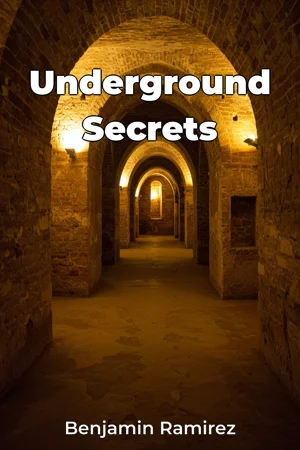
Have you ever wondered what lies beneath our feet, hidden from plain sight? "Underground Secrets" delves into the captivating world of subterranean architecture, exploring the diverse purposes, historical contexts, and enduring mysteries of tunnels, buried cities, and underground passages. Its significance lies in revealing how these often-overlooked spaces have shaped human history, offering protection, enabling escape, and facilitating clandestine activities across cultures and eras. This exploration begins with an investigation into the origins of underground structures, tracing their development from ancient times to the modern era. The book examines how geographical constraints, conflict, and the human desire for security drove the creation of these hidden realms. Understanding the historical context provides a crucial foundation for appreciating the ingenuity and resourcefulness of those who conceived and constructed these subterranean spaces. The central argument of "Underground Secrets" is that these underground structures represent not merely architectural feats but also powerful reflections of societal anxieties, aspirations, and adaptations to environmental or political pressures. They serve as tangible manifestations of human resilience and ingenuity, offering insights into the past and informing our understanding of present-day challenges. The book is structured to provide a comprehensive overview: a) An introduction establishes fundamental concepts related to underground architecture, defining key terms and outlining the scope of the investigation. b) The development of ideas unfolds through thematic chapters. One section explores underground structures built for protection, such as bunkers and bomb shelters, detailing their design, construction, and impact on civilian populations during wartime. Another section investigates underground cities and settlements, examining their social and economic organization, as well as the challenges of sustaining life in these subterranean environments. A further segment scrutinizes secret tunnels employed for smuggling, espionage, or escape, revealing the intricate engineering and strategic planning involved. c) The culmination of the argument synthesizes the findings from each chapter, highlighting the common threads that connect these diverse examples of underground architecture. It emphasizes the enduring relevance of these spaces in shaping human history and influencing contemporary urban planning and security strategies. d) Practical applications and implications are discussed, considering the potential for utilizing underground spaces to address modern challenges such as climate change, population density, and resource management. Evidence and research presented throughout "Underground Secrets" are drawn from a variety of sources, including archaeological surveys, historical documents, architectural plans, and engineering reports. The book integrates interdisciplinary perspectives from history, architecture, and urban planning, offering a multifaceted understanding of underground structures. For instance, the book connects to the field of urban planning by considering how subterranean spaces can be integrated into modern city infrastructure to alleviate congestion and improve resource efficiency. The book also makes connections to political science through the discussion of the role of underground bunkers and tunnels in military strategy and national security. "Underground Secrets" offers a unique perspective by combining historical analysis with architectural scrutiny, providing a holistic view of the role underground structures have played in shaping civilization. The tone of the book is informative and accessible, aimed at engaging a broad audience interested in history, architecture, and urban planning. The target is general readers interested in historical architecture and the hidden aspects of urban environments, as well as students and professionals in fields such as architecture, history, and urban planning. "Underground Secrets" offers valuable insights into the historical, social, and architectural significance of subterranean spaces, expanding knowledge and fostering a deeper appreciation for the hidden dimensions of our built environment. The scope of the book encompasses a broad range of examples from around the world, spanning different historical periods and architectural styles. However, it intentionally limits its focus to structures primarily built for utilitarian purposes (protection, escape, inhabitation), rather than purely artistic or religious purposes (caves for paintings or temples). The information in "Underground Secrets" can be applied to inform contemporary urban planning and design, highlighting the potential for utilizing underground spaces to address modern challenges such as climate change, population density, and resource management. The book also touches upon ongoing debates concerning the preservation and adaptation of historical underground sites, considering the ethical and practical considerations involved in preserving these unique aspects of cultural heritage.
Have you ever wondered what lies beneath our feet, hidden from plain sight? "Underground Secrets" delves into the captivating world of subterranean architecture, exploring the diverse purposes, historical contexts, and enduring mysteries of tunnels, buried cities, and underground passages. Its significance lies in revealing how these often-overlooked spaces have shaped human history, offering protection, enabling escape, and facilitating clandestine activities across cultures and eras. This exploration begins with an investigation into the origins of underground structures, tracing their development from ancient times to the modern era. The book examines how geographical constraints, conflict, and the human desire for security drove the creation of these hidden realms. Understanding the historical context provides a crucial foundation for appreciating the ingenuity and resourcefulness of those who conceived and constructed these subterranean spaces. The central argument of "Underground Secrets" is that these underground structures represent not merely architectural feats but also powerful reflections of societal anxieties, aspirations, and adaptations to environmental or political pressures. They serve as tangible manifestations of human resilience and ingenuity, offering insights into the past and informing our understanding of present-day challenges. The book is structured to provide a comprehensive overview: a) An introduction establishes fundamental concepts related to underground architecture, defining key terms and outlining the scope of the investigation. b) The development of ideas unfolds through thematic chapters. One section explores underground structures built for protection, such as bunkers and bomb shelters, detailing their design, construction, and impact on civilian populations during wartime. Another section investigates underground cities and settlements, examining their social and economic organization, as well as the challenges of sustaining life in these subterranean environments. A further segment scrutinizes secret tunnels employed for smuggling, espionage, or escape, revealing the intricate engineering and strategic planning involved. c) The culmination of the argument synthesizes the findings from each chapter, highlighting the common threads that connect these diverse examples of underground architecture. It emphasizes the enduring relevance of these spaces in shaping human history and influencing contemporary urban planning and security strategies. d) Practical applications and implications are discussed, considering the potential for utilizing underground spaces to address modern challenges such as climate change, population density, and resource management. Evidence and research presented throughout "Underground Secrets" are drawn from a variety of sources, including archaeological surveys, historical documents, architectural plans, and engineering reports. The book integrates interdisciplinary perspectives from history, architecture, and urban planning, offering a multifaceted understanding of underground structures. For instance, the book connects to the field of urban planning by considering how subterranean spaces can be integrated into modern city infrastructure to alleviate congestion and improve resource efficiency. The book also makes connections to political science through the discussion of the role of underground bunkers and tunnels in military strategy and national security. "Underground Secrets" offers a unique perspective by combining historical analysis with architectural scrutiny, providing a holistic view of the role underground structures have played in shaping civilization. The tone of the book is informative and accessible, aimed at engaging a broad audience interested in history, architecture, and urban planning. The target is general readers interested in historical architecture and the hidden aspects of urban environments, as well as students and professionals in fields such as architecture, history, and urban planning. "Underground Secrets" offers valuable insights into the historical, social, and architectural significance of subterranean spaces, expanding knowledge and fostering a deeper appreciation for the hidden dimensions of our built environment. The scope of the book encompasses a broad range of examples from around the world, spanning different historical periods and architectural styles. However, it intentionally limits its focus to structures primarily built for utilitarian purposes (protection, escape, inhabitation), rather than purely artistic or religious purposes (caves for paintings or temples). The information in "Underground Secrets" can be applied to inform contemporary urban planning and design, highlighting the potential for utilizing underground spaces to address modern challenges such as climate change, population density, and resource management. The book also touches upon ongoing debates concerning the preservation and adaptation of historical underground sites, considering the ethical and practical considerations involved in preserving these unique aspects of cultural heritage.
"Underground Secrets" unveils the hidden world of subterranean architecture, exploring tunnels, buried cities, and other underground passages throughout history. From ancient times to the modern era, these structures have served various purposes, offering protection, enabling escape, and facilitating clandestine activities. The book reveals how societal anxieties and the need for security drove the creation of these hidden realms. For instance, the book describes how bunkers and bomb shelters impacted civilian populations during wartime, demonstrating the ingenuity and resourcefulness required to construct these subterranean spaces. The book examines the origins of underground structures and their development through thematic chapters. It explores underground structures built for protection, underground cities and settlements, and secret tunnels used for smuggling and espionage. The book synthesizes findings from each chapter, highlighting common threads that connect these diverse examples of underground architecture. This approach offers a comprehensive overview, drawing from archaeological surveys, historical documents, and architectural plans to provide a multifaceted understanding. The book's value lies in its unique combination of historical analysis and architectural scrutiny, providing a holistic view of the role underground structures have played in shaping civilization. By considering how subterranean spaces can be integrated into modern city infrastructure, "Underground Secrets" demonstrates the potential for utilizing these spaces to address contemporary challenges like climate change and population density.
Book Details
ISBN
9788235258120
Publisher
Publifye AS
Your Licenses
You don't own any licenses for this book
Purchase a license below to unlock this book and download the EPUB.
Purchase License
Select a tier to unlock this book
Need bulk licensing?
Contact us for enterprise agreements.