
About This Book
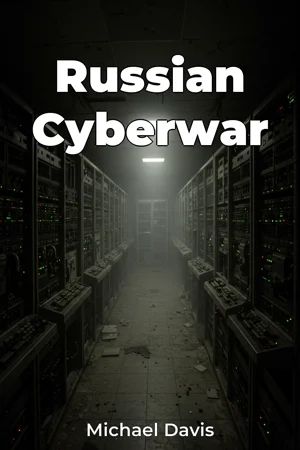
Is the specter of cyber warfare a future threat, or is it already shaping global politics? This book, "Russian Cyberwar," delves into the strategies, impact, and political deployment of Russia's modern cyber capabilities, an increasingly critical dimension of international relations and security. Understanding these strategies is no longer optional for policymakers, security professionals, or anyone concerned about the stability of the modern world. We will primarily examine Russia's offensive and defensive cyber operations, their far-reaching consequences on global security architectures, and how these actions serve as tools of political influence and coercion. The book aims to provide a comprehensive analysis of Russia's cyber activities in the context of its broader foreign policy objectives, thus demonstrating how cyberwarfare has become an integral component of Russia's geopolitical toolkit. The necessary context involves understanding post-Soviet Russian strategic thinking, which views information warfare and cyber operations as key instruments to offset perceived Western advantages in conventional military power. A basic understanding of network security principles and international relations theory will be helpful but not necessary, as we will provide clear explanations of technical concepts throughout the book. Our central thesis asserts that Russia has successfully developed and deployed a sophisticated cyber warfare apparatus to achieve specific political and strategic goals, undermining democratic processes, spreading disinformation, and challenging the existing international order. We will show how these operations are not merely isolated incidents but are part of a coordinated and evolving strategy. The book is structured in three parts. Part 1 introduces the evolution of Russian cyber doctrine from its roots in Soviet-era information warfare concepts to the present day. Part 2 will analyze key case studies of Russian cyber operations, including election interference, attacks on critical infrastructure, and espionage campaigns, detailing the techniques, targets, and outcomes of each. Part 3 centers on Russia's cyber defense strategies and resilience-building measures, as well as strategies other countries can use against these attacks. The book culminates by assessing the future trajectory of Russian cyber warfare and its long-term implications for global security and international law. Our analysis relies on a diverse range of evidence, including declassified government reports, cybersecurity industry analyses, academic research, and open-source intelligence. In addition, we incorporate primary source materials, such as leaked documents and statements from Russian officials, to provide a granular and nuanced understanding of Russian cyber operations. This book connects to several other fields of study, including international relations, political science, cybersecurity, and intelligence studies. Understanding the intersection of these disciplines is vital to fully grasp the complexities of modern cyber warfare. It also touches on legal studies, examining the application, or lack thereof, of international law to cyber operations. What sets this book apart is its holistic approach, combining technical analysis with political and strategic context. We seek to move beyond simple attribution to explore the underlying motivations, strategic thinking, and long-term goals that drive Russian cyber operations. We adopt a fact-based, analytical tone, avoiding sensationalism and focusing on providing a clear and objective assessment of the available evidence. The writing style is accessible to a broad audience, including policymakers, academics, cybersecurity professionals, and informed citizens. The primary audience includes government officials, cybersecurity professionals, academics, students of international relations, and anyone seeking a deeper understanding of the geopolitical implications of cyber warfare. This book provides valuable insights for anyone involved in shaping policy, defending against cyberattacks, or analyzing international security threats. As a work of non-fiction, this book emphasizes accuracy, objectivity, and thorough research. We adhere to the highest standards of academic integrity and provide detailed citations for all sources. The book focuses primarily on Russia's external cyber operations and its interaction with the international community. While we touch on domestic aspects of Russian cybersecurity, such as censorship and surveillance, our primary focus remains on the use of cyber capabilities as tools of foreign policy. The information presented in this book can be applied practically by policymakers seeking to develop effective strategies for deterring and responding to cyberattacks, as well as by cybersecurity professionals involved in defending critical infrastructure and networks. The analysis of Russian cyber strategies can inform the development of more effective defensive measures and contribute to a more secure cyberspace. The book addresses ongoing debates regarding the effectiveness of different cyber defense strategies, the role of international law in cyberspace, and the appropriate response to state-sponsored cyberattacks. By presenting evidence-based analysis and diverse perspectives, we aim to contribute to a more informed and productive discussion of these critical issues.
Is the specter of cyber warfare a future threat, or is it already shaping global politics? This book, "Russian Cyberwar," delves into the strategies, impact, and political deployment of Russia's modern cyber capabilities, an increasingly critical dimension of international relations and security. Understanding these strategies is no longer optional for policymakers, security professionals, or anyone concerned about the stability of the modern world. We will primarily examine Russia's offensive and defensive cyber operations, their far-reaching consequences on global security architectures, and how these actions serve as tools of political influence and coercion. The book aims to provide a comprehensive analysis of Russia's cyber activities in the context of its broader foreign policy objectives, thus demonstrating how cyberwarfare has become an integral component of Russia's geopolitical toolkit. The necessary context involves understanding post-Soviet Russian strategic thinking, which views information warfare and cyber operations as key instruments to offset perceived Western advantages in conventional military power. A basic understanding of network security principles and international relations theory will be helpful but not necessary, as we will provide clear explanations of technical concepts throughout the book. Our central thesis asserts that Russia has successfully developed and deployed a sophisticated cyber warfare apparatus to achieve specific political and strategic goals, undermining democratic processes, spreading disinformation, and challenging the existing international order. We will show how these operations are not merely isolated incidents but are part of a coordinated and evolving strategy. The book is structured in three parts. Part 1 introduces the evolution of Russian cyber doctrine from its roots in Soviet-era information warfare concepts to the present day. Part 2 will analyze key case studies of Russian cyber operations, including election interference, attacks on critical infrastructure, and espionage campaigns, detailing the techniques, targets, and outcomes of each. Part 3 centers on Russia's cyber defense strategies and resilience-building measures, as well as strategies other countries can use against these attacks. The book culminates by assessing the future trajectory of Russian cyber warfare and its long-term implications for global security and international law. Our analysis relies on a diverse range of evidence, including declassified government reports, cybersecurity industry analyses, academic research, and open-source intelligence. In addition, we incorporate primary source materials, such as leaked documents and statements from Russian officials, to provide a granular and nuanced understanding of Russian cyber operations. This book connects to several other fields of study, including international relations, political science, cybersecurity, and intelligence studies. Understanding the intersection of these disciplines is vital to fully grasp the complexities of modern cyber warfare. It also touches on legal studies, examining the application, or lack thereof, of international law to cyber operations. What sets this book apart is its holistic approach, combining technical analysis with political and strategic context. We seek to move beyond simple attribution to explore the underlying motivations, strategic thinking, and long-term goals that drive Russian cyber operations. We adopt a fact-based, analytical tone, avoiding sensationalism and focusing on providing a clear and objective assessment of the available evidence. The writing style is accessible to a broad audience, including policymakers, academics, cybersecurity professionals, and informed citizens. The primary audience includes government officials, cybersecurity professionals, academics, students of international relations, and anyone seeking a deeper understanding of the geopolitical implications of cyber warfare. This book provides valuable insights for anyone involved in shaping policy, defending against cyberattacks, or analyzing international security threats. As a work of non-fiction, this book emphasizes accuracy, objectivity, and thorough research. We adhere to the highest standards of academic integrity and provide detailed citations for all sources. The book focuses primarily on Russia's external cyber operations and its interaction with the international community. While we touch on domestic aspects of Russian cybersecurity, such as censorship and surveillance, our primary focus remains on the use of cyber capabilities as tools of foreign policy. The information presented in this book can be applied practically by policymakers seeking to develop effective strategies for deterring and responding to cyberattacks, as well as by cybersecurity professionals involved in defending critical infrastructure and networks. The analysis of Russian cyber strategies can inform the development of more effective defensive measures and contribute to a more secure cyberspace. The book addresses ongoing debates regarding the effectiveness of different cyber defense strategies, the role of international law in cyberspace, and the appropriate response to state-sponsored cyberattacks. By presenting evidence-based analysis and diverse perspectives, we aim to contribute to a more informed and productive discussion of these critical issues.
"Russian Cyberwar" offers an in-depth exploration of Russia's cyber warfare capabilities and their strategic deployment in the global arena. This book examines how Russia leverages cyber operations as tools of political influence, espionage, and disruption, challenging the existing international order. By tracing the evolution of Russian cyber doctrine from Soviet-era information warfare to modern-day cyber attacks, the book reveals how these actions aren't isolated incidents but part of a coordinated strategy. Notably, Russia views cyber operations as a means to offset perceived Western advantages, making it a crucial aspect of their foreign policy. The book's structure progresses systematically across three parts. It begins by introducing the historical context of Russian cyber doctrine, then dissects key case studies of Russian cyber operations, such as election interference and attacks on critical infrastructure, detailing the techniques and outcomes. Finally, it assesses Russia's cyber defense strategies and resilience-building measures, offering insights into potential countermeasures. This approach provides a comprehensive understanding of the topic, combining technical analysis with political and strategic context. What sets this book apart is its holistic approach, combining technical analysis with political and strategic context, moving beyond simple attribution to explore the motivations driving Russian cyber operations. By utilizing declassified reports, cybersecurity analyses, and primary source materials, the book provides a fact-based, analytical assessment suitable for policymakers, cybersecurity professionals, and anyone seeking a deeper understanding of the geopolitical implications of cyber warfare.
Book Details
ISBN
9788235258045
Publisher
Publifye AS
Your Licenses
You don't own any licenses for this book
Purchase a license below to unlock this book and download the EPUB.
Purchase License
Select a tier to unlock this book
Need bulk licensing?
Contact us for enterprise agreements.