
About This Book
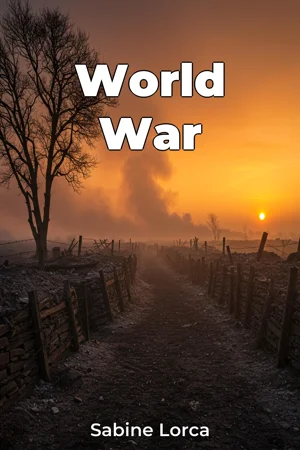
How did two global conflicts reshape the modern world and define the 20th century? "World War" explores the multifaceted impact of these wars, examining not only the military strategies and battlefield tactics, but also the profound transformations they wrought upon nations, societies, and the very fabric of global politics. This book delves into the political realignments, social upheavals, and technological innovations spurred by these conflicts, providing a comprehensive understanding of their enduring legacy. The book's central argument is that the World Wars served as a catalyst for unprecedented global change, accelerating technological progress, redrawing political boundaries, and fundamentally altering the balance of power. Understanding these transformative effects is critical for comprehending the geopolitical landscape of the 21st century. The book will be valuable to any reader seeking a deeper knowledge of modern history, political science, and military strategy. "World War" begins by laying the historical groundwork, examining the long-term causes and immediate triggers of both World War I and World War II. It details the intricate web of alliances, imperial rivalries, and nationalist tensions that culminated in global conflict. The book then pivots to a detailed analysis of the military campaigns, exploring key battles, strategic decisions, and the evolution of warfare technologies such as trench warfare, aerial bombardment, and armored warfare. A significant portion of the book is devoted to the social and political consequences of the wars, including the collapse of empires, the rise of new ideologies, and the redrawing of national borders. The impact on civilian populations is also examined, with a focus on topics such as wartime propaganda, social movements, and the changing roles of women in society. Finally, the book analyzes the long-term geopolitical implications of the World Wars, including the establishment of international organizations, the Cold War, and the ongoing struggle for global power. The evidence presented in "World War" is drawn from a wide array of primary and secondary sources, including official military records, personal accounts, diplomatic correspondence, and scholarly analyses. It also incorporates statistical data on casualties, economic impact, and technological development. The book connects to other fields like political science, sociology, and economics, illustrating how these disciplines intersect to provide a holistic understanding of the wars' far-reaching consequences. "World War" offers a comprehensive overview of the military, political, technological, and social aspects of these conflicts. While not an exhaustive account of every battle or political maneuver, the book provides a balanced and insightful analysis of their broad impact. This approach makes the book accessible to general readers while still maintaining scholarly rigor. The information presented in the book allows for a more informed perspective on contemporary global challenges, such as international relations, conflict resolution, and the ethical considerations of modern warfare. The tone of "World War" is scholarly and analytical, maintaining objectivity while presenting complex historical information in a clear and engaging manner. It is aimed at students, history enthusiasts, and anyone seeking a deeper understanding of the forces that shaped the 20th century and continue to influence the world today. The book also addresses controversies such as debates surrounding the causes of World War I and the moral implications of certain wartime strategies.
How did two global conflicts reshape the modern world and define the 20th century? "World War" explores the multifaceted impact of these wars, examining not only the military strategies and battlefield tactics, but also the profound transformations they wrought upon nations, societies, and the very fabric of global politics. This book delves into the political realignments, social upheavals, and technological innovations spurred by these conflicts, providing a comprehensive understanding of their enduring legacy. The book's central argument is that the World Wars served as a catalyst for unprecedented global change, accelerating technological progress, redrawing political boundaries, and fundamentally altering the balance of power. Understanding these transformative effects is critical for comprehending the geopolitical landscape of the 21st century. The book will be valuable to any reader seeking a deeper knowledge of modern history, political science, and military strategy. "World War" begins by laying the historical groundwork, examining the long-term causes and immediate triggers of both World War I and World War II. It details the intricate web of alliances, imperial rivalries, and nationalist tensions that culminated in global conflict. The book then pivots to a detailed analysis of the military campaigns, exploring key battles, strategic decisions, and the evolution of warfare technologies such as trench warfare, aerial bombardment, and armored warfare. A significant portion of the book is devoted to the social and political consequences of the wars, including the collapse of empires, the rise of new ideologies, and the redrawing of national borders. The impact on civilian populations is also examined, with a focus on topics such as wartime propaganda, social movements, and the changing roles of women in society. Finally, the book analyzes the long-term geopolitical implications of the World Wars, including the establishment of international organizations, the Cold War, and the ongoing struggle for global power. The evidence presented in "World War" is drawn from a wide array of primary and secondary sources, including official military records, personal accounts, diplomatic correspondence, and scholarly analyses. It also incorporates statistical data on casualties, economic impact, and technological development. The book connects to other fields like political science, sociology, and economics, illustrating how these disciplines intersect to provide a holistic understanding of the wars' far-reaching consequences. "World War" offers a comprehensive overview of the military, political, technological, and social aspects of these conflicts. While not an exhaustive account of every battle or political maneuver, the book provides a balanced and insightful analysis of their broad impact. This approach makes the book accessible to general readers while still maintaining scholarly rigor. The information presented in the book allows for a more informed perspective on contemporary global challenges, such as international relations, conflict resolution, and the ethical considerations of modern warfare. The tone of "World War" is scholarly and analytical, maintaining objectivity while presenting complex historical information in a clear and engaging manner. It is aimed at students, history enthusiasts, and anyone seeking a deeper understanding of the forces that shaped the 20th century and continue to influence the world today. The book also addresses controversies such as debates surrounding the causes of World War I and the moral implications of certain wartime strategies.
"World War" offers a compelling exploration of how the two World Wars fundamentally reshaped the 20th century, impacting global politics, societies, and technological advancements. It examines crucial military strategies and battlefield tactics, delving into the political realignments and social upheavals that defined the era. One intriguing aspect covered is the acceleration of technological progress during these conflicts, which led to innovations such as advanced armored warfare and aerial bombardment. Another is the redrawing of political boundaries as empires collapsed and new ideologies emerged, forever changing the international landscape. The book uniquely presents a balanced analysis of the military, political, technological, and social facets of the wars, making it accessible to a broad audience interested in Military History and World History. It progresses by first laying the groundwork with long-term causes and immediate triggers, then moves into detailed analyses of military campaigns and their social and political consequences. Finally, the book analyzes the long-term geopolitical implications, providing readers with a comprehensive understanding of the wars' enduring legacy.
Book Details
ISBN
9788235257734
Publisher
Publifye AS
Your Licenses
You don't own any licenses for this book
Purchase a license below to unlock this book and download the EPUB.
Purchase License
Select a tier to unlock this book
Need bulk licensing?
Contact us for enterprise agreements.