
About This Book
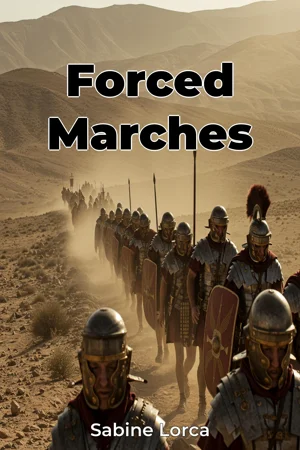
What separates a decisive victory from a crushing defeat, often hinges on the seemingly mundane act of putting one foot in front of the other? "Forced Marches" delves into the critical role of extreme endurance marches in military history, revealing how they have been strategically employed to achieve surprise, gain tactical advantages, and, conversely, how they have decimated armies through sheer physical attrition. This book examines the forced march not merely as a logistical necessity, but as a weapon in itself, albeit one with a double-edged blade. This study focuses on three interconnected themes: the operational implementation of forced marches to outmaneuver the enemy, the physiological and psychological demands placed on soldiers enduring these grueling ordeals, and the historical consequences of successful and failed marches. These topics are profoundly important because they underscore the human element in warfare, often overlooked in favor of technological advancements or grand strategic narratives. Understanding the capabilities and limitations of soldiers during forced marches provides critical insight into military planning, leadership decisions, and the ultimate outcomes of conflicts. Historically, forced marches have been a constant feature of warfare, from ancient Roman legions traversing vast distances to Napoleon's Grande Armée rapidly deploying across Europe. Their effectiveness relies on achieving surprise, overwhelming defenses, or seizing key terrain before the enemy can react. However, the relentless pace, sleep deprivation, inadequate supplies, and physical strain exact a heavy toll, often leading to exhaustion, disease, and desertion, ultimately undermining the intended military objectives. "Forced Marches" argues that the successful employment of forced marches depends not only on strategic planning, but also on a deep understanding of human physiology, effective logistical support, and strong leadership that can motivate soldiers to overcome their physical and mental limits. Neglecting any of these elements can transform a potential victory into a catastrophic defeat. The book is structured to explore these themes systematically. It begins by defining the concept of the forced march, exploring its historical context, and outlining the strategic and tactical considerations involved. Subsequent chapters analyze specific historical examples, such as the Roman army's rapid deployments, the forced marches of the American Civil War, and the challenges faced during the Eastern Front campaigns of World War II. These case studies examine the planning, execution, and consequences of forced marches, highlighting both successes and failures. A dedicated section examines the physiological and psychological effects of such extreme exertion on soldiers, drawing on medical research, historical accounts, and contemporary military studies. The concluding chapters synthesize the findings, offering insights into the enduring relevance of forced marches in modern warfare and emphasizing the critical importance of human factors in military operations. The evidence presented will draw on a wide range of sources, including primary accounts from soldiers, military records and reports, medical studies on the effects of extreme physical exertion, and analyses by military historians. Unique data sources, such as regimental diaries and medical journals from different historical periods, will provide granular detail on the experiences of soldiers undergoing forced marches. This book connects to several other fields of study, including sports science (analyzing human endurance), logistics (examining supply chain management under pressure), and psychology (understanding the effects of stress and fatigue on decision-making). These interdisciplinary connections enrich the analysis and provide a more holistic understanding of the complexities of forced marches. "Forced Marches" offers a unique perspective by combining historical analysis with physiological and psychological insights, providing a comprehensive understanding of this often-overlooked aspect of military history. The tone is authoritative and analytical, aiming to inform and engage readers with detailed research and compelling historical narratives. The target audience includes military historians, military professionals, students of military strategy, and anyone interested in the human aspects of warfare. The book offers valuable insights into the challenges of military planning, the importance of leadership, and the enduring impact of human factors on the battlefield. As a work of military history, "Forced Marches" adheres to the genre's expectations of factual accuracy, rigorous research, and objective analysis, while also striving to present complex information in an accessible and engaging manner. While the book explores a wide range of historical examples, its primary focus is on land-based military operations. It acknowledges that forced marches in naval or amphibious operations present unique challenges, but these are beyond the scope of this particular study. The lessons learned from studying historical forced marches have real-world applications for modern military planners and leaders. Understanding the physical and psychological limits of soldiers, the importance of logistical support, and the potential risks of overextending troops remains crucial for effective military operations. Finally, the book addresses ongoing debates surrounding the role of physical fitness in modern warfare and the ethical considerations of pushing soldiers to their limits. By providing a comprehensive historical and scientific analysis of forced marches, "Forced Marches" aims to contribute to a more informed understanding of this critical aspect of military history and its enduring relevance.
What separates a decisive victory from a crushing defeat, often hinges on the seemingly mundane act of putting one foot in front of the other? "Forced Marches" delves into the critical role of extreme endurance marches in military history, revealing how they have been strategically employed to achieve surprise, gain tactical advantages, and, conversely, how they have decimated armies through sheer physical attrition. This book examines the forced march not merely as a logistical necessity, but as a weapon in itself, albeit one with a double-edged blade. This study focuses on three interconnected themes: the operational implementation of forced marches to outmaneuver the enemy, the physiological and psychological demands placed on soldiers enduring these grueling ordeals, and the historical consequences of successful and failed marches. These topics are profoundly important because they underscore the human element in warfare, often overlooked in favor of technological advancements or grand strategic narratives. Understanding the capabilities and limitations of soldiers during forced marches provides critical insight into military planning, leadership decisions, and the ultimate outcomes of conflicts. Historically, forced marches have been a constant feature of warfare, from ancient Roman legions traversing vast distances to Napoleon's Grande Armée rapidly deploying across Europe. Their effectiveness relies on achieving surprise, overwhelming defenses, or seizing key terrain before the enemy can react. However, the relentless pace, sleep deprivation, inadequate supplies, and physical strain exact a heavy toll, often leading to exhaustion, disease, and desertion, ultimately undermining the intended military objectives. "Forced Marches" argues that the successful employment of forced marches depends not only on strategic planning, but also on a deep understanding of human physiology, effective logistical support, and strong leadership that can motivate soldiers to overcome their physical and mental limits. Neglecting any of these elements can transform a potential victory into a catastrophic defeat. The book is structured to explore these themes systematically. It begins by defining the concept of the forced march, exploring its historical context, and outlining the strategic and tactical considerations involved. Subsequent chapters analyze specific historical examples, such as the Roman army's rapid deployments, the forced marches of the American Civil War, and the challenges faced during the Eastern Front campaigns of World War II. These case studies examine the planning, execution, and consequences of forced marches, highlighting both successes and failures. A dedicated section examines the physiological and psychological effects of such extreme exertion on soldiers, drawing on medical research, historical accounts, and contemporary military studies. The concluding chapters synthesize the findings, offering insights into the enduring relevance of forced marches in modern warfare and emphasizing the critical importance of human factors in military operations. The evidence presented will draw on a wide range of sources, including primary accounts from soldiers, military records and reports, medical studies on the effects of extreme physical exertion, and analyses by military historians. Unique data sources, such as regimental diaries and medical journals from different historical periods, will provide granular detail on the experiences of soldiers undergoing forced marches. This book connects to several other fields of study, including sports science (analyzing human endurance), logistics (examining supply chain management under pressure), and psychology (understanding the effects of stress and fatigue on decision-making). These interdisciplinary connections enrich the analysis and provide a more holistic understanding of the complexities of forced marches. "Forced Marches" offers a unique perspective by combining historical analysis with physiological and psychological insights, providing a comprehensive understanding of this often-overlooked aspect of military history. The tone is authoritative and analytical, aiming to inform and engage readers with detailed research and compelling historical narratives. The target audience includes military historians, military professionals, students of military strategy, and anyone interested in the human aspects of warfare. The book offers valuable insights into the challenges of military planning, the importance of leadership, and the enduring impact of human factors on the battlefield. As a work of military history, "Forced Marches" adheres to the genre's expectations of factual accuracy, rigorous research, and objective analysis, while also striving to present complex information in an accessible and engaging manner. While the book explores a wide range of historical examples, its primary focus is on land-based military operations. It acknowledges that forced marches in naval or amphibious operations present unique challenges, but these are beyond the scope of this particular study. The lessons learned from studying historical forced marches have real-world applications for modern military planners and leaders. Understanding the physical and psychological limits of soldiers, the importance of logistical support, and the potential risks of overextending troops remains crucial for effective military operations. Finally, the book addresses ongoing debates surrounding the role of physical fitness in modern warfare and the ethical considerations of pushing soldiers to their limits. By providing a comprehensive historical and scientific analysis of forced marches, "Forced Marches" aims to contribute to a more informed understanding of this critical aspect of military history and its enduring relevance.
"Forced Marches" examines the pivotal role of extreme endurance marches in military history, revealing how they've been both decisive advantages and devastating liabilities. This exploration highlights that military operations often hinge on the physical capabilities of soldiers, turning the simple act of marching into a strategic weapon. The book emphasizes the human element, showcasing how successful marches could overwhelm defenses and seize key terrain, while failed ones led to exhaustion, disease, and ultimately, defeat. The study focuses on the operational implementation of forced marches, the physiological and psychological demands on soldiers, and the historical consequences of these marches. The book explores historical examples like the Roman army's rapid deployments, American Civil War marches, and World War II's Eastern Front, systematically analyzing their planning, execution, and outcomes. By combining historical analysis with insights into human endurance, "Forced Marches" provides a comprehensive understanding of this often-overlooked aspect of military history.
Book Details
ISBN
9788235257536
Publisher
Publifye AS
Your Licenses
You don't own any licenses for this book
Purchase a license below to unlock this book and download the EPUB.
Purchase License
Select a tier to unlock this book
Need bulk licensing?
Contact us for enterprise agreements.