
About This Book
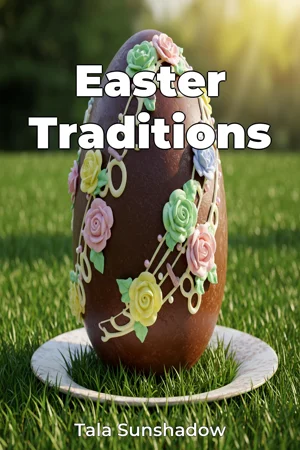
Have you ever wondered how a springtime festival celebrating rebirth and renewal became associated with chocolate bunnies and decorated eggs? "Easter Traditions" delves into the fascinating and multifaceted history of Easter, exploring its evolution from ancient roots to its modern-day observances around the world. This book examines the key concepts of Easter's religious significance, the development of secular customs, and the cultural variations in celebrating this important holiday. These topics are crucial for understanding not only the holiday itself but also the interplay between religious faith, cultural adaptation, and historical context. This book provides a comprehensive analysis of how Easter traditions have evolved over centuries. We'll explore the historical context of early Christian celebrations, the influence of pagan spring festivals, and the gradual integration of secular customs into Easter celebrations. The central argument of "Easter Traditions" is that the Easter celebration, as it is known today, represents a complex fusion of religious beliefs and cultural practices, reflecting the dynamic interaction between historical events and societal norms. Understanding this fusion is essential for appreciating the rich tapestry of human culture and the enduring power of traditions. This book is structured to provide a comprehensive understanding of Easter's evolution. First, it introduces the religious origins of Easter, focusing on the Christian commemoration of the resurrection of Jesus Christ. Second, it examines the development of secular customs, such as egg hunts, the Easter bunny, and other springtime symbols. Third, it explores how different cultures around the world have adapted and incorporated these traditions into their own unique celebrations. The book culminates by examining the implications of these diverse traditions on contemporary society and the ongoing debates surrounding the secularization of religious holidays. The evidence presented in this book is drawn from historical texts, religious documents, anthropological studies, and folklore analyses. Primary source materials, such as early Christian writings and accounts of pagan rituals, are examined alongside secondary scholarly research to provide a balanced and well-supported analysis. The book also incorporates comparative studies of Easter traditions across different cultures, drawing upon ethnographic data and field research. "Easter Traditions" connects to other fields of study, including religious studies, anthropology, and history. The book's exploration of religious beliefs and practices connects directly to the field of religious studies. Its analysis of cultural customs and traditions relates to anthropological studies. And its examination of historical events and societal changes connects to the discipline of history. This book stands out due to its interdisciplinary approach and its focus on the dynamic interplay between religious beliefs and cultural practices. By examining Easter traditions from multiple perspectives, the book offers a nuanced and comprehensive understanding of this important holiday. The tone of "Easter Traditions" is informative, engaging, and accessible. While grounded in scholarly research, the book is written in a clear and concise style that is suitable for a general audience. The writing avoids jargon and technical terms, making the information accessible to readers with varying levels of knowledge. The intended audience for this book includes general readers interested in learning more about the history and traditions of Easter, as well as students and scholars in the fields of religious studies, history, and anthropology. The book provides valuable insights into the cultural significance of Easter and its evolution over time. As a non-fiction work in the genres of religion and history, "Easter Traditions" adheres to the conventions of accuracy, objectivity, and evidence-based analysis. The book presents information in a clear and unbiased manner, supporting its arguments with credible sources and thorough research. The scope of the book is broad, covering the major historical and cultural developments related to Easter traditions across different regions of the world. However, the book also acknowledges its limitations by focusing primarily on Western traditions and by acknowledging the vast diversity of Easter celebrations that exist worldwide. The information presented in "Easter Traditions" can be applied practically by readers seeking a deeper understanding of their own cultural heritage and the traditions they celebrate. The book encourages readers to reflect on the meaning and significance of Easter in their lives and to appreciate the diversity of human culture. The book also addresses the ongoing debates surrounding the secularization of Easter and the commercialization of religious holidays. By providing a historical and cultural context for these debates, the book encourages readers to engage in informed discussions about the role of religion and tradition in contemporary society.
Have you ever wondered how a springtime festival celebrating rebirth and renewal became associated with chocolate bunnies and decorated eggs? "Easter Traditions" delves into the fascinating and multifaceted history of Easter, exploring its evolution from ancient roots to its modern-day observances around the world. This book examines the key concepts of Easter's religious significance, the development of secular customs, and the cultural variations in celebrating this important holiday. These topics are crucial for understanding not only the holiday itself but also the interplay between religious faith, cultural adaptation, and historical context. This book provides a comprehensive analysis of how Easter traditions have evolved over centuries. We'll explore the historical context of early Christian celebrations, the influence of pagan spring festivals, and the gradual integration of secular customs into Easter celebrations. The central argument of "Easter Traditions" is that the Easter celebration, as it is known today, represents a complex fusion of religious beliefs and cultural practices, reflecting the dynamic interaction between historical events and societal norms. Understanding this fusion is essential for appreciating the rich tapestry of human culture and the enduring power of traditions. This book is structured to provide a comprehensive understanding of Easter's evolution. First, it introduces the religious origins of Easter, focusing on the Christian commemoration of the resurrection of Jesus Christ. Second, it examines the development of secular customs, such as egg hunts, the Easter bunny, and other springtime symbols. Third, it explores how different cultures around the world have adapted and incorporated these traditions into their own unique celebrations. The book culminates by examining the implications of these diverse traditions on contemporary society and the ongoing debates surrounding the secularization of religious holidays. The evidence presented in this book is drawn from historical texts, religious documents, anthropological studies, and folklore analyses. Primary source materials, such as early Christian writings and accounts of pagan rituals, are examined alongside secondary scholarly research to provide a balanced and well-supported analysis. The book also incorporates comparative studies of Easter traditions across different cultures, drawing upon ethnographic data and field research. "Easter Traditions" connects to other fields of study, including religious studies, anthropology, and history. The book's exploration of religious beliefs and practices connects directly to the field of religious studies. Its analysis of cultural customs and traditions relates to anthropological studies. And its examination of historical events and societal changes connects to the discipline of history. This book stands out due to its interdisciplinary approach and its focus on the dynamic interplay between religious beliefs and cultural practices. By examining Easter traditions from multiple perspectives, the book offers a nuanced and comprehensive understanding of this important holiday. The tone of "Easter Traditions" is informative, engaging, and accessible. While grounded in scholarly research, the book is written in a clear and concise style that is suitable for a general audience. The writing avoids jargon and technical terms, making the information accessible to readers with varying levels of knowledge. The intended audience for this book includes general readers interested in learning more about the history and traditions of Easter, as well as students and scholars in the fields of religious studies, history, and anthropology. The book provides valuable insights into the cultural significance of Easter and its evolution over time. As a non-fiction work in the genres of religion and history, "Easter Traditions" adheres to the conventions of accuracy, objectivity, and evidence-based analysis. The book presents information in a clear and unbiased manner, supporting its arguments with credible sources and thorough research. The scope of the book is broad, covering the major historical and cultural developments related to Easter traditions across different regions of the world. However, the book also acknowledges its limitations by focusing primarily on Western traditions and by acknowledging the vast diversity of Easter celebrations that exist worldwide. The information presented in "Easter Traditions" can be applied practically by readers seeking a deeper understanding of their own cultural heritage and the traditions they celebrate. The book encourages readers to reflect on the meaning and significance of Easter in their lives and to appreciate the diversity of human culture. The book also addresses the ongoing debates surrounding the secularization of Easter and the commercialization of religious holidays. By providing a historical and cultural context for these debates, the book encourages readers to engage in informed discussions about the role of religion and tradition in contemporary society.
"Easter Traditions" explores the evolution of Easter, from its religious roots to its modern celebrations. The book unveils how the holiday blends Christian beliefs with cultural customs, such as egg hunts and the Easter bunny, and examines the influence of pagan spring festivals on these evolving traditions. It highlights the dynamic interplay between historical events and societal norms that have shaped Easter into the multifaceted holiday we know today. The book progresses methodically, first introducing the religious origins of Easter, then examining the development of secular customs. It further explores how different cultures worldwide have adapted these traditions into their unique celebrations. Drawing on historical texts, religious documents, and anthropological studies, the book provides a balanced analysis of Easter's development. This interdisciplinary approach sets "Easter Traditions" apart, offering a nuanced understanding of this important holiday. By examining Easter traditions from multiple perspectives, the book reveals the complex fusion of religious beliefs and cultural practices that define this enduring celebration.
Book Details
ISBN
9788235257420
Publisher
Publifye AS
Your Licenses
You don't own any licenses for this book
Purchase a license below to unlock this book and download the EPUB.
Purchase License
Select a tier to unlock this book
Need bulk licensing?
Contact us for enterprise agreements.