
About This Book
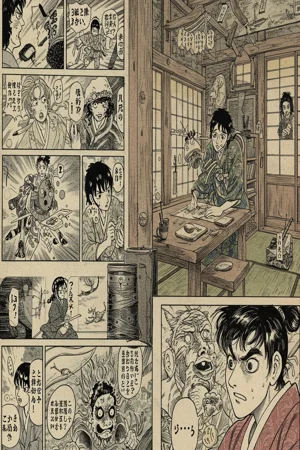
How did the seemingly simple lines of early manga evolve into the dynamic visual language that captivates global audiences today? "Historical Manga Styles" delves into this fascinating transformation, charting the trajectory of manga art from its formative roots to its profound influence on contemporary visual culture. This book examines the critical junctures and artistic innovations that have shaped manga's aesthetic, making it essential for understanding not only the history of Japanese art but also the broader currents of international visual communication. Two key topics form the heart of this exploration: the pioneering techniques of early manga artists and the socio-cultural contexts that fostered stylistic innovation. Understanding these elements allows us to comprehend how manga became a powerful medium for storytelling and cultural expression. We will investigate the influence of ukiyo-e woodblock prints and early cinematic techniques on manga's visual grammar. A grasp of Japan's evolving social landscape, including its post-war recovery and technological boom, is crucial for appreciating the shifts in manga style and content. The central argument of this book is that modern manga styles are not isolated creations but rather the direct result of a continuous evolution driven by both artistic experimentation and social change. This argument is significant because it challenges the notion of manga as a static or purely commercial art form, revealing it as a dynamic and historically grounded medium. "Historical Manga Styles" is structured to provide a clear and compelling narrative. Beginning with an introduction to the pre-manga art forms that laid the groundwork, we proceed to examine the early pioneers of manga, such as Osamu Tezuka, and their groundbreaking contributions. The chapters then trace the development of distinct manga genres like shojo and shonen, highlighting the stylistic innovations within each. The book culminates with an analysis of how classic manga styles have been adapted and reinterpreted in contemporary works, demonstrating their enduring relevance. The evidence presented in this book is drawn from a variety of sources, including original manga publications, historical documents, artist interviews, and scholarly analyses. Unique data sources include a curated collection of rare manga from private archives, offering insights into the creative processes and stylistic choices of early artists. Research methodologies include comparative visual analysis and historical contextualization, ensuring a rigorous and nuanced understanding of manga's evolution. Interdisciplinary connections enrich the book's argument. The study of manga art intersects with the fields of art history, cultural studies, and media studies. By examining manga through these lenses, we gain a more comprehensive understanding of its artistic significance and cultural impact. The book also provides insights into Japanese history and society, illuminating how manga reflects and shapes cultural values. A unique approach is adopted by examining not just the finished works but also the artistic philosophies and creative processes behind them. This provides a deeper appreciation of the artistic intent and the challenges faced by manga artists throughout history. The tone of the book is scholarly yet accessible, aiming to engage both academic researchers and general readers with an interest in manga and Japanese culture. The writing style balances detailed analysis with clear explanations, making complex concepts understandable and engaging. The target audience includes students and scholars of art history, manga enthusiasts, those working in the animation and comics industries, and anyone interested in Japanese culture. This book is valuable because it provides a comprehensive and historically grounded understanding of manga art, filling a gap in existing scholarship. As a work of art history, this book adheres to the conventions of academic rigor, including thorough citation, detailed analysis, and critical engagement with existing scholarship. It also incorporates elements of cultural history. The scope of the book is limited to the stylistic evolution of manga art, focusing primarily on Japanese manga but also acknowledging its global influences and impact. The information presented in "Historical Manga Styles" can be applied practically by artists, designers, and cultural critics. Artists can draw inspiration from the techniques and styles of past masters, while designers can gain a deeper understanding of visual communication principles. Cultural critics can use the book to analyze the cultural significance of manga and its role in shaping global perceptions of Japan. One ongoing debate in the field concerns the extent to which manga's artistic evolution has been driven by commercial considerations versus artistic innovation. This book addresses this debate by presenting a balanced perspective that acknowledges both the economic pressures and the creative agency of manga artists.
How did the seemingly simple lines of early manga evolve into the dynamic visual language that captivates global audiences today? "Historical Manga Styles" delves into this fascinating transformation, charting the trajectory of manga art from its formative roots to its profound influence on contemporary visual culture. This book examines the critical junctures and artistic innovations that have shaped manga's aesthetic, making it essential for understanding not only the history of Japanese art but also the broader currents of international visual communication. Two key topics form the heart of this exploration: the pioneering techniques of early manga artists and the socio-cultural contexts that fostered stylistic innovation. Understanding these elements allows us to comprehend how manga became a powerful medium for storytelling and cultural expression. We will investigate the influence of ukiyo-e woodblock prints and early cinematic techniques on manga's visual grammar. A grasp of Japan's evolving social landscape, including its post-war recovery and technological boom, is crucial for appreciating the shifts in manga style and content. The central argument of this book is that modern manga styles are not isolated creations but rather the direct result of a continuous evolution driven by both artistic experimentation and social change. This argument is significant because it challenges the notion of manga as a static or purely commercial art form, revealing it as a dynamic and historically grounded medium. "Historical Manga Styles" is structured to provide a clear and compelling narrative. Beginning with an introduction to the pre-manga art forms that laid the groundwork, we proceed to examine the early pioneers of manga, such as Osamu Tezuka, and their groundbreaking contributions. The chapters then trace the development of distinct manga genres like shojo and shonen, highlighting the stylistic innovations within each. The book culminates with an analysis of how classic manga styles have been adapted and reinterpreted in contemporary works, demonstrating their enduring relevance. The evidence presented in this book is drawn from a variety of sources, including original manga publications, historical documents, artist interviews, and scholarly analyses. Unique data sources include a curated collection of rare manga from private archives, offering insights into the creative processes and stylistic choices of early artists. Research methodologies include comparative visual analysis and historical contextualization, ensuring a rigorous and nuanced understanding of manga's evolution. Interdisciplinary connections enrich the book's argument. The study of manga art intersects with the fields of art history, cultural studies, and media studies. By examining manga through these lenses, we gain a more comprehensive understanding of its artistic significance and cultural impact. The book also provides insights into Japanese history and society, illuminating how manga reflects and shapes cultural values. A unique approach is adopted by examining not just the finished works but also the artistic philosophies and creative processes behind them. This provides a deeper appreciation of the artistic intent and the challenges faced by manga artists throughout history. The tone of the book is scholarly yet accessible, aiming to engage both academic researchers and general readers with an interest in manga and Japanese culture. The writing style balances detailed analysis with clear explanations, making complex concepts understandable and engaging. The target audience includes students and scholars of art history, manga enthusiasts, those working in the animation and comics industries, and anyone interested in Japanese culture. This book is valuable because it provides a comprehensive and historically grounded understanding of manga art, filling a gap in existing scholarship. As a work of art history, this book adheres to the conventions of academic rigor, including thorough citation, detailed analysis, and critical engagement with existing scholarship. It also incorporates elements of cultural history. The scope of the book is limited to the stylistic evolution of manga art, focusing primarily on Japanese manga but also acknowledging its global influences and impact. The information presented in "Historical Manga Styles" can be applied practically by artists, designers, and cultural critics. Artists can draw inspiration from the techniques and styles of past masters, while designers can gain a deeper understanding of visual communication principles. Cultural critics can use the book to analyze the cultural significance of manga and its role in shaping global perceptions of Japan. One ongoing debate in the field concerns the extent to which manga's artistic evolution has been driven by commercial considerations versus artistic innovation. This book addresses this debate by presenting a balanced perspective that acknowledges both the economic pressures and the creative agency of manga artists.
"Historical Manga Styles" explores the fascinating evolution of manga, revealing how early, simple lines transformed into today's captivating visual language. The book argues that modern manga styles are a direct result of continuous artistic experimentation and social change, challenging its perception as merely a commercial art form. It delves into the pioneering techniques of early artists and the socio-cultural contexts that fostered innovation, highlighting influences like ukiyo-e woodblock prints. The book examines the critical junctures and artistic innovations that have shaped manga's aesthetic. Beginning with pre-manga art forms, it examines the contributions of pioneers like Osamu Tezuka and traces the development of genres such as shojo and shonen. The analysis extends to how classic styles are adapted in contemporary works, demonstrating their enduring relevance. This approach provides a comprehensive, historically grounded understanding of manga art, making it valuable for art enthusiasts and those in creative industries.
Book Details
ISBN
9788235257185
Publisher
Publifye AS
Your Licenses
You don't own any licenses for this book
Purchase a license below to unlock this book and download the EPUB.
Purchase License
Select a tier to unlock this book
Need bulk licensing?
Contact us for enterprise agreements.