
About This Book
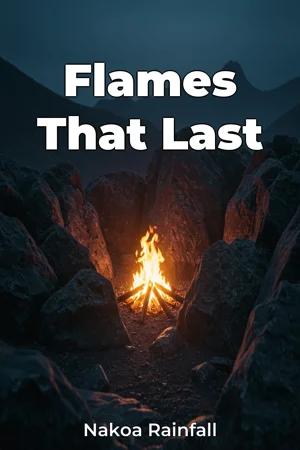
Imagine a world perpetually lit by flames that defy the conventional understanding of combustion – a world where fire serves not just as a source of heat and light, but as a cornerstone of civilization, ritual, and survival. *Flames That Last* delves into the captivating science of fire, exploring the phenomena of eternal flames, and examining fire's multifaceted role throughout human history. This book aims to illuminate not only the chemical and physical processes underlying combustion, but also the profound cultural and technological impact fire has had on shaping our world. We begin by establishing a solid understanding of the fundamental principles of fire. This involves examining the combustion process itself, breaking down the chemical reactions, energy transfers, and environmental factors that govern fire’s behavior. We explore the physics of flames, from their color and temperature gradients to their interactions with different materials. This section requires no prior scientific background, as we build from first principles, ensuring accessibility for all readers. Next, we turn our attention to the intriguing phenomenon of "eternal flames" – natural gas leaks that burn continuously, sometimes for centuries. We will investigate the geological origins of these flames, analyzing the unique chemical compositions of the gases that fuel them and the environmental conditions that allow them to persist. Case studies of famous eternal flames around the world will illustrate the diverse geological circumstances that give rise to these natural wonders. This section builds on geological principles and introduces aspects of environmental science. The heart of the book explores the historical and cultural significance of fire across different societies and eras. We examine fire's crucial role in early human survival, from providing warmth and protection from predators to enabling cooking and toolmaking. We trace the evolution of fire control and its impact on social structures, technological advancements, and the development of complex cultures. From ancient rituals involving fire to its pivotal role in the industrial revolution, we explore fire's dynamic influence on human civilization. This section draws heavily on historical records, archaeological findings, and anthropological studies. *Flames That Last* argues that fire's significance extends far beyond its practical applications. It highlights fire as a symbol of transformation, purification, and renewal in various cultures, and demonstrates its continued importance in contemporary technology, such as in energy production and materials science. We demonstrate how understanding fire's complexities is imperative not only for scientific advancement but also for responsible resource management and cultural preservation. The book's structure comprises three major sections. The first section introduces the science of fire, covering its chemical and physical properties. The second delves into the historical and cultural aspects of fire, examining its role in human societies across different eras. The final section explores contemporary applications of fire, focusing on energy production, materials science, and environmental considerations. Each section concludes with a summary and suggestions for further reading. To support our arguments, we draw on a wide array of evidence, including scientific literature, historical documents, archaeological findings, and case studies. We analyze data from combustion experiments, geological surveys, and anthropological fieldwork. We also incorporate insights from engineering, environmental science, and cultural studies to provide a holistic perspective on fire. The book bridges the gap between science, history, and technology. It highlights the connections between chemistry and archaeology, demonstrating how scientific analysis can illuminate historical practices. It also explores the interplay between environmental science and cultural preservation, showing how understanding the environment is essential for preserving cultural heritage related to fire. *Flames That Last* offers a unique perspective by integrating scientific rigor with cultural sensitivity. It avoids romanticizing fire, instead presenting a balanced and nuanced view of its benefits and risks. It challenges readers to reconsider their assumptions about fire and to appreciate its complex and multifaceted nature. Written in a clear and engaging style, *Flames That Last* is designed for a broad audience, including science enthusiasts, history buffs, and anyone interested in the intersection of science and culture. It will appeal to readers who enjoy learning about the natural world, exploring different cultures, and understanding the impact of technology on society. Due to its interdisciplinary nature, the book will be valuable to students and researchers in a variety of fields, including chemistry, physics, history, archaeology, and environmental science. The scope of *Flames That Last* is broad, covering a wide range of topics related to fire. However, it focuses primarily on the science, history, and cultural significance of fire, rather than delving into the intricate details of fire suppression or the technical aspects of fire safety. The knowledge gained from reading *Flames That Last* can be applied in various practical ways. It can inform environmental policies related to resource management and pollution control. It can enhance our understanding of fire safety and prevention. It can also promote cultural awareness and appreciation for the diverse ways in which fire has shaped human societies. The study of fire inevitably touches upon ongoing controversies, such as the role of prescribed burns in forest management and the environmental impacts of fossil fuel combustion. *Flames That Last* addresses these debates by presenting different perspectives and encouraging critical thinking. Ultimately, *Flames That Last* offers a comprehensive exploration of fire, revealing its scientific mysteries, historical significance, and enduring cultural impact. It invites readers to embark on a journey of discovery, illuminating not only the flames that burn brightly but also the flames that last.
Imagine a world perpetually lit by flames that defy the conventional understanding of combustion – a world where fire serves not just as a source of heat and light, but as a cornerstone of civilization, ritual, and survival. *Flames That Last* delves into the captivating science of fire, exploring the phenomena of eternal flames, and examining fire's multifaceted role throughout human history. This book aims to illuminate not only the chemical and physical processes underlying combustion, but also the profound cultural and technological impact fire has had on shaping our world. We begin by establishing a solid understanding of the fundamental principles of fire. This involves examining the combustion process itself, breaking down the chemical reactions, energy transfers, and environmental factors that govern fire’s behavior. We explore the physics of flames, from their color and temperature gradients to their interactions with different materials. This section requires no prior scientific background, as we build from first principles, ensuring accessibility for all readers. Next, we turn our attention to the intriguing phenomenon of "eternal flames" – natural gas leaks that burn continuously, sometimes for centuries. We will investigate the geological origins of these flames, analyzing the unique chemical compositions of the gases that fuel them and the environmental conditions that allow them to persist. Case studies of famous eternal flames around the world will illustrate the diverse geological circumstances that give rise to these natural wonders. This section builds on geological principles and introduces aspects of environmental science. The heart of the book explores the historical and cultural significance of fire across different societies and eras. We examine fire's crucial role in early human survival, from providing warmth and protection from predators to enabling cooking and toolmaking. We trace the evolution of fire control and its impact on social structures, technological advancements, and the development of complex cultures. From ancient rituals involving fire to its pivotal role in the industrial revolution, we explore fire's dynamic influence on human civilization. This section draws heavily on historical records, archaeological findings, and anthropological studies. *Flames That Last* argues that fire's significance extends far beyond its practical applications. It highlights fire as a symbol of transformation, purification, and renewal in various cultures, and demonstrates its continued importance in contemporary technology, such as in energy production and materials science. We demonstrate how understanding fire's complexities is imperative not only for scientific advancement but also for responsible resource management and cultural preservation. The book's structure comprises three major sections. The first section introduces the science of fire, covering its chemical and physical properties. The second delves into the historical and cultural aspects of fire, examining its role in human societies across different eras. The final section explores contemporary applications of fire, focusing on energy production, materials science, and environmental considerations. Each section concludes with a summary and suggestions for further reading. To support our arguments, we draw on a wide array of evidence, including scientific literature, historical documents, archaeological findings, and case studies. We analyze data from combustion experiments, geological surveys, and anthropological fieldwork. We also incorporate insights from engineering, environmental science, and cultural studies to provide a holistic perspective on fire. The book bridges the gap between science, history, and technology. It highlights the connections between chemistry and archaeology, demonstrating how scientific analysis can illuminate historical practices. It also explores the interplay between environmental science and cultural preservation, showing how understanding the environment is essential for preserving cultural heritage related to fire. *Flames That Last* offers a unique perspective by integrating scientific rigor with cultural sensitivity. It avoids romanticizing fire, instead presenting a balanced and nuanced view of its benefits and risks. It challenges readers to reconsider their assumptions about fire and to appreciate its complex and multifaceted nature. Written in a clear and engaging style, *Flames That Last* is designed for a broad audience, including science enthusiasts, history buffs, and anyone interested in the intersection of science and culture. It will appeal to readers who enjoy learning about the natural world, exploring different cultures, and understanding the impact of technology on society. Due to its interdisciplinary nature, the book will be valuable to students and researchers in a variety of fields, including chemistry, physics, history, archaeology, and environmental science. The scope of *Flames That Last* is broad, covering a wide range of topics related to fire. However, it focuses primarily on the science, history, and cultural significance of fire, rather than delving into the intricate details of fire suppression or the technical aspects of fire safety. The knowledge gained from reading *Flames That Last* can be applied in various practical ways. It can inform environmental policies related to resource management and pollution control. It can enhance our understanding of fire safety and prevention. It can also promote cultural awareness and appreciation for the diverse ways in which fire has shaped human societies. The study of fire inevitably touches upon ongoing controversies, such as the role of prescribed burns in forest management and the environmental impacts of fossil fuel combustion. *Flames That Last* addresses these debates by presenting different perspectives and encouraging critical thinking. Ultimately, *Flames That Last* offers a comprehensive exploration of fire, revealing its scientific mysteries, historical significance, and enduring cultural impact. It invites readers to embark on a journey of discovery, illuminating not only the flames that burn brightly but also the flames that last.
"Flames That Last" explores the captivating story of fire, bridging science and history to reveal its profound impact on human civilization. The book starts by unraveling the science of combustion, detailing the chemical reactions and energy transfers that govern fire's behavior. Intriguingly, the book highlights the phenomenon of "eternal flames"—natural gas leaks that burn for centuries, showcasing unique geological conditions. Progressing through history, the book illuminates fire's crucial role in early human survival, from warmth and protection to enabling cooking and toolmaking. It examines fire as a symbol of transformation and purification across cultures, highlighting its impact on social structures and technological advancements. From ancient rituals to the Industrial Revolution, the book traces fire's dynamic influence and its continued importance in modern technology like energy production and materials science. Organized into sections on the science of fire, its historical and cultural impact, and contemporary applications, the book offers a comprehensive perspective. By integrating scientific rigor with cultural sensitivity, "Flames That Last" provides a balanced view of fire's benefits and risks, inviting readers to reconsider their assumptions about this fundamental force.
Book Details
ISBN
9788235256911
Publisher
Publifye AS
Your Licenses
You don't own any licenses for this book
Purchase a license below to unlock this book and download the EPUB.
Purchase License
Select a tier to unlock this book
Need bulk licensing?
Contact us for enterprise agreements.