
About This Book
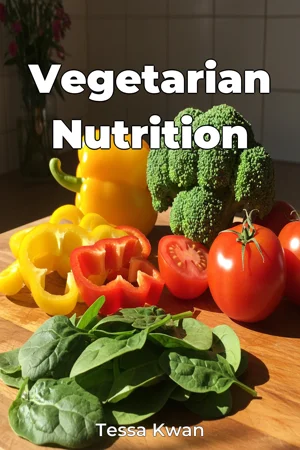
Are you considering a vegetarian lifestyle or seeking to optimize your current plant-based diet for better health? "Vegetarian Nutrition" is your comprehensive guide to understanding the essential nutrients, mastering meal planning, and unlocking the multifaceted health benefits of vegetarianism. This book addresses the increasing interest in plant-based eating while providing a scientifically grounded approach to meeting nutritional needs on a vegetarian diet. We delve into the crucial nutrients often misunderstood or overlooked in vegetarian diets, such as vitamin B12, iron, omega-3 fatty acids, calcium, and zinc. Understanding the roles of these nutrients, their best plant-based sources, and strategies for optimizing absorption are paramount for long-term health and preventing deficiencies. This book clarifies the science behind these nutrients and offers practical advice on how to incorporate them into your daily meals. Meal planning is another central focus. We present actionable strategies for constructing balanced and satisfying vegetarian meals. This includes guidance on portion control, recipe modification, and creating weekly menus that ensure adequate intake of all essential nutrients. The book provides sample meal plans and a wealth of recipes designed to make vegetarian eating both enjoyable and nutritionally complete. Moreover, we examine the extensive health benefits associated with vegetarian diets. Drawing upon epidemiological studies and clinical trials, we explore the reduced risk of chronic diseases, including heart disease, type 2 diabetes, and certain types of cancer, that are often observed in vegetarian populations. The book scrutinizes the evidence, weighing the potential advantages and disadvantages of a plant-based lifestyle. This book’s argument is that a well-planned vegetarian diet can be nutritionally adequate and offer significant health advantages, challenging the misconception that vegetarianism inevitably leads to nutrient deficiencies. We present the evidence-based insights needed to empower readers to make informed choices about their dietary habits. The structure of "Vegetarian Nutrition" begins with an introduction to the core principles of vegetarianism. It then transitions into a detailed exploration of key nutrients, including their functions, sources, and recommended daily intakes. Next, we explore practical meal planning strategies and provide sample menus and recipes. The book culminates by synthesizing the research on the health benefits of vegetarianism and offering guidance on adopting a plant-based lifestyle safely and effectively. The evidence presented throughout is drawn from peer-reviewed scientific literature, including nutrition journals, medical databases, and reports from reputable health organizations. Unique data sources include meta-analyses of multiple studies, providing a comprehensive overview of the scientific consensus on vegetarian nutrition. This book connects to several interdisciplinary fields, including nutritional science, epidemiology, and public health. The insights are also linked to culinary arts, with practical advice on preparing delicious and nutritious vegetarian meals. Furthermore, the discussion on the environmental impact of food choices connects to the sustainability studies. "Vegetarian Nutrition" provides a balanced view, acknowledging the potential challenges of vegetarianism while emphasizing the strategies to overcome them. It maintains a fact-based and accessible tone, making complex scientific information understandable for the general reader. The primary target audience includes individuals considering adopting a vegetarian diet, existing vegetarians seeking to optimize their nutritional intake, and healthcare professionals who want to provide informed guidance to their patients. It will also appeal to anyone interested in learning more about the science behind plant-based eating and its impact on health. As a health and fitness book, "Vegetarian Nutrition" provides actionable advice that readers can apply to their daily lives. It includes practical tips, recipes, and meal plans to help them transition to or maintain a healthy vegetarian diet. The book acknowledges the ongoing debates about the optimal dietary patterns and addresses common concerns about nutrient deficiencies in vegetarian diets, offering evidence-based solutions and balanced perspectives. The text focuses on the core aspects of vegetarian nutrition and does not delve into the complexities of veganism or raw food diets. This intentional limitation allows for a more in-depth exploration of the specific challenges and opportunities associated with vegetarianism. By reading "Vegetarian Nutrition," you will gain the knowledge and tools necessary to make informed decisions about your dietary choices and unlock the potential benefits of a well-planned vegetarian lifestyle.
Are you considering a vegetarian lifestyle or seeking to optimize your current plant-based diet for better health? "Vegetarian Nutrition" is your comprehensive guide to understanding the essential nutrients, mastering meal planning, and unlocking the multifaceted health benefits of vegetarianism. This book addresses the increasing interest in plant-based eating while providing a scientifically grounded approach to meeting nutritional needs on a vegetarian diet. We delve into the crucial nutrients often misunderstood or overlooked in vegetarian diets, such as vitamin B12, iron, omega-3 fatty acids, calcium, and zinc. Understanding the roles of these nutrients, their best plant-based sources, and strategies for optimizing absorption are paramount for long-term health and preventing deficiencies. This book clarifies the science behind these nutrients and offers practical advice on how to incorporate them into your daily meals. Meal planning is another central focus. We present actionable strategies for constructing balanced and satisfying vegetarian meals. This includes guidance on portion control, recipe modification, and creating weekly menus that ensure adequate intake of all essential nutrients. The book provides sample meal plans and a wealth of recipes designed to make vegetarian eating both enjoyable and nutritionally complete. Moreover, we examine the extensive health benefits associated with vegetarian diets. Drawing upon epidemiological studies and clinical trials, we explore the reduced risk of chronic diseases, including heart disease, type 2 diabetes, and certain types of cancer, that are often observed in vegetarian populations. The book scrutinizes the evidence, weighing the potential advantages and disadvantages of a plant-based lifestyle. This book’s argument is that a well-planned vegetarian diet can be nutritionally adequate and offer significant health advantages, challenging the misconception that vegetarianism inevitably leads to nutrient deficiencies. We present the evidence-based insights needed to empower readers to make informed choices about their dietary habits. The structure of "Vegetarian Nutrition" begins with an introduction to the core principles of vegetarianism. It then transitions into a detailed exploration of key nutrients, including their functions, sources, and recommended daily intakes. Next, we explore practical meal planning strategies and provide sample menus and recipes. The book culminates by synthesizing the research on the health benefits of vegetarianism and offering guidance on adopting a plant-based lifestyle safely and effectively. The evidence presented throughout is drawn from peer-reviewed scientific literature, including nutrition journals, medical databases, and reports from reputable health organizations. Unique data sources include meta-analyses of multiple studies, providing a comprehensive overview of the scientific consensus on vegetarian nutrition. This book connects to several interdisciplinary fields, including nutritional science, epidemiology, and public health. The insights are also linked to culinary arts, with practical advice on preparing delicious and nutritious vegetarian meals. Furthermore, the discussion on the environmental impact of food choices connects to the sustainability studies. "Vegetarian Nutrition" provides a balanced view, acknowledging the potential challenges of vegetarianism while emphasizing the strategies to overcome them. It maintains a fact-based and accessible tone, making complex scientific information understandable for the general reader. The primary target audience includes individuals considering adopting a vegetarian diet, existing vegetarians seeking to optimize their nutritional intake, and healthcare professionals who want to provide informed guidance to their patients. It will also appeal to anyone interested in learning more about the science behind plant-based eating and its impact on health. As a health and fitness book, "Vegetarian Nutrition" provides actionable advice that readers can apply to their daily lives. It includes practical tips, recipes, and meal plans to help them transition to or maintain a healthy vegetarian diet. The book acknowledges the ongoing debates about the optimal dietary patterns and addresses common concerns about nutrient deficiencies in vegetarian diets, offering evidence-based solutions and balanced perspectives. The text focuses on the core aspects of vegetarian nutrition and does not delve into the complexities of veganism or raw food diets. This intentional limitation allows for a more in-depth exploration of the specific challenges and opportunities associated with vegetarianism. By reading "Vegetarian Nutrition," you will gain the knowledge and tools necessary to make informed decisions about your dietary choices and unlock the potential benefits of a well-planned vegetarian lifestyle.
"Vegetarian Nutrition" serves as a comprehensive guide for those exploring or already committed to a plant-based diet. It emphasizes the importance of understanding essential nutrients such as vitamin B12, iron, and omega-3 fatty acids, often misunderstood in vegetarian diets, and provides practical strategies for obtaining them through plant-based sources. The book uniquely combines scientific insights with actionable advice to empower readers in making informed dietary choices. The book progresses from foundational principles to detailed explorations of key nutrients, offering meal planning strategies and sample recipes to ensure balanced nutrition. It also examines the health benefits associated with vegetarian diets, such as reduced risk of heart disease and type 2 diabetes, while maintaining an objective stance on the advantages and disadvantages of a plant-based lifestyle. This approach ensures readers can confidently navigate and optimize their vegetarian journey.
Book Details
ISBN
9788235256690
Publisher
Publifye AS
Your Licenses
You don't own any licenses for this book
Purchase a license below to unlock this book and download the EPUB.
Purchase License
Select a tier to unlock this book
Need bulk licensing?
Contact us for enterprise agreements.