
About This Book
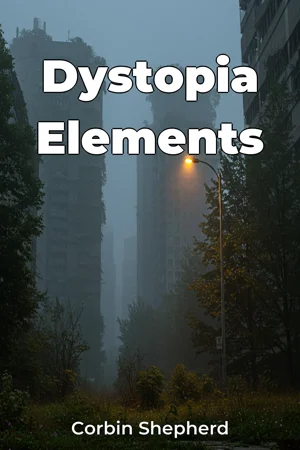
Why do we keep imagining the worst possible futures? "Dystopia Elements" explores the pervasive nature of dystopian themes in literature and film, arguing that these narratives function as crucial societal warnings, reflecting and amplifying our deepest anxieties about the present and potential future. This book delves into how dystopian fiction, far from being mere entertainment, serves as a vital form of social and political commentary. We will examine the core elements that define the dystopian genre, analyzing how these elements are used to critique existing power structures, social norms, and technological advancements. Key topics will include the erosion of individual freedoms, the dangers of unchecked technological control, and the consequences of environmental degradation. These topics are crucial because they not only illuminate potential pitfalls in our current trajectory but also empower us to engage in critical reflection and proactive change. Understanding dystopian literature requires acknowledging its historical roots. From early examples like "We" by Yevgeny Zamyatin and "Brave New World" by Aldous Huxley, dystopian narratives have consistently emerged during periods of significant social and political upheaval. The book provides context by exploring how specific historical events and societal anxieties have shaped the genre's evolution. The reader should have a basic understanding of 20th and 21st-century history and political ideologies. The central argument of "Dystopia Elements" posits that dystopian fiction is not simply predictive but, more importantly, prescriptive. By exaggerating existing trends and exploring their potential consequences, these narratives offer a cautionary roadmap, urging us to avoid paths that lead to oppressive or dehumanizing futures. This argument is significant because it moves beyond a purely academic analysis of the genre, emphasizing its practical relevance to contemporary social and political discourse. The book is structured around several key areas: the introductory chapter defines the characteristics of dystopian fiction and establishes the theoretical framework. The following chapters then dissect specific dystopian themes, such as governmental control, environmental collapse, and technological dependence, with each chapter examining how these themes manifest across various texts and films. The concluding chapter synthesizes the analysis and explores the potential of dystopian narratives to inspire positive social change. The analysis will be supported by textual evidence from a wide range of dystopian works, including novels, films, and graphic novels. We will also draw on sociological and political theories to provide a deeper understanding of the social forces at play. The book uses comparative analysis, examining how different dystopian works address similar themes in unique ways, and offers new interpretations of classic dystopian texts by re-examining them through a contemporary lens. "Dystopia Elements" connects to several other disciplines, including sociology, political science, and environmental studies. These interdisciplinary connections enrich the analysis by providing multiple perspectives on the complex issues raised by dystopian fiction. We can also connect to psychology, understanding the human condition as it relates to societal stressors. This book offers a unique perspective by focusing on the pragmatic function of dystopian fiction. Rather than simply viewing these narratives as works of art, it examines them as potential catalysts for social and political action. The writing style is academic but accessible, aiming to engage both scholars and general readers interested in the genre. The target audience includes students and scholars of literature, film, social science, and political science, as well as general readers interested in dystopian fiction and its social implications. This book would be valuable to them because it provides a comprehensive and insightful analysis of the genre's enduring relevance. As a work of scholarly non-fiction, "Dystopia Elements" adheres to rigorous standards of research and argumentation, providing a well-supported and thoroughly documented analysis. While the book covers a broad range of dystopian themes and texts, it is limited by its focus on Western dystopian narratives. It does not delve deeply into dystopian works from other cultures, which could provide additional perspectives on the genre. The book offers practical applications by encouraging readers to critically examine their own societies and engage in informed political action. The book addresses ongoing debates about the role of technology in society, the limits of governmental power, and the balance between individual freedom and collective security. These are all areas of active discussion and disagreement, and "Dystopia Elements" aims to contribute to these conversations by providing a nuanced and informed perspective.
Why do we keep imagining the worst possible futures? "Dystopia Elements" explores the pervasive nature of dystopian themes in literature and film, arguing that these narratives function as crucial societal warnings, reflecting and amplifying our deepest anxieties about the present and potential future. This book delves into how dystopian fiction, far from being mere entertainment, serves as a vital form of social and political commentary. We will examine the core elements that define the dystopian genre, analyzing how these elements are used to critique existing power structures, social norms, and technological advancements. Key topics will include the erosion of individual freedoms, the dangers of unchecked technological control, and the consequences of environmental degradation. These topics are crucial because they not only illuminate potential pitfalls in our current trajectory but also empower us to engage in critical reflection and proactive change. Understanding dystopian literature requires acknowledging its historical roots. From early examples like "We" by Yevgeny Zamyatin and "Brave New World" by Aldous Huxley, dystopian narratives have consistently emerged during periods of significant social and political upheaval. The book provides context by exploring how specific historical events and societal anxieties have shaped the genre's evolution. The reader should have a basic understanding of 20th and 21st-century history and political ideologies. The central argument of "Dystopia Elements" posits that dystopian fiction is not simply predictive but, more importantly, prescriptive. By exaggerating existing trends and exploring their potential consequences, these narratives offer a cautionary roadmap, urging us to avoid paths that lead to oppressive or dehumanizing futures. This argument is significant because it moves beyond a purely academic analysis of the genre, emphasizing its practical relevance to contemporary social and political discourse. The book is structured around several key areas: the introductory chapter defines the characteristics of dystopian fiction and establishes the theoretical framework. The following chapters then dissect specific dystopian themes, such as governmental control, environmental collapse, and technological dependence, with each chapter examining how these themes manifest across various texts and films. The concluding chapter synthesizes the analysis and explores the potential of dystopian narratives to inspire positive social change. The analysis will be supported by textual evidence from a wide range of dystopian works, including novels, films, and graphic novels. We will also draw on sociological and political theories to provide a deeper understanding of the social forces at play. The book uses comparative analysis, examining how different dystopian works address similar themes in unique ways, and offers new interpretations of classic dystopian texts by re-examining them through a contemporary lens. "Dystopia Elements" connects to several other disciplines, including sociology, political science, and environmental studies. These interdisciplinary connections enrich the analysis by providing multiple perspectives on the complex issues raised by dystopian fiction. We can also connect to psychology, understanding the human condition as it relates to societal stressors. This book offers a unique perspective by focusing on the pragmatic function of dystopian fiction. Rather than simply viewing these narratives as works of art, it examines them as potential catalysts for social and political action. The writing style is academic but accessible, aiming to engage both scholars and general readers interested in the genre. The target audience includes students and scholars of literature, film, social science, and political science, as well as general readers interested in dystopian fiction and its social implications. This book would be valuable to them because it provides a comprehensive and insightful analysis of the genre's enduring relevance. As a work of scholarly non-fiction, "Dystopia Elements" adheres to rigorous standards of research and argumentation, providing a well-supported and thoroughly documented analysis. While the book covers a broad range of dystopian themes and texts, it is limited by its focus on Western dystopian narratives. It does not delve deeply into dystopian works from other cultures, which could provide additional perspectives on the genre. The book offers practical applications by encouraging readers to critically examine their own societies and engage in informed political action. The book addresses ongoing debates about the role of technology in society, the limits of governmental power, and the balance between individual freedom and collective security. These are all areas of active discussion and disagreement, and "Dystopia Elements" aims to contribute to these conversations by providing a nuanced and informed perspective.
"Dystopia Elements" explores how dystopian fiction serves as social and political commentary, reflecting anxieties about governmental control, technological dominance, and environmental degradation. These narratives aren't just entertainment; they dissect existing power structures and social norms, offering warnings about potential futures. For example, the erosion of individual freedoms and the dangers of unchecked technology are frequently highlighted, urging critical reflection. The book argues that dystopian fiction is prescriptive, not just predictive. By exaggerating current trends, these stories provide a roadmap, cautioning against oppressive paths. Beginning with an introduction to dystopian characteristics, the book progresses through chapters dissecting specific themes like environmental collapse and technological dependence, using examples from novels, films, and graphic novels. This approach offers readers a unique perspective on how these narratives can inspire social change.
Book Details
ISBN
9788235256577
Publisher
Publifye AS
Your Licenses
You don't own any licenses for this book
Purchase a license below to unlock this book and download the EPUB.
Purchase License
Select a tier to unlock this book
Need bulk licensing?
Contact us for enterprise agreements.