
About This Book
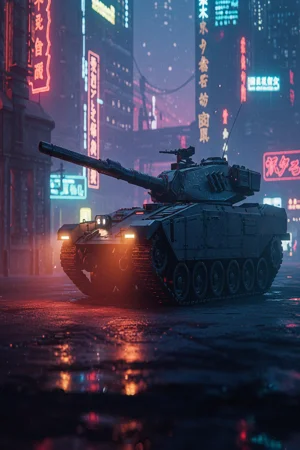
How have fictional combat vehicles influenced real-world military technology and tactics? "Weaponized Vehicles" explores the fascinating intersection of imagination and innovation in the realm of armed conflict, specifically focusing on the depiction and impact of tanks, mechs, and other advanced combat platforms in manga. This book examines how these fictional vehicles, often originating from the pages of Japanese comics, have both reflected and shaped the development of military technology and strategic thinking. The core of this exploration rests on three key pillars: the technological evolution of combat vehicles as portrayed in manga, the socio-cultural context influencing these portrayals, and the tangible impact of fictional designs on real-world military concepts. Understanding these elements is crucial for appreciating the complex relationship between art, technology, and warfare. To fully grasp the book's arguments, readers should have a basic understanding of military history, technological principles, and some familiarity with manga as a cultural medium. However, the book avoids being overly technical, ensuring accessibility for a broad audience interested in the topic. This book argues that manga has served as a unique cultural laboratory for exploring the potential of combat vehicles, often anticipating technological advancements and influencing military thinking in unexpected ways. It challenges the notion that military innovation is solely driven by practical needs and argues for the significant role of cultural imagination. The book is structured to guide the reader through a logical progression of ideas, beginning with an overview of the history of combat vehicles in both real life and manga. It then delves into specific examples, analyzing the technological features, tactical doctrines, and cultural symbolism associated with tanks, mechs, and other advanced platforms in various manga series. Major sections will examine the evolution of tanks from their initial depiction as unstoppable behemoths to more nuanced portrayals as vulnerable yet crucial assets. The rise of mechs as symbols of technological prowess and individual heroism will also be explored, along with their implications for future warfare. The book culminates by examining the practical implications of these fictional vehicles, including their influence on military simulations, design concepts, and strategic planning. The analysis is supported by a wide range of sources, including military history documents, technological specifications, manga artwork, academic studies, and interviews with defense experts. The book also draws on primary source materials such as translated manga and related media to provide firsthand insights into the creative processes and intended messages of the artists and writers involved. "Weaponized Vehicles" connects to several interdisciplinary fields, including military history, media studies, and technological innovation. By examining the cultural influence of manga on military thinking, the book offers new perspectives on the interplay between art, technology, and warfare that extends beyond the specific context of Japan or manga itself. It additionally touches on the sociology of technology, focusing on how cultural perceptions shape the development and adoption of new military technologies. The book also connects to the field of design and engineering, analyzing how fictional designs can inspire innovative approaches to real-world challenges. The book adopts a balanced tone, presenting information with academic rigor while maintaining an engaging and accessible style. It avoids biased interpretations and strives to offer a nuanced understanding of the complex relationship between fictional combat vehicles and real-world military applications. The target audience includes military enthusiasts, manga aficionados, students of military history and technology, and anyone interested in the intersection of culture, technology, and warfare. The book offers valuable insights for those seeking to understand the complex dynamics of military innovation and the role of cultural imagination in shaping the future of armed conflict. As a work of non-fiction, "Weaponized Vehicles" adheres to rigorous standards of accuracy and objectivity. All claims are supported by cited evidence, and the book undergoes thorough fact-checking to ensure the reliability of its information. The book's scope is limited to the examination of weaponized vehicle concepts as depicted in manga and their potential influence on military thinking. It does not delve into broader discussions of war, ethics, or weapons technology. Readers can apply the insights from "Weaponized Vehicles" to a variety of contexts, including understanding the cultural dimensions of military technology, analyzing the potential of emerging technologies, and anticipating future trends in warfare. The book addresses ongoing debates about the role of technology in warfare and the potential for cultural narratives to shape military strategies. It confronts assumptions about the purely rational nature of military innovation and argues for the importance of considering cultural factors in understanding the development and adoption of new technologies.
How have fictional combat vehicles influenced real-world military technology and tactics? "Weaponized Vehicles" explores the fascinating intersection of imagination and innovation in the realm of armed conflict, specifically focusing on the depiction and impact of tanks, mechs, and other advanced combat platforms in manga. This book examines how these fictional vehicles, often originating from the pages of Japanese comics, have both reflected and shaped the development of military technology and strategic thinking. The core of this exploration rests on three key pillars: the technological evolution of combat vehicles as portrayed in manga, the socio-cultural context influencing these portrayals, and the tangible impact of fictional designs on real-world military concepts. Understanding these elements is crucial for appreciating the complex relationship between art, technology, and warfare. To fully grasp the book's arguments, readers should have a basic understanding of military history, technological principles, and some familiarity with manga as a cultural medium. However, the book avoids being overly technical, ensuring accessibility for a broad audience interested in the topic. This book argues that manga has served as a unique cultural laboratory for exploring the potential of combat vehicles, often anticipating technological advancements and influencing military thinking in unexpected ways. It challenges the notion that military innovation is solely driven by practical needs and argues for the significant role of cultural imagination. The book is structured to guide the reader through a logical progression of ideas, beginning with an overview of the history of combat vehicles in both real life and manga. It then delves into specific examples, analyzing the technological features, tactical doctrines, and cultural symbolism associated with tanks, mechs, and other advanced platforms in various manga series. Major sections will examine the evolution of tanks from their initial depiction as unstoppable behemoths to more nuanced portrayals as vulnerable yet crucial assets. The rise of mechs as symbols of technological prowess and individual heroism will also be explored, along with their implications for future warfare. The book culminates by examining the practical implications of these fictional vehicles, including their influence on military simulations, design concepts, and strategic planning. The analysis is supported by a wide range of sources, including military history documents, technological specifications, manga artwork, academic studies, and interviews with defense experts. The book also draws on primary source materials such as translated manga and related media to provide firsthand insights into the creative processes and intended messages of the artists and writers involved. "Weaponized Vehicles" connects to several interdisciplinary fields, including military history, media studies, and technological innovation. By examining the cultural influence of manga on military thinking, the book offers new perspectives on the interplay between art, technology, and warfare that extends beyond the specific context of Japan or manga itself. It additionally touches on the sociology of technology, focusing on how cultural perceptions shape the development and adoption of new military technologies. The book also connects to the field of design and engineering, analyzing how fictional designs can inspire innovative approaches to real-world challenges. The book adopts a balanced tone, presenting information with academic rigor while maintaining an engaging and accessible style. It avoids biased interpretations and strives to offer a nuanced understanding of the complex relationship between fictional combat vehicles and real-world military applications. The target audience includes military enthusiasts, manga aficionados, students of military history and technology, and anyone interested in the intersection of culture, technology, and warfare. The book offers valuable insights for those seeking to understand the complex dynamics of military innovation and the role of cultural imagination in shaping the future of armed conflict. As a work of non-fiction, "Weaponized Vehicles" adheres to rigorous standards of accuracy and objectivity. All claims are supported by cited evidence, and the book undergoes thorough fact-checking to ensure the reliability of its information. The book's scope is limited to the examination of weaponized vehicle concepts as depicted in manga and their potential influence on military thinking. It does not delve into broader discussions of war, ethics, or weapons technology. Readers can apply the insights from "Weaponized Vehicles" to a variety of contexts, including understanding the cultural dimensions of military technology, analyzing the potential of emerging technologies, and anticipating future trends in warfare. The book addresses ongoing debates about the role of technology in warfare and the potential for cultural narratives to shape military strategies. It confronts assumptions about the purely rational nature of military innovation and argues for the importance of considering cultural factors in understanding the development and adoption of new technologies.
"Weaponized Vehicles" explores the surprising influence of Japanese manga on real-world military technology and strategic thinking. It delves into how fictional depictions of tanks, mechs, and other advanced combat vehicles have shaped, and been shaped by, military innovation. Surprisingly, manga often anticipates technological advancements, serving as a cultural laboratory for exploring the potential of combat vehicles. The book examines how these fictional designs have affected military simulations, design concepts, and even strategic planning. The book progresses by first providing an overview of combat vehicles in both real life and manga. It then explores specific examples, analyzing technological features, tactical doctrines, and cultural symbolism. Ultimately, this book offers a unique perspective on the interplay of art, technology, and warfare, challenging the idea that military innovation is solely driven by practical needs. It argues for the significant role of cultural imagination in shaping the future of armed conflict.
Book Details
ISBN
9788235256515
Publisher
Publifye AS
Your Licenses
You don't own any licenses for this book
Purchase a license below to unlock this book and download the EPUB.
Purchase License
Select a tier to unlock this book
Need bulk licensing?
Contact us for enterprise agreements.