
About This Book
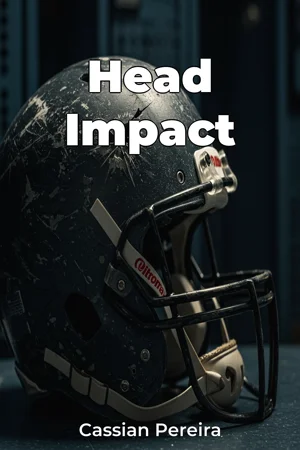
Could repeated blows to the head, seemingly minor at the time, be silently eroding your cognitive future? "Head Impact" delves into the complex and often devastating consequences of repeated head trauma, a concern that extends far beyond professional athletes to anyone engaged in contact sports or activities. We explore the intricate link between these impacts and the onset of debilitating neurological disorders, while also examining current and potential protective measures. This book primarily addresses two critical topics: the pathophysiology of head injuries, emphasizing the cumulative effects of subconcussive impacts, and the long-term neurological risks associated with these injuries. Understanding precisely how repeated head trauma alters brain structure and function is paramount. Equally important is identifying the specific disorders, such as chronic traumatic encephalopathy (CTE), Parkinson's disease, and early-onset dementia, linked to these injuries, and assessing the risk factors that increase susceptibility. The discussion is framed by a historical overview of contact sports and evolving understanding of head injuries, along with a review of relevant biomechanical and medical research. Readers will benefit from a foundational knowledge of basic neuroanatomy and the mechanisms of brain injury. The central argument of "Head Impact" is that the cumulative effect of head impacts, even those not resulting in immediate concussion symptoms, poses a significant and often underestimated threat to long-term neurological health. Reframing the narrative surrounding head injuries, shifting from a focus solely on concussion management to prioritizing cumulative impact prevention, is essential for protecting individuals participating in activities with inherent head impact risk. The book is structured logically, beginning with an introduction to the basic science of head trauma and its immediate and delayed effects on the brain. We then progress to detailed analyses of specific neurological disorders linked to repeated head impacts, exploring the pathological mechanisms and diagnostic challenges associated with each. A significant portion of the book is dedicated to preventive measures, including advancements in helmet technology, rule changes in sports, and strategies for mitigating exposure to head impacts during training and competition. Culminating this, we explore the ethical implications of participation in contact sports considering the knowledge of long-term risks. The evidence presented draws from a wide range of sources, including clinical studies, neuropathological analyses of brain tissue, biomechanical modeling of head impacts, and epidemiological data on the prevalence of neurological disorders in at-risk populations. We emphasize rigorous research methodologies and highlight the limitations of current scientific understanding. "Head Impact" also connects to other fields such as sports medicine, biomechanics, and public health. The insights gained from these fields enhance the understanding of injury mechanisms, inform the development of protective equipment, and guide the implementation of effective prevention strategies. Furthermore, this book touches on the legal and ethical considerations surrounding informed consent and liability in contact sports. The book offers a unique perspective by integrating medical science and practical applications, providing a comprehensive analysis of head impact injuries that is both scientifically rigorous and accessible to a broad audience. We address controversies within the field head-on, such as the ongoing debate regarding the diagnostic criteria for CTE and the relative effectiveness of various preventive measures. Written in a professional and accessible style, "Head Impact" is designed for athletes, coaches, parents, healthcare professionals, and anyone with an interest in understanding the risks associated with head impacts. It serves as a valuable resource for making informed decisions about participation in contact sports and implementing effective strategies for protecting brain health. The book aims to be comprehensive, but focuses primarily on research relating directly to sports-related head trauma, acknowledging the influence of other factors on neurological health. Readers will learn practical steps they can take to minimize their risk of long-term neurological damage.
Could repeated blows to the head, seemingly minor at the time, be silently eroding your cognitive future? "Head Impact" delves into the complex and often devastating consequences of repeated head trauma, a concern that extends far beyond professional athletes to anyone engaged in contact sports or activities. We explore the intricate link between these impacts and the onset of debilitating neurological disorders, while also examining current and potential protective measures. This book primarily addresses two critical topics: the pathophysiology of head injuries, emphasizing the cumulative effects of subconcussive impacts, and the long-term neurological risks associated with these injuries. Understanding precisely how repeated head trauma alters brain structure and function is paramount. Equally important is identifying the specific disorders, such as chronic traumatic encephalopathy (CTE), Parkinson's disease, and early-onset dementia, linked to these injuries, and assessing the risk factors that increase susceptibility. The discussion is framed by a historical overview of contact sports and evolving understanding of head injuries, along with a review of relevant biomechanical and medical research. Readers will benefit from a foundational knowledge of basic neuroanatomy and the mechanisms of brain injury. The central argument of "Head Impact" is that the cumulative effect of head impacts, even those not resulting in immediate concussion symptoms, poses a significant and often underestimated threat to long-term neurological health. Reframing the narrative surrounding head injuries, shifting from a focus solely on concussion management to prioritizing cumulative impact prevention, is essential for protecting individuals participating in activities with inherent head impact risk. The book is structured logically, beginning with an introduction to the basic science of head trauma and its immediate and delayed effects on the brain. We then progress to detailed analyses of specific neurological disorders linked to repeated head impacts, exploring the pathological mechanisms and diagnostic challenges associated with each. A significant portion of the book is dedicated to preventive measures, including advancements in helmet technology, rule changes in sports, and strategies for mitigating exposure to head impacts during training and competition. Culminating this, we explore the ethical implications of participation in contact sports considering the knowledge of long-term risks. The evidence presented draws from a wide range of sources, including clinical studies, neuropathological analyses of brain tissue, biomechanical modeling of head impacts, and epidemiological data on the prevalence of neurological disorders in at-risk populations. We emphasize rigorous research methodologies and highlight the limitations of current scientific understanding. "Head Impact" also connects to other fields such as sports medicine, biomechanics, and public health. The insights gained from these fields enhance the understanding of injury mechanisms, inform the development of protective equipment, and guide the implementation of effective prevention strategies. Furthermore, this book touches on the legal and ethical considerations surrounding informed consent and liability in contact sports. The book offers a unique perspective by integrating medical science and practical applications, providing a comprehensive analysis of head impact injuries that is both scientifically rigorous and accessible to a broad audience. We address controversies within the field head-on, such as the ongoing debate regarding the diagnostic criteria for CTE and the relative effectiveness of various preventive measures. Written in a professional and accessible style, "Head Impact" is designed for athletes, coaches, parents, healthcare professionals, and anyone with an interest in understanding the risks associated with head impacts. It serves as a valuable resource for making informed decisions about participation in contact sports and implementing effective strategies for protecting brain health. The book aims to be comprehensive, but focuses primarily on research relating directly to sports-related head trauma, acknowledging the influence of other factors on neurological health. Readers will learn practical steps they can take to minimize their risk of long-term neurological damage.
"Head Impact" explores the serious consequences of repeated head trauma, extending beyond professional athletes to anyone in contact sports. It reveals how even seemingly minor blows can contribute to long-term neurological damage. The book highlights the link between these impacts and conditions like chronic traumatic encephalopathy (CTE), Parkinson's disease, and dementia, emphasizing that cumulative subconcussive impacts, not just concussions, pose a significant threat. The book starts with the basic science of head trauma, then analyzes specific neurological disorders linked to repeated impacts, and presents preventive measures, including helmet technology and rule changes in sports. It draws from clinical studies, neuropathological analyses, and biomechanical modeling to provide a comprehensive view. One intriguing fact is that the cumulative effect of numerous small head impacts may be more damaging than single, severe concussions. This book uniquely integrates medical science with practical applications, written in an accessible style for a broad audience, including athletes, coaches, and healthcare professionals. It shifts the narrative to prioritize cumulative impact prevention, providing valuable insights for making informed decisions about participation in contact sports and protecting brain health.
Book Details
ISBN
9788235256508
Publisher
Publifye AS
Your Licenses
You don't own any licenses for this book
Purchase a license below to unlock this book and download the EPUB.
Purchase License
Select a tier to unlock this book
Need bulk licensing?
Contact us for enterprise agreements.